The morning air in Bangkok does not cool down. It settles. It presses against the skin with the weight of a wet wool blanket, carrying the sharp scent of charcoal smoke from a roadside vendor frying pork skewers and the underlying, exhaust-choked pulse of thousands of motorbikes weaving through dawn traffic.
For Somchai, the day starts before the sun clears the concrete frame of the apartment block where three generations share a single room. He rinses his face with water from a plastic bucket, slips on a pair of rubber sandals worn paper-thin at the heel, and walks down four flights of stairs to his taxi. He is fifty-two years old. His lower back aches with a familiar, dull persistence—a souvenir from twenty years of driving twelve hours a day.
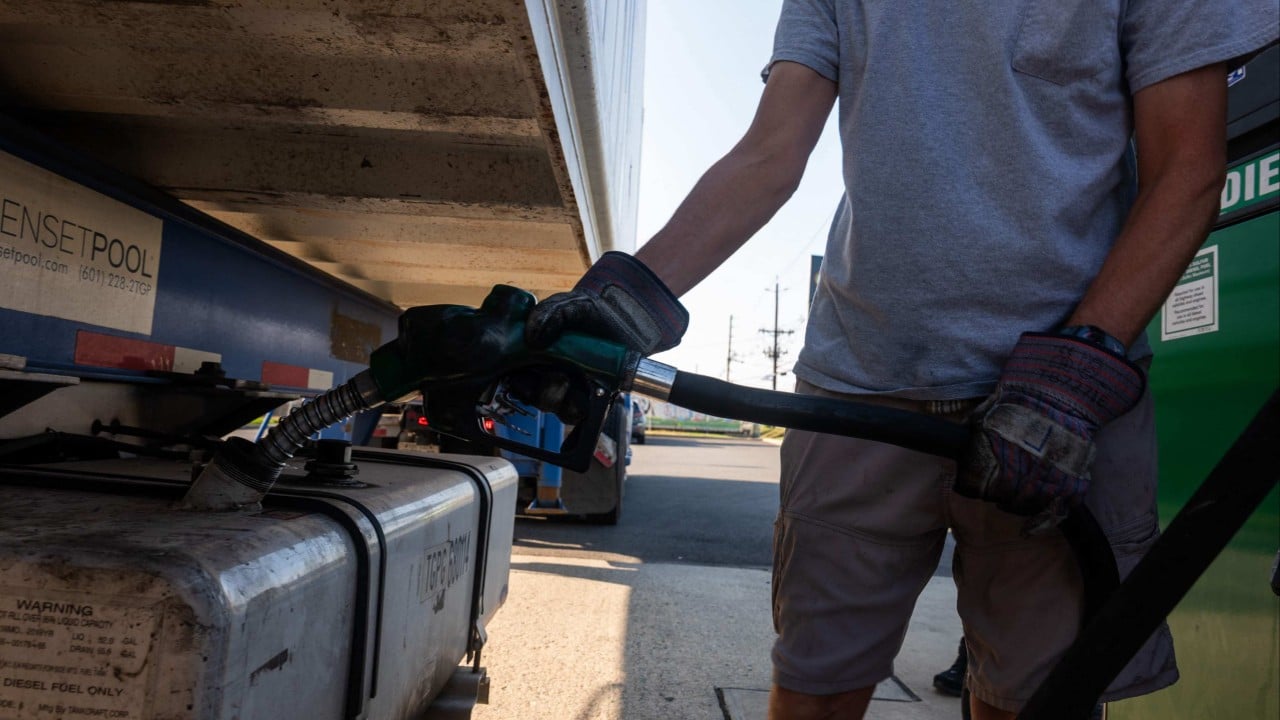
Somchai does not read financial journals. He does not know what a sovereign debt restructuring looks like on a Bloomberg terminal in New York or Frankfurt. But he knows that last year, a tank of liquefied petroleum gas cost three hundred baht. Today, it costs four hundred and twenty. He knows that a bowl of boat noodles, once thirty baht, now stretches his pocketbook until the seams tear.
He is not poor on paper, not entirely. He earns enough to pay rent, buy rice, and send a small remittance to his mother in Ubon Ratchathani. Yet he lives on a razor's edge. One broken transmission, one sudden spike in electricity tariffs, and the fragile architecture of his family's survival collapses.
Then come the letters from afar.
Thousands of miles away, in conference rooms smelling of expensive coffee and stale ambition, economists look at numbers on a glowing screen. They tap their pens. They speak in measured tones about fiscal discipline, structural adjustment, and macroeconomic stability. They look at Thailand’s rising national debt ratio and shake their heads. They diagnose a fever and prescribe a cure that requires bleeding the patient.
The International Monetary Fund issues a call. It is framed in the sterile vocabulary of policy papers: austerity. Cut subsidies. Freeze public sector wages. Raise consumption taxes. Recalibrate spending to reassure foreign investors that the nation's ledger is pristine, predictable, and obedient.
To the technocrat, this is arithmetic. To Somchai, it is an eviction notice.
Consider what happens when a government kneels to balance its books by stripping away the cushions holding up the working poor. When diesel subsidies evaporate, the cost of transporting every head of cabbage, every sack of rice, and every commuter spikes instantly. When utility price caps are removed, the monthly bill for a cramped apartment becomes a choice between keeping the small refrigerator running or buying medicine for an aging parent.
Developing nations across the Global South have watched this script play out before. It is an old play with a tragic ending. From the streets of Bangkok to the neighborhoods of Nairobi and Buenos Aires, citizens bear the human toll of decisions made by people who will never walk down a soi in the midday heat, wiping sweat from their brows while calculating whether they can afford both dinner and electricity.
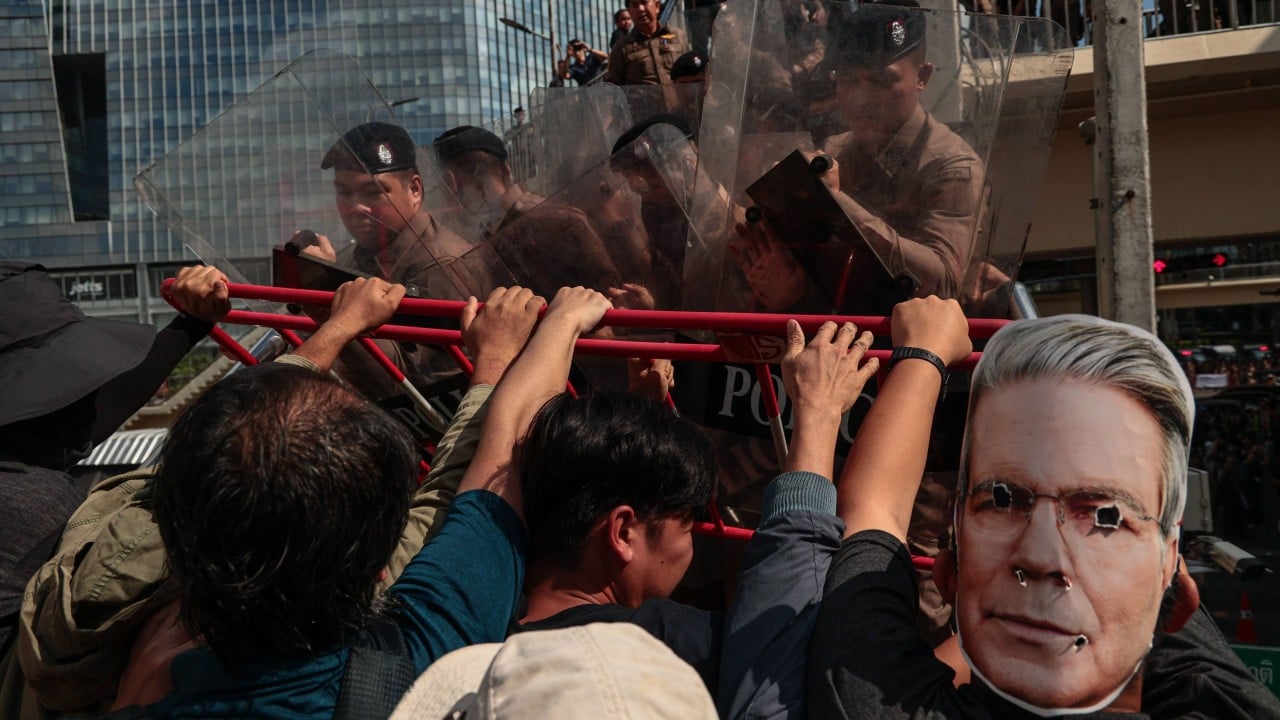
Protests erupt not because people hate math, but because they understand the math of their own daily survival better than any visiting consultant. When students, taxi drivers, street vendors, and factory workers march under the tropical sun, holding hand-painted signs demanding relief, they are shouting a simple truth: you cannot squeeze water from dry soil.
The arguments deployed by international financial institutions are seductive in their simplicity. They promise that short-term pain paves the way for long-term prosperity. They argue that tightening the belt now attracts foreign capital, stabilizes currencies, and prevents a catastrophic default.
Yet history tells a different story. Austerity measures implemented during economic stress frequently shrink the very economic activity they seek to stimulate. When the poorest citizens spend every single satang they earn just to stay alive, taking away their purchasing power destroys the domestic market. Businesses lose customers. Factories lay off workers. The tax base shrinks further, triggering another round of deeper cuts.
It is a downward spiral disguised as discipline.
Listen closely to the marketplace in Din Daeng. The vendors are not discussing debt-to-GDP ratios. They are discussing the price of eggs. A single mother named Mali, who spends twelve hours standing over a steaming vat of curry paste, explains it without jargon.
"They tell us we have to sacrifice," she says, gesturing toward the street where traffic crawls through a grey haze. "Who else is left to sacrifice? We gave our savings during the pandemic. We gave our energy to rebuild after the floods. Now they want our plates of rice, too."
Her voice is devoid of anger. It carries something heavier. Fatigue.
The disconnect between global financial governance and local reality is widening into a chasm. When institutions designed to foster global stability instead impose policies that fracture social cohesion, the legitimacy of those institutions begins to erode. People stop believing in the promises of tomorrow when today requires choosing which bill to leave unpaid.
There is an alternative, though it demands courage from leaders who prefer the easy applause of foreign creditors over the messy work of protecting their own people. It requires shifting the burden upward rather than downward. It means taxing accumulated wealth rather than daily consumption. It means restructuring debts in a way that prioritizes human dignity over credit ratings.
Somchai parks his taxi near Victory Monument as the afternoon heat peaks. The asphalt radiates a shimmering mirage. He cuts the engine to save a few drops of gas, rolling down the windows to catch whatever breeze might wander past.
He wipes his neck with a damp cloth, looks out at the endless stream of humanity rushing past his windshield, and waits for the next fare. He does not know if the policy papers thousands of miles away will change. He only knows that tomorrow, he will wake up before dawn, step out into the humid dark, and turn the key.