The notification arrives at 3:14 AM. It is a soft, generic ping, but in the blue glow of a smartphone screen, it carries the weight of an entire shifting industry. For a digital creator, that sound is oxygen. It represents a brief window where attention translates into rent money. But when that ping comes from a political campaign, the math changes. The currency is no longer just clicks or engagement metrics. It becomes power.
We live in an era where the traditional political battlefield—the paved roads of Iowa, the fluorescent-lit town halls, the millions poured into legacy television networks—has fractured. It has migrated into the palms of our hands, tucked neatly between makeup tutorials and cooking videos. This is the story of what happens when the Wild West of influencer marketing collides head-on with the rigid, decades-old framework of federal election law. It is a friction point that was entirely predictable, yet nobody seemed ready for the spark. For another view, read: this related article.
Consider the mechanics of a modern campaign. A billionaire candidate enters a crowded primary race, lagging in name recognition but possessing virtually limitless resources. The traditional playbook dictates buying up every available billboard and television slot. But the modern voter does not look at billboards, and their television is ad-free, streamed via a paid subscription. To reach them, you have to buy your way into their trusted circles. You have to buy the people they already follow.
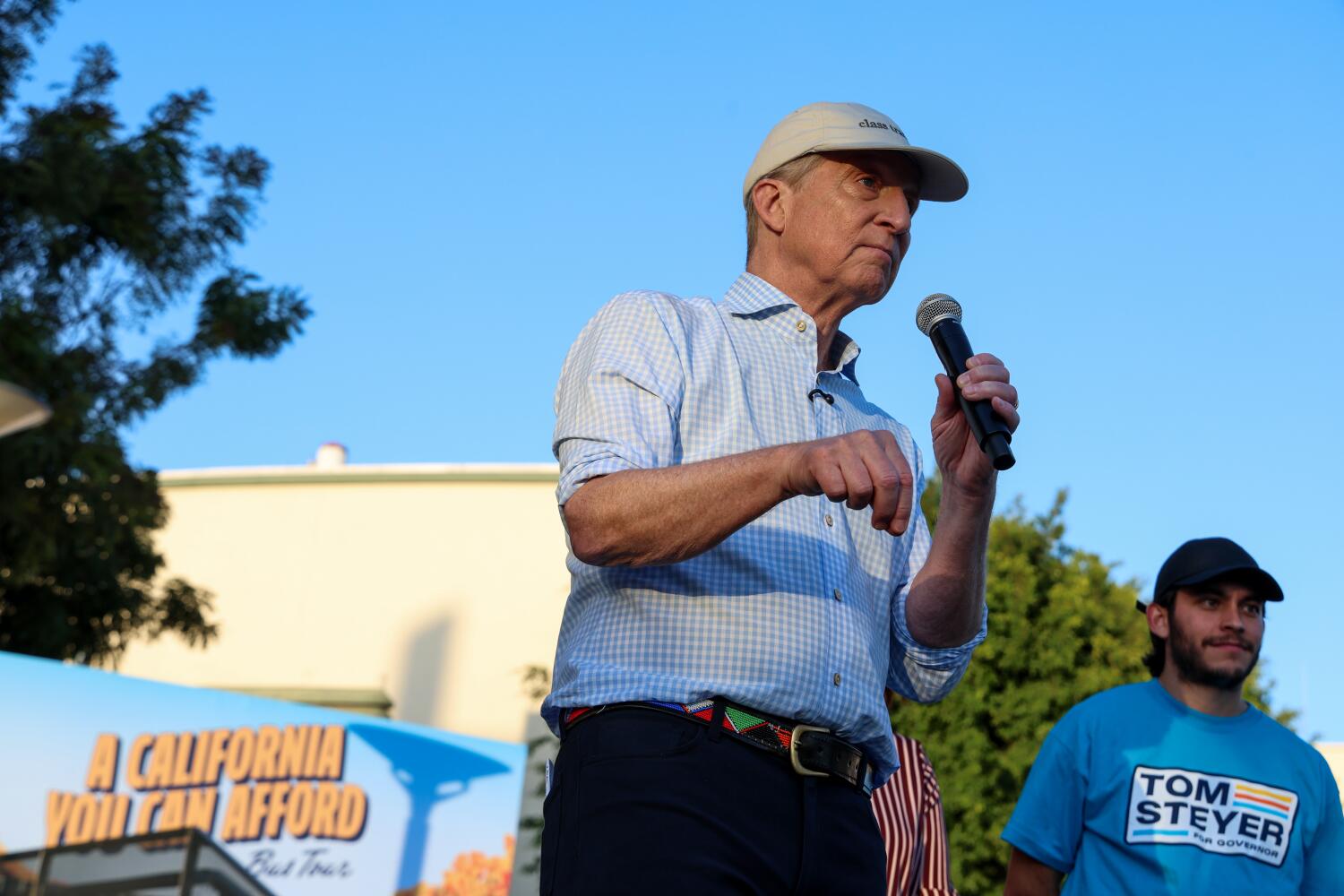
When South Carolina influencer Miller McLendon filed an official complaint with the Federal Election Commission against Tom Steyer’s 2020 presidential campaign, it was treated by many as a minor blurb in the political cycle. A localized dispute. A bureaucratic footnote. Related coverage regarding this has been shared by The New York Times.
It was actually a canary in the coal mine.
The Invisible Transaction
To understand the friction, you have to understand the specific anxiety of the modern content creator. Imagine standing in front of a mirror, adjusting your camera lighting, knowing that your ability to pay your bills next month depends entirely on maintaining an illusion of authenticity. Your followers do not view you as a corporation. They view you as a friend who gives good advice.
The Steyer campaign recognized this asset. According to the complaint, campaign representatives approached local influencers in South Carolina, offering financial compensation in exchange for positive coverage, event attendance, and social media promotion.
On the surface, this looks exactly like a standard brand deal. A beverage company pays a creator to hold a can of soda; a political campaign pays a creator to stand near a podium. Simple. Clean. Effective.
Except politics is never clean.
The Federal Election Campaign Act exists for a singular, vital reason: to ensure that the public knows exactly who is trying to influence their vote, and how much money is being spent to do it. When a traditional campaign buys a television ad, a stark black box appears at the bottom of the screen stating who authorized and paid for the message. It is a legal requirement designed to prevent secret manipulation.
But the internet thrives on the obfuscation of that very boundary. The entire appeal of influencer marketing relies on the message feeling organic. The moment a post feels like an ad, the magic evaporates. The user scrolls past.
McLendon’s complaint alleged that the campaign attempted to bypass these disclosure rules, seeking to buy influence without the messy baggage of official campaign finance reporting. The campaign denied wrongdoing, pointing to the chaotic, fast-moving nature of digital outreach. But the damage to the narrative was already done. The curtain had been pulled back, revealing a clumsy attempt to weaponize personal relationships for political gain.
The Language of the Deal
The conversations that happen behind the scenes of these arrangements are rarely conducted in the formal language of political science. They happen in direct messages and rushed emails.
"We love your vibe."
"We want to invite you to an exclusive VIP experience."
"Let's collaborate."
These are the euphemisms of the digital economy. They disguise a transactional reality that many young creators are ill-equipped to navigate. When a campaign offers a college student or a local cultural curator more money for a single weekend of work than they usually make in a month, the pressure is immense. The ethical lines begin to blur.
Let us trace a hypothetical scenario to see how this plays out on the ground.
A creator named Sarah has built an audience of fifty thousand people by talking about local art and community organizing in her hometown. She is trusted. A staffer from a well-funded national campaign reaches out. They don't want her to policy-monger; they just want her to attend a rally, take a few photos backstage, and talk about how "inspiring" the energy was. They offer her two thousand dollars.
Sarah needs to fix her car. She accepts. She posts the photos, uses the campaign's suggested hashtags, and collects her check.
But Sarah has just crossed a massive legal and ethical threshold. Under FEC regulations, that payment is an expenditure. It must be tracked, reported, and disclosed. More importantly, Sarah’s audience has just been subjected to paid political advertising disguised as a personal recommendation. If Sarah doesn't clearly label that post as a paid partnership, she is violating Federal Trade Commission guidelines. If the campaign doesn't report it properly, they are violating federal law.
The system breaks because the law is built for an analog world. The FEC was designed to monitor giant checks written to television syndicates, not hundreds of micro-transactions funneled through digital marketing agencies to twenties-something creators who don't know what a compliance officer is.
The Machinery of Scale
The scale of the operation is what separates modern digital campaigning from the old-school grassroots efforts. In past election cycles, volunteers knocked on doors out of pure conviction. They wore candidate buttons because they believed in the platform. They were compensated in cold pizza and the vague promise of a better future.
Now, belief can be outsourced.
During the period in question, the Steyer campaign was spending money at an unprecedented rate. Millions of dollars flowed into digital infrastructure. When you have that much capital, the temptation to treat human relationships as scalable commodities is overwhelming. If you can hire a thousand people to say they love your candidate, why bother doing the hard work of convincing them for free?
This approach creates a profound sense of disillusionment among voters. The internet was supposed to be a tool for democratization. It was supposed to give a voice to the voiceless, allowing regular citizens to bypass the corporate media gatekeepers and talk directly to one another. Instead, the gatekeepers simply adapted. They learned how to buy the platforms from the inside out.
The real tragedy of the influencer-industrial complex is the erosion of trust. Every time a creator accepts an undisclosed check from a political entity, they poison the well for everyone else. The next time a creator speaks passionately about an issue—whether it is climate change, local education, or healthcare—their audience is forced to wonder: Who paid for that opinion?
The Blurred Boundary of Law
The legal gray area is where campaigns find their leverage. The FEC has historically been slow to adapt to technology. By the time a regulatory body investigates a complaint, issues a ruling, or levies a fine, the election is long over. The candidate has either won or moved on. The fine becomes just another line-item cost of doing business.
This creates a perverse incentive structure. For a campaign with deep pockets, the risk of a regulatory slap on the wrist is vastly outweighed by the immediate reward of dominating the digital conversation during a crucial primary window.
But for the influencers caught in the middle, the stakes are different. They do not have legal teams on retainer. They do not have crisis management firms to clean up their reputations when a scandal breaks. If they are exposed as paid actors for a political machine, their brand—their sole livelihood—can vanish overnight.
The complaint filed in South Carolina highlighted a fundamental misunderstanding at the heart of modern political strategy. Campaigns often view influencers as billboards with faces. They fail to realize that an influencer's value lies entirely in their perceived independence. The moment you control the script, you destroy the asset you just bought.
The internet does not forget, and it rarely forgives a breach of authenticity.
The Silence After the Scroll
The sun comes up, and the feed refreshes. The political posts from last week are buried under a mountain of newer, shinier content. The campaign has packed up its tents, dismissed its field staff, and moved on to the next state, leaving behind a digital landscape that feels slightly colder, slightly more transactional than it did before.
We are left to navigate a world where the line between genuine civic engagement and corporate marketing has been entirely erased. Every scroll is a minefield of hidden motives. Every endorsement requires a mental calculation of potential financial arrangements.
The real cost of these campaign violations is not measured in the dollar amounts listed in FEC filings. It is measured in the quiet withdrawal of the voter who decides it is easier to stop caring than to figure out who is telling the truth. They close the app. They lock the screen. They look away from the light, retreating into a quiet skepticism that no amount of campaign capital can fix.