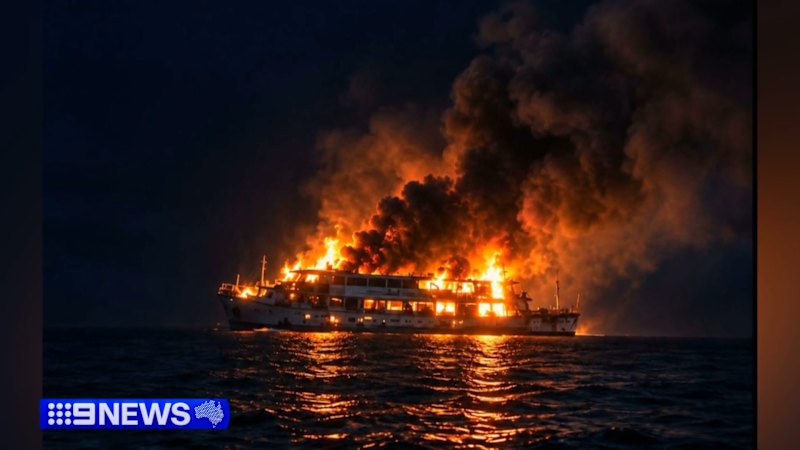
Five bodies pulled from blackened waters and dozens of souls still unaccounted for tell a grim, familiar story. When the passenger ferry MV June Aster caught fire off the coast of Palawan, it wasn't just a sudden tragedy—it was another painful reminder of a systemic maritime crisis. The vessel was carrying 134 people on a route from Manila to the tourist haven of Coron when flames tore through the structure just over two kilometers from the shoreline.
Coast guard units managed to pull 42 survivors from the sea, but at least 87 people remain missing, leaving desperate families refreshing local news threads and posting frantic photo appeals on social media. Survivors spoke of freezing hours spent floating in dark water, waiting for rescue boats that barely arrived in time. Preliminary interviews suggest the fire started in the cargo hold, a vulnerable zone on many inter-island vessels where mixed freight, fuel, and passenger luggage sit packed tightly together.
The Deadly Reality of Island Transit
Sea travel is an absolute necessity in an archipelago of over 7,000 islands. Millions of people rely on ferries because air transit is often too expensive or simply unavailable for smaller communities. But this heavy reliance comes at a steep price. Ferries frequently operate overloaded, and safety equipment like life jackets is sometimes ignored until disaster strikes.
Monsoons, typhoons, and rough seas make the routes treacherous even without onboard hazards. Yet, mechanical failures and sudden fires remain the most terrifying threat. When a blaze erupts miles from land, passengers have seconds to react. Thick smoke blinds escape routes, and panic spreads faster than the flames.
Accountability and the Search for Answers
Authorities are investigating the exact cause of the MV June Aster disaster, but investigations rarely change the underlying economics of island transport. Boat operators face immense pressure to keep moving cargo and passengers on tight schedules. Regulatory enforcement varies wildly between major ports and smaller regional terminals, creating loopholes that unsafe vessels slip right through.
Families are left mourning relatives who only wanted to travel home or attend family gatherings. Until strict safety mandates, mandatory crew training, and rigorous pre-departure cargo inspections are treated as non-negotiable baselines rather than optional guidelines, these tragedies will keep repeating across the islands.