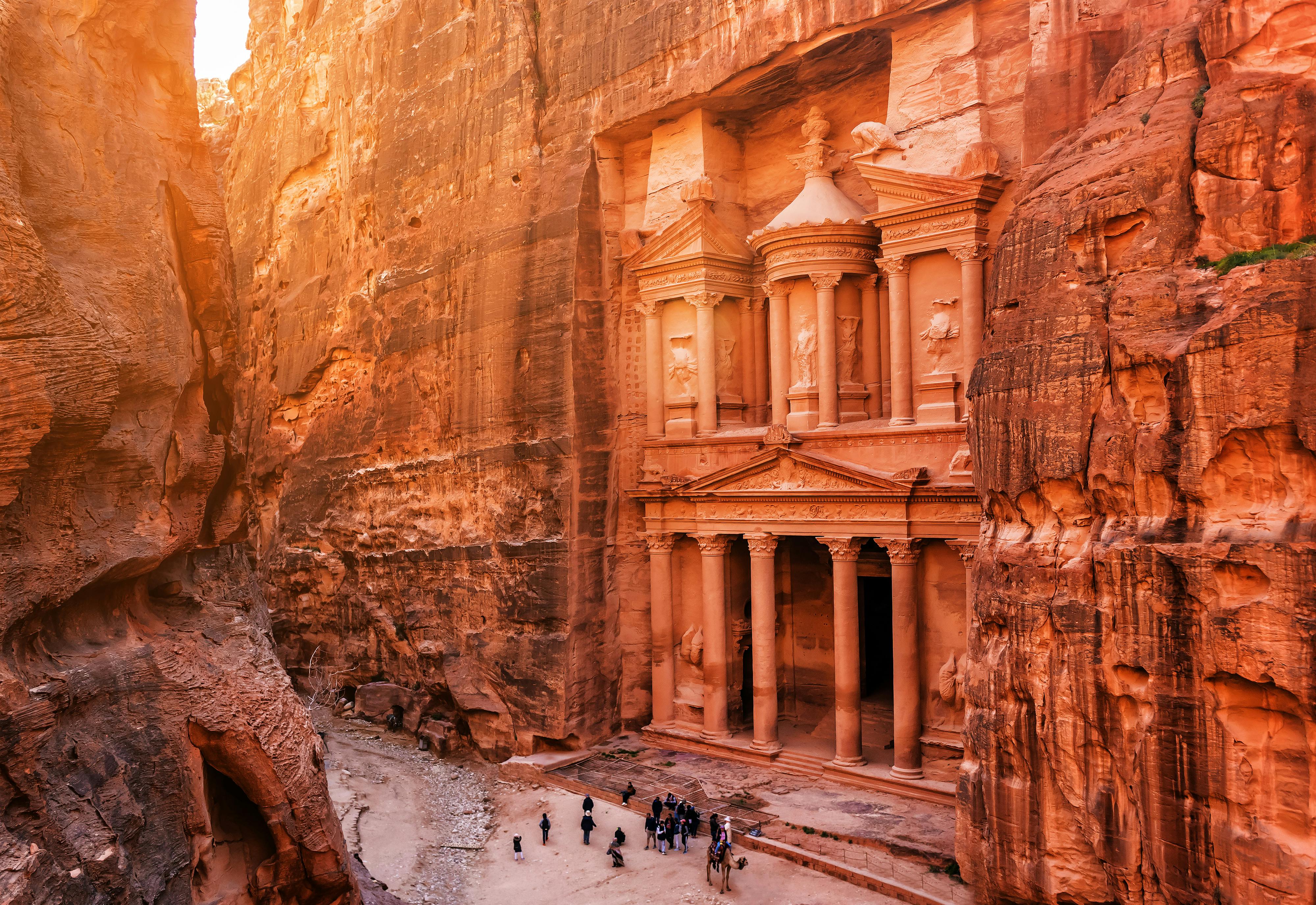
The headlines are bleeding. Every major outlet is currently obsessed with the "ghost town" of Petra, painting a picture of a crumbling economy and a desolate Wonder of the World. They blame the regional volatility, the shadow of conflict, and the hesitancy of the Western traveler. They want you to feel a specific cocktail of pity for the locals and fear for your own safety.
They are wrong.
The narrative that Petra is a victim of regional instability is a surface-level take for lazy analysts. If you actually look at the mechanics of global tourism, Petra isn't dying; it is undergoing a much-needed correction. The "empty" streets of the Siq aren't a tragedy—they are the most significant opportunity for a sophisticated traveler in the last thirty years.
The Overcrowding Myth
For a decade, Petra was being loved to death. We saw record-breaking numbers in 2019, with over a million visitors cramming into a sandstone canyon that was never meant to handle the foot traffic of a Disney theme park. The "economic boom" everyone is mourning was actually a structural nightmare. It led to price gouging, the degradation of the monuments, and a visitor experience that felt more like a subway commute than a historical pilgrimage.
When the media laments the "loss" of tourism, they are really lamenting the loss of high-volume, low-value mass tourism. The type of travel where people hop off a bus, take a selfie at the Treasury, and leave without spending a dime in the local economy beyond a cheap magnet.
The current dip is a pressure release valve. It is a reset.
The Safety Delusion
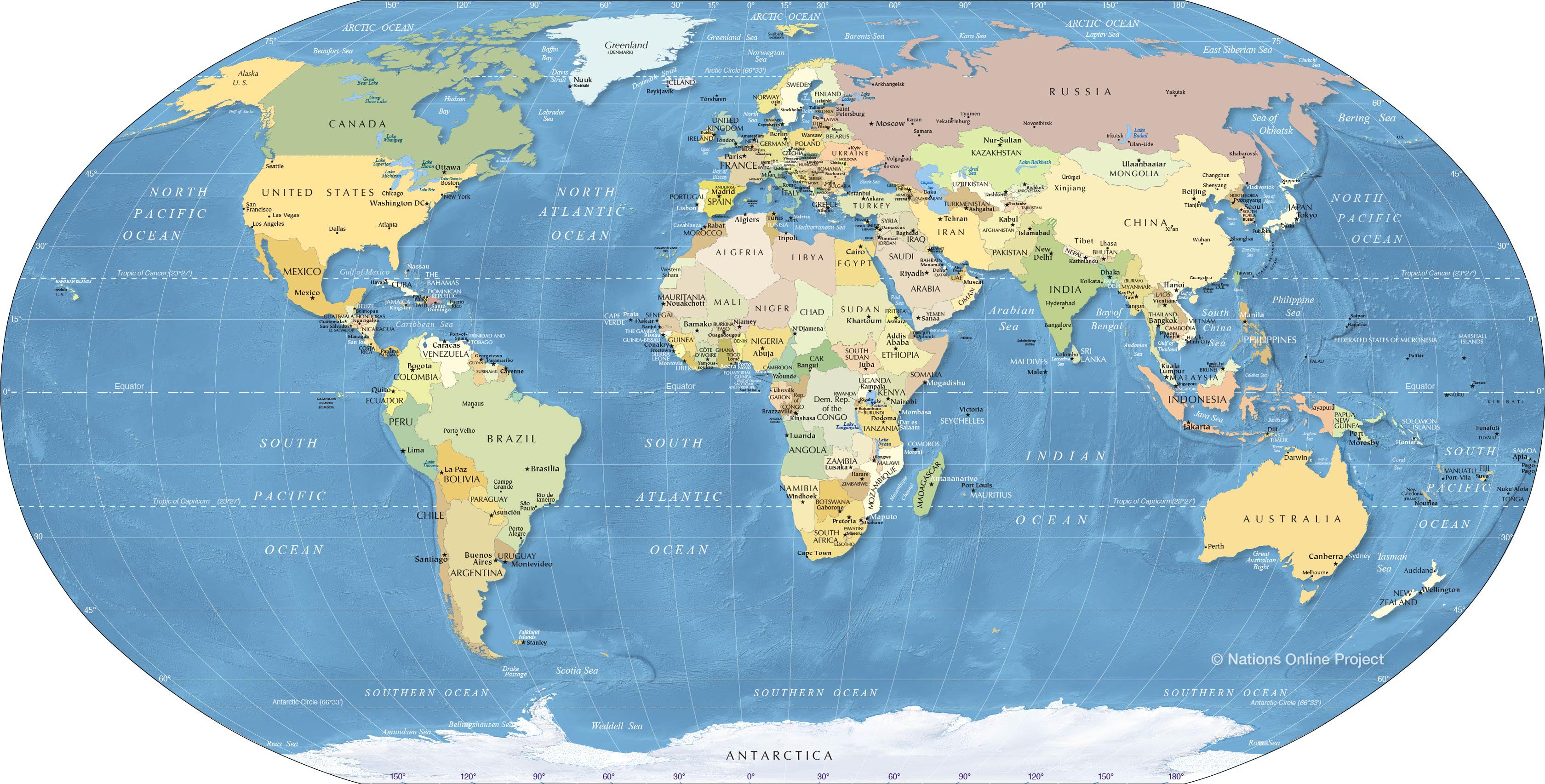
Let's talk about the map. Westerners have a peculiar habit of treating the Middle East as a single, monolithic room. If a fire starts in one corner, they assume the whole house is ashes. Jordan, however, has spent decades perfecting the art of being the "quiet house in a noisy neighborhood."
The borders are tight. The security apparatus is world-class. To suggest that Petra is "dangerous" because of conflicts miles away is like saying you shouldn't visit London because there is unrest in Ukraine. It’s geographically illiterate.
The people staying away right now aren't "playing it safe." They are falling for a lack of nuance. While they wait for a "perfect" peace that hasn't existed in the Levant for four thousand years, the savvy traveler is currently standing in front of the Monastery with zero other people in the frame.
The Economics of the "Void"
Critics point to the empty hotels in Wadi Musa as proof of a total collapse. I’ve seen this before in post-2011 Egypt and post-2016 Turkey. The industry screams because the easy money—the massive tour groups—has evaporated.
But look closer at the businesses that are actually surviving. It isn't the generic buffet halls. It’s the high-end boutique experiences and the deep-dive cultural guides who are finally getting time to breathe.
When volume drops, quality must rise. In a crowded Petra, you are a number. In a quiet Petra, you are a guest. The shift from a quantity-based economy to a quality-based one is painful, but it's the only way Jordan survives as a premium destination. The "ghost town" narrative ignores the fact that the locals who have been there for generations aren't going anywhere. They are waiting for the tourists who actually care about the history, not just the check-mark on a bucket list.
Why You Should Go Now (And Why You Won't)
You won't go because you’re waiting for the "all clear" from a government travel advisory that is designed to be over-cautious to avoid liability. You won't go because you’re worried about the ethics of "disaster tourism."
Get over yourself.
Spending money in Jordan right now is the most ethical thing a traveler can do. It keeps the lights on in the museums. It keeps the archeologists working on the sites that are still buried under the sand. It ensures that the Bedouin families who rely on this trade don't have to sell off their heritage to survive.
If you wait until the headlines say "It's Safe To Return," you will be walking shoulder-to-shoulder with 10,000 other people. You will pay double for a mediocre hotel room. You will see the Treasury through a forest of selfie sticks.
The Counter-Intuitive Truth
The best time to see the world's greatest wonders is when the world is too afraid to look at them.
The "crisis" in Petra is a marketing failure, not a security one. The site is intact. The tea is hot. The history is still there, vibrating in the red rock.
Stop reading the doom-scrolling reports written by people who haven't left their desks in London or New York. The Siq is waiting. It’s quiet, it’s cool, and for the first time in a generation, it’s actually yours.
Go. Or don't. The silence is better without the skeptics anyway.