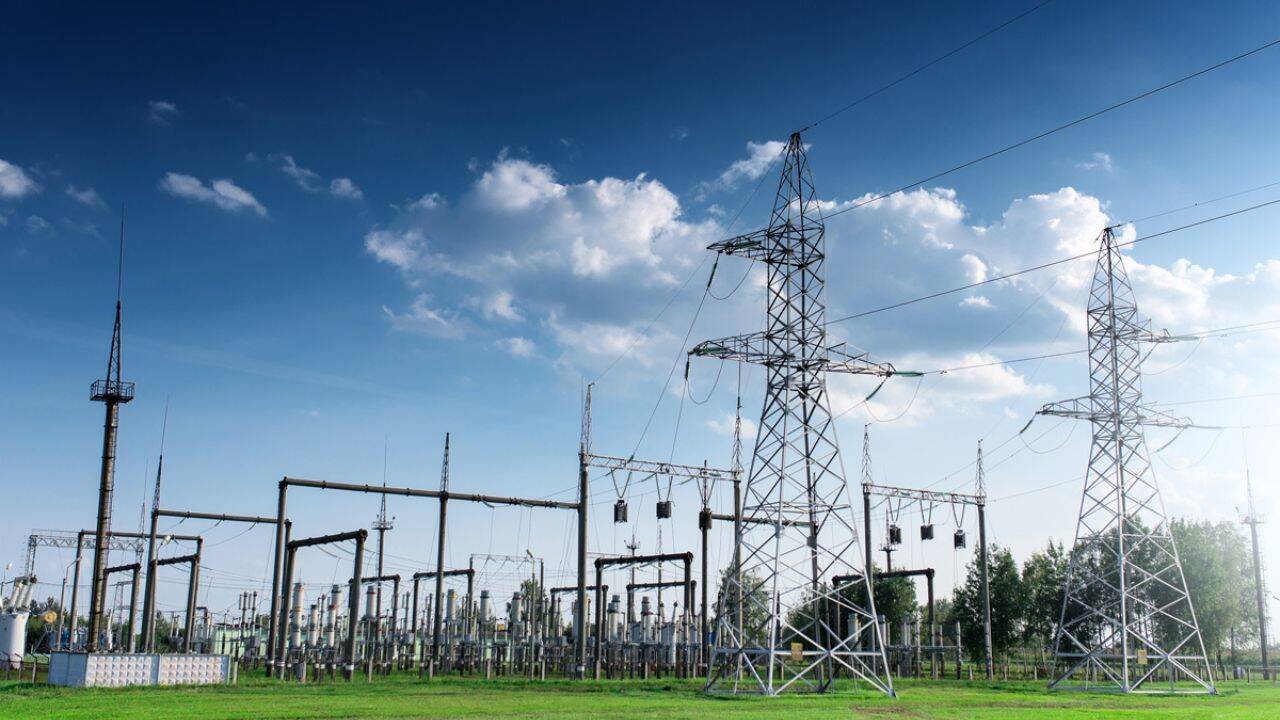
Blaming hydropower alone for Sri Lanka's multi-hour blackout misses how fragile an island grid gets when heavy generation trips happen at the exact wrong moment.
Around midday on October 17, 2026, roughly 22 million people across Sri Lanka lost grid power in a sweeping nationwide outage that dragged on for hours. Water pumps slowed or stopped, mobile data and internet connections took hits, and households watched fans and appliances die in the middle of a sunny day. Early headlines pointed straight at a breakdown at the Upper Kotmale hydropower station in the central hill country, while other reports floated solar surplus or coal plant faults.
Here's the catch. When you look past the first frantic hour of news reports, a single "hydropower failure" headline doesn't tell the full story. A modern power grid doesn't collapse because of one isolated piece of equipment unless the rest of the system lacks enough cushion to absorb the shock.
Why a Hydropower Failure Headline Only Tells Half the Story
If you've ever watched a grid operator's frequency meter during a sudden generation drop, you know how unforgiving electrical physics is. Frequency has to stay tightly balanced—supply and demand must match second by second. When a major generator drops off suddenly, grid frequency dips, and if other units can't ramp up fast enough or if protective relays trip in a chain reaction, the whole island goes dark.
During the October 17 event, early statements highlighted trouble linked to Upper Kotmale in the hill country, yet follow-up technical reporting and preliminary findings from the National System Operator (NSO) pointed to a sudden drop at a major coal generation unit—specifically Lakvijaya (Norochcholai) Unit 01 plunging from 187 MW to 5 MW in under half a second—while Upper Kotmale was already dealing with an outage. Meanwhile, seven transmission elements were also out of service at the time, shrinking the network's safety margin.
Honestly, that's why early blackout coverage gets messy so fast. Officials and utility spokespeople react in real time to partial telemetry while engineers pull data recorders from substations. Calling it strictly a hydropower failure simplifies a multi-factor cascade into a neat soundbite.
What Happens When Rooftop Solar Meets an Aging Grid
Solar energy got pulled into the blame game almost immediately, partly because the outage hit during bright daytime hours and officials urged rooftop solar owners to disconnect while restoration got underway. Rooftop solar in Sri Lanka has grown fast—reaching around 1.94 GW by the end of 2025—and can supply a hefty chunk of daytime demand, often around 15% to 25%.
That growth is great news for cutting expensive imported fuel bills and easing pressure on foreign reserves. Still, rapid rooftop adoption creates real operational headaches when the grid behind it hasn't caught up.
Most existing rooftop solar inverters are grid-following, meaning they lock onto the grid's voltage and frequency and shut down automatically when those signals swing outside set limits. Think of them like passengers who step off a moving train the second the tracks wobble. If a big thermal or hydro unit trips and frequency drops, a wave of disconnecting solar inverters can amplify the imbalance rather than steady it.
Worse still, grid operators often lack real-time visibility into thousands of distributed rooftop systems, and adoption of updated ride-through inverter settings has lagged across older installations. Blaming solar panels for wanting to break away from a destabilized grid gets cause and effect backward, even if uncoordinated disconnections make recovery harder.
Lessons From Past Blackouts and Utility Strain
This isn't Sri Lanka's first brush with a total system collapse, nor is it the first time rooftop solar and grid stability have collided. In February 2025, a fault at the Panadura grid substation triggered a nationwide blackout that forced authorities to ask solar owners to disconnect during restoration. Years earlier, during the 2022 economic crunch, fuel shortages and union actions brought grueling multi-hour power cuts across the country.
Anyone who has worked around utility operations knows the pattern. When a utility faces tight finances, deferred maintenance, and aging transmission lines, the margin for error shrinks to almost nothing.
Three practical realities keep tripping up island and mid-sized grids:
- Low system inertia: Fewer spinning heavy turbines—or fewer units able to respond in seconds—means frequency swings faster after a sudden plant trip.
- Transmission bottlenecks and maintenance gaps: Having lines or transformers offline during peak or midday shifts reduces rerouting options when something breaks.
- Slow black-start and restoration: Bringing a dead grid back piece by piece takes hours, especially without grid-forming battery storage to anchor voltage and energize auxiliaries quickly.
Research and policy analysis from groups like the Centre for Science and Environment point out that South Asia faces a broader version of this same tension as solar climbs fast. You don't solve grid fragility by stalling clean energy; you solve it by upgrading protection rules, monitoring, and storage alongside generation.
Practical Steps for Households, Businesses, and Planners
When a multi-hour blackout hits without warning, waiting for a press release won't keep your freezer cold or your router online. A few hands-on moves make a big difference right away.
For homes and small offices:
- Keep a small lithium iron phosphate (LiFePO4) backup box or inverter battery charged for Wi-Fi, phone charging, and LED lighting rather than trying to run heavy air conditioners or water pumps off a small pack.
- Store drinking and utility water ahead of time whenever grid outages are likely, since municipal pumping stations rely on steady electricity.
- If you own a rooftop solar system, check with a qualified installer about your inverter's ride-through settings and ask whether your setup automatically disconnects during grid outages—most standard grid-tied systems shut down for safety unless wired with dedicated backup/islandable gear.
For engineers and energy policymakers:
- Audit feeder-level solar hosting capacity and require modern voltage and frequency ride-through standards on new installations while phasing in firmware updates where supported.
- Pair utility-scale or substation battery storage with fast-acting hydro and transmission upgrades so a single plant trip doesn't snowball into an islandwide shutdown.
- Publish clear, transparent post-mortem timelines from regulators and system operators so public debate stays anchored in verified fault sequences rather than guesswork.