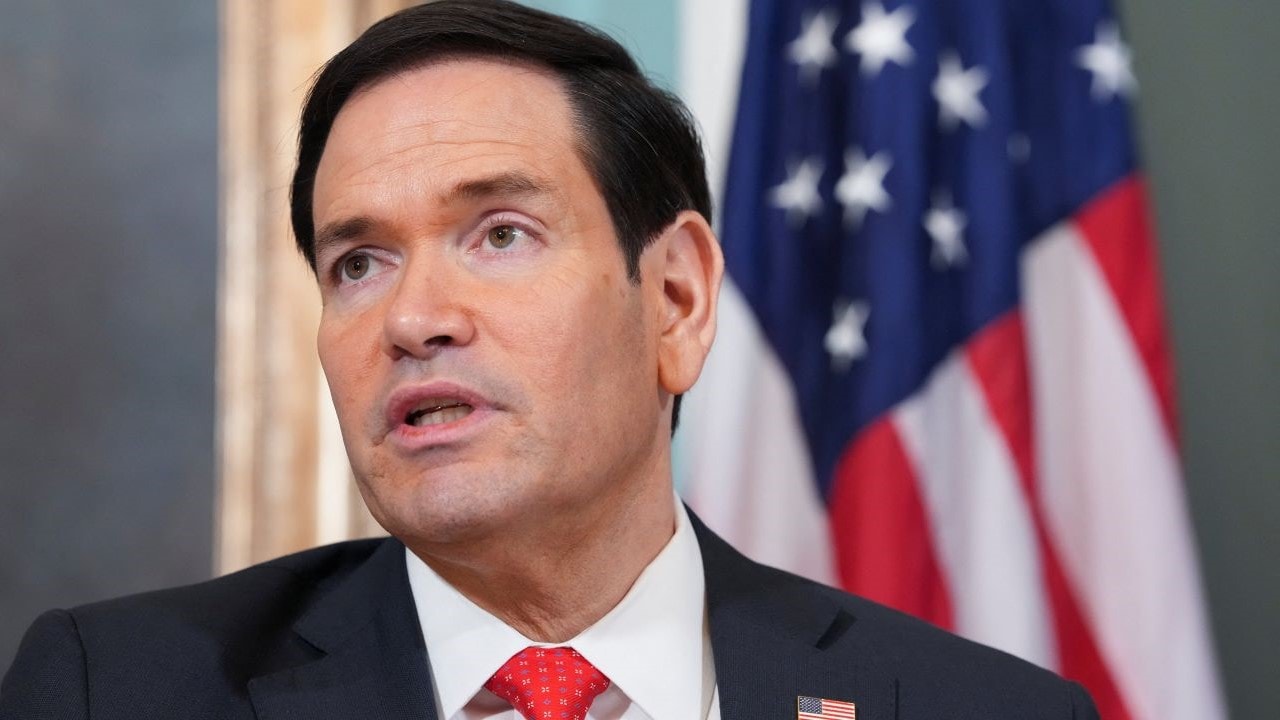
Don't believe the headlines claiming a sudden diplomatic breakthrough is about to end the conflict in the Middle East. It's not that simple. When Secretary of State Marco Rubio stood before the Senate Foreign Relations Committee on Tuesday, his admission that Iran is suddenly willing to discuss previously forbidden nuclear topics sounded like a massive win. But if you look past the initial optimism, the reality on the ground is a chaotic mess that could fall apart at any second.
The Trump administration claims its military pressure campaign has forced Tehran to the table. Democratic lawmakers, meanwhile, are calling the current foreign policy strategy a flat-out dumpster fire. While Washington debates its endgame, the actual communication lines are freezing up. Here's what is actually happening behind the closed doors of Capitol Hill and what it means for the threat of a wider war.
The Broken Shield Forcing Iran to Blink
For years, Iran operated under a very specific strategic playbook. Rubio laid it out clearly to the senators: Tehran wanted to build a nuclear weapon behind a "conventional shield". The plan was to amass so many missiles, drones, and proxy forces that any attack on their nuclear facilities would be too costly for the US or Israel to contemplate.
That shield is now full of holes. The recent US-led military campaign and relentless Israeli strikes have substantially degraded Iran's ability to manufacture and deploy those high-end weapons. They still have plenty of cheap drones, but the grand deterrent strategy has cracked.
Because their conventional safety net is failing, Iranian officials are now signaling a willingness to negotiate on nuclear elements they refused to even mention a year ago. They're cornered, and cornered regimes talk. But don't confuse a willingness to talk with a willingness to surrender. Rubio himself explicitly cautioned that this shift doesn't guarantee an acceptable deal.
A War Without a Clear Exit Strategy
While Rubio preaches strategic patience, Capitol Hill is splitting at the seams over how this war actually ends. The tension in the Senate hearing room was thick, highlighting the deep divide over the administration's blank-check support for Israeli military actions.
Senator Chris Van Hollen didn't hold back, launching a fierce critique against the administration's choices. He accused the president of entering a reckless war on behalf of Israeli Prime Minister Benjamin Netanyahu, arguing that the US has stumbled into a conflict without a viable exit plan.
This is the core problem. The administration insists it isn't in a hurry to strike a bad deal, but waiting out a collapsing regime is a dangerous game. If the US-Israeli objective is total capitulation, they might find that a desperate Iranian leadership is far more volatile than a stable one.
Why the Diplomacy is Already Stalling
The biggest reason to doubt a quick resolution is how fast things are moving in the wrong direction outside the committee room. Right as Rubio was expressing cautious optimism to lawmakers, reports hit that Tehran had completely halted communication with international mediators.
The timing isn't a coincidence. Israel recently threatened to launch heavy bombing campaigns against Beirut as it targets Hezbollah, Iran's primary regional proxy. The moment those threats escalated, Iran pulled the plug on the backdoor channels.
This directly exposes the flaw in the current strategy. You can't separate nuclear negotiations from the active shooting war on the ground. The State Department is currently trying to host political talks between Israel and Lebanon to save a fragile ceasefire, but every time a missile flies, the nuclear table gets flipped.
What Happens Next
If you're tracking this situation, stop looking for a grand, sweeping treaty like the 2015 nuclear deal. That era is dead. Instead, look for these specific indicators to see where this crisis is actually heading:
- Watch the Beirut Escalation: If Israel carries out its threats to heavily bomb the Lebanese capital, any hope of near-term nuclear talks with Iran is dead.
- Look for Interim Proposals: The US is currently floating ideas for a strictly time-limited nuclear deal rather than a permanent fix. Watch if Iran accepts a partial freeze in exchange for immediate, minor sanctions relief just to catch its breath.
- Monitor the Domestic Pressure on Rubio: Rubio is facing intense scrutiny over the State Department's budget and broader global pullbacks. If Congress starts tightening the financial screws on foreign aid and deployment capabilities, the administration's leverage changes.
The baseline reality is that Iran is talking because it's hurting, not because it has had a change of heart. Expect more mixed signals, sudden walkouts, and military posturing before anyone signs a piece of paper.
This report on the regional security dynamics offers more details on how the State Department is attempting to manage these overlapping conflicts.