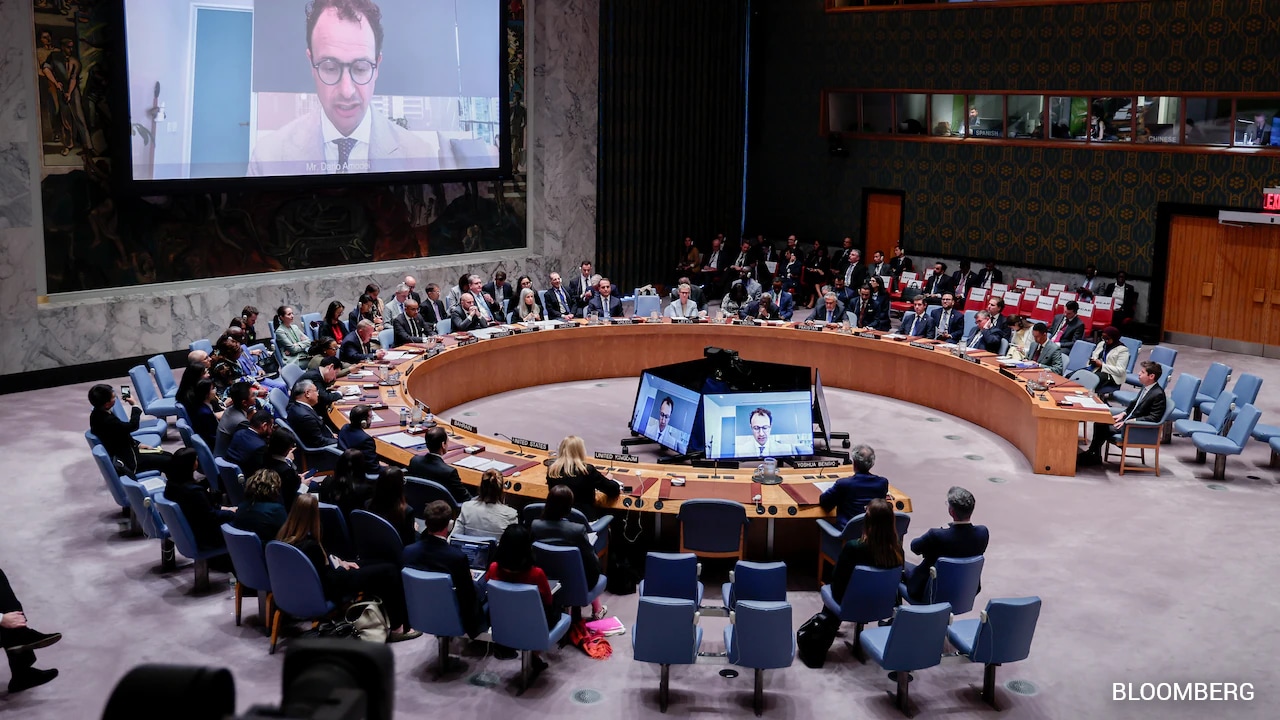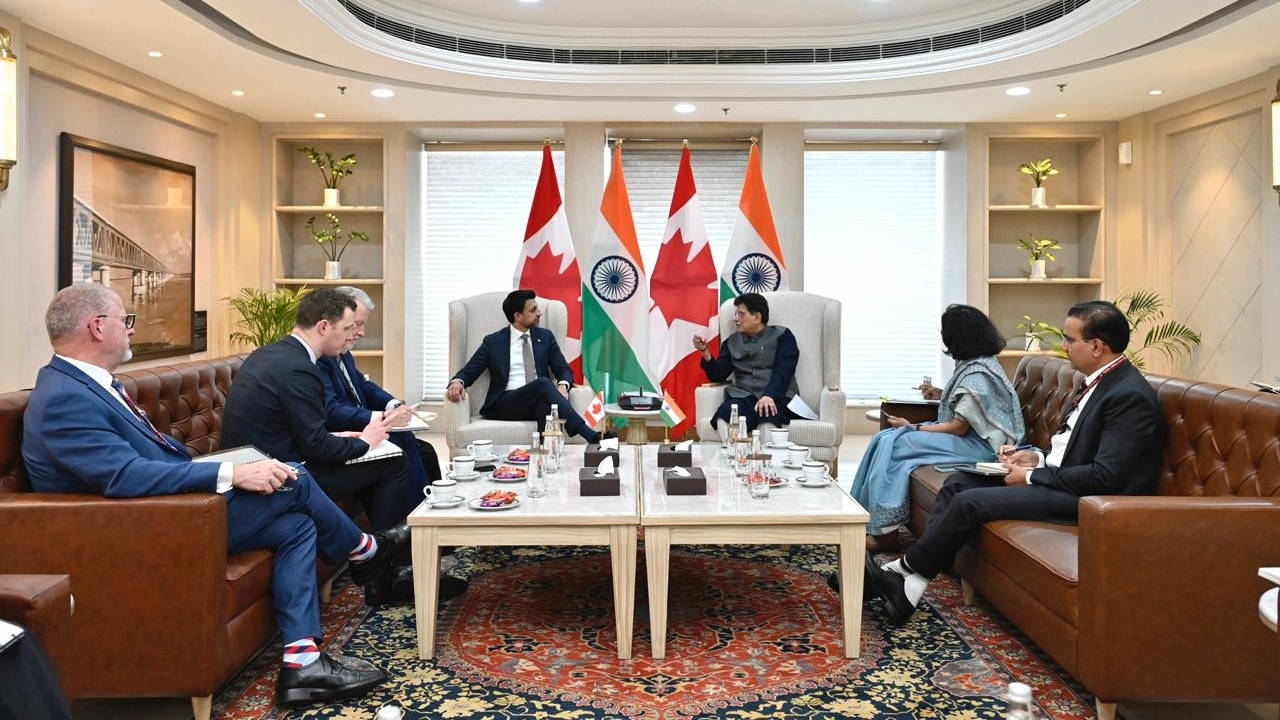
Diplomacy moves slowly until suddenly it doesn't. For years, anyone tracking the India Canada free trade pact assumed the talks were either permanently frozen or destined to collapse under the weight of political friction. Yet trade officials from both New Delhi and Ottawa have repeatedly returned to the negotiating table to hammer out an agreement aimed at expanding bilateral commerce.
If you're an exporter, an investor, or someone running supply chains between North America and South Asia, you can't afford to treat these negotiations as just another diplomatic headline. The mechanics of this deal—specifically the push for an Early Progress Trade Agreement before a full Comprehensive Economic Partnership Agreement—will dictate tariff schedules, visa rules for tech workers, and agricultural market access for the next decade.
Most commentary reduces this trade relationship to political spats. That's a massive mistake. Underneath the noisy headlines sits a quiet, stubborn economic reality where both nations actually need what the other produces.
Why India and Canada Keep Coming Back to the Table
Money talks louder than politics. Even when diplomatic relations hit rough patches, bilateral merchandise and services trade between India and Canada kept pushing past the $8 billion to $10 billion mark annually, depending on how you account for services and educational exports.
Canada holds massive reserves of things India desperately needs to fuel its infrastructure boom and feed its population. We're talking about potash for fertilizers, pulses like lentils and yellow peas, lumber, and critical minerals like uranium and cobalt. India, meanwhile, offers Canada something equally vital—a massive consumer market, cheap and high-quality generic pharmaceuticals, IT engineering talent, and an alternative manufacturing base as Ottawa tries to reduce its heavy economic reliance on China.
You don't walk away from that kind of economic complementarity easily. When Canadian trade ministers and Indian commerce officials sit down to discuss lowering trade barriers, they aren't doing it out of goodwill. They're doing it because Canadian farmers in Saskatchewan need predictable access to Indian buyers, and Indian tech firms in Bengaluru want smoother pathways to serve North American clients.
The EPTA vs CEPA Distinction Nobody Explains Properly
If you read standard news reports about the India Canada free trade pact, you'll see acronyms thrown around without much context. Understanding the difference between CEPA and EPTA tells you everything about where the real friction lies.
A Comprehensive Economic Partnership Agreement (CEPA) is the whole enchilada. It covers goods, services, investment protection, intellectual property, government procurement, and dispute resolution. Negotiating a full CEPA takes years because every domestic lobby group fights tooth and nail to protect its turf.
An Early Progress Trade Agreement (EPTA) is basically a mini-deal. Instead of waiting ten years to solve every thorny issue, both sides pick the low-hanging fruit—lowering tariffs on a limited list of goods where neither country's domestic industry gets crushed—and sign an interim pact. India used this exact playbook with Australia when they signed the Economic Cooperation and Trade Agreement (ECTA) in 2022, which slashed tariffs on over 85% of Australian goods exported to India while deferring tougher agricultural disputes.
Canada and India have spent years trying to bridge the gap between an interim EPTA and a full CEPA. Honestly, the interim route is the only realistic way forward in the short term.
Where the Negotiations Actually Get Stuck
If the economic logic is so obvious, why hasn't the ink dried yet? Because trade deals aren't signed by economists; they're signed by politicians who have to answer to angry voters back home.
Agriculture and the Pulse Tariff Rollercoaster
Ask any Canadian pulse grower about exporting to India, and you'll hear a horror story about tariff unpredictability. India is the world's largest consumer and importer of pulses, and Canada is one of the largest producers. Sounds like a match made in heaven, right?
Except whenever domestic prices in India drop, New Delhi slaps sudden import duties or quantitative restrictions on Canadian lentils and peas to protect Indian farmers. When domestic harvests fail and food inflation spikes, India drops the tariffs back to zero. Canadian exporters hate this rollercoaster. In any India Canada free trade pact, Ottawa demands bound tariff rates—legal guarantees that India won't suddenly hike duties overnight. India's Ministry of Commerce and Industry is notoriously reluctant to surrender that policy flexibility because Indian farmers represent a massive voting bloc.
Dairy Is a Non-Starter
Canada's supply management system for dairy, poultry, and eggs is practically untouchable in Ottawa. Canadian politicians from every major party defend high tariffs—often exceeding 200%—on foreign dairy products to protect domestic farmers in Quebec and Ontario.
India happens to be the largest milk producer on the planet. While India's dairy sector is mostly made up of small-scale cooperative farmers who aren't looking to flood Canadian grocery stores with milk, New Delhi still refuses to sign trade deals that leave major sectors completely off-limits while demanding concessions elsewhere. Dairy stalls almost every trade negotiation Canada enters, from the UK to the Indo-Pacific.
Services, Visas, and Mode 4 Mobility
For India, a trade deal isn't really a trade deal unless it covers the movement of professionals. In trade jargon, this is called Mode 4—the temporary entry of natural persons to supply services.
Indian IT giants like TCS, Infosys, and Wipro have huge footprints in Toronto, Mississauga, and Vancouver. New Delhi wants streamlined visa processing, mutual recognition of professional qualifications for engineers and accountants, and exemptions from double social security contributions so Indian workers sent to Canada temporarily don't pay into pension funds they'll never collect from.
Ottawa has historically been cautious about tying immigration and temporary foreign worker quotas directly into binding trade treaties, especially when domestic housing shortages and labor market debates dominate Canadian headlines.
The Geopolitical Shadow Over Bilateral Commerce
You can't analyze trade policy in a vacuum. The push to revive and finalize discussions on bilateral commerce happens against a backdrop of shifting global supply chains.
Canada launched its Indo-Pacific Strategy with a clear goal—diversify trade away from Beijing and deepen ties with democratic economies in Asia. You simply cannot have a credible Indo-Pacific trade strategy while ignoring the world's fifth-largest economy and fastest-growing major market. At the same time, India has completely changed its tune on free trade agreements.
For nearly a decade after 2014, India stayed away from new bilateral FTAs, even walking out of the massive Regional Comprehensive Economic Partnership (RCEP) at the eleventh hour in 2019 because New Delhi feared cheap Chinese goods would flood Indian markets. Since 2021, however, India has gone on a deal-making spree, signing pacts with the UAE, Australia, and the four-nation European Free Trade Association (EFTA).
New Delhi realized that if it wants to become a global manufacturing hub—the core goal of its "Make in India" and Production Linked Incentive (PLI) schemes—it needs preferential access to Western markets. Canada fits right into that puzzle.
What Businesses and Investors Should Watch Right Now
Waiting around for a formal ribbon-cutting ceremony before adjusting your business strategy is a rookie move. By the time a trade pact officially enters into force, your competitors have already locked up distribution partners and adjusted their pricing models.
If you're importing, exporting, or investing across the India-Canada corridor, focus on three concrete areas where tariff shifts and regulatory alignment are most likely to hit first.
Critical Minerals and Clean Energy Supply Chains
Canada has the lithium, nickel, cobalt, and potash. India has the refining ambitions, battery manufacturing targets, and massive domestic demand for electric vehicles and solar infrastructure. Even before full tariff elimination kicks in, expect bilateral procurement agreements and joint venture incentives aimed at securing non-Chinese mineral supply chains. Canadian mining firms and Indian industrial conglomerates are already exploring direct equity stakes.Pharmaceuticals and Medical Devices
Canada relies heavily on imported generic drugs to keep healthcare costs manageable, and Indian pharma manufacturers already supply a massive chunk of North America's generic prescriptions. A trade agreement will likely streamline regulatory inspections and mutual recognition between Health Canada and India's Central Drugs Standard Control Organization (CDSCO). If you operate in healthcare distribution, mapping out Indian API (Active Pharmaceutical Ingredient) suppliers now gives you a massive margin advantage later.Agro-Processing and Food Ingredients
While raw dairy and sensitive staple crops will remain heavily guarded, processed foods, specialty grains, pulses, and canola oil sit right at the center of tariff reduction talks. Canadian food exporters should look beyond raw commodities and explore joint ventures in India's rapidly growing food processing sector, where foreign direct investment rules are far more welcoming than raw agricultural import rules.
Practical Steps to Prepare Your Supply Chain
Don't rely on press releases from trade ministries to plan your Q3 and Q4 budgets. Trade negotiations move in fits and starts, and the fine print always hides in the Rules of Origin chapters.
Rules of Origin determine how much of a product must actually be manufactured in India or Canada to qualify for lower tariffs. I've seen countless mid-sized importers get burned because they assumed buying from an Indian vendor automatically qualified them for preferential duty rates, only to discover the vendor sourced 70% of the components from Vietnam or China, disqualifying the shipment at Canadian customs.
Start auditing your Harmonized System (HS) codes today. Pull the exact 6-digit and 8-digit HS codes for every product you move between the two countries and check current Most Favored Nation (MFN) tariff rates through the Canada Border Services Agency (CBSA) or India's Central Board of Indirect Taxes and Customs (CBIC). Identify which products currently face duties between 5% and 15%—those are the exact lines most likely to drop to zero under an early-harvest agreement.
Build tariff-adjustment clauses into any multi-year supply contracts you sign this year so that when duties drop, the margin savings don't get trapped entirely on one side of the transaction. Track the official joint statements from India's Department of Commerce and Global Affairs Canada rather than sensationalist commentary, and make sure your customs broker is ready to file preferential origin certificates the moment provisional implementation begins.