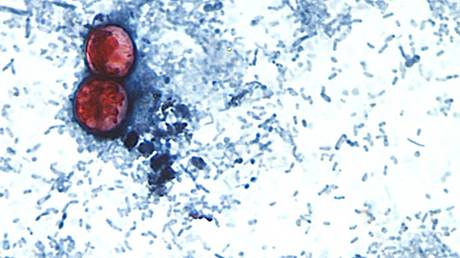
Two people died in Michigan from a severe parasitic infection. Most news outlets reported the bare minimum and moved on. That is a mistake. When a diarrhea-causing parasite turns fatal in the United States, you need to pay attention. It is rare. It is dangerous. And it exposes massive vulnerabilities in how we track waterborne pathogens.
Let us look at what actually happened. The Michigan Department of Health and Human Services confirmed two fatalities linked to Cryptosporidium. You have probably never worried about this microscopic bug before. You should start. It thrives in chlorinated water, resists standard municipal treatments, and turns ordinary swimming pools into biological hazard zones.
Why Cryptosporidium Is Different From Other Bugs
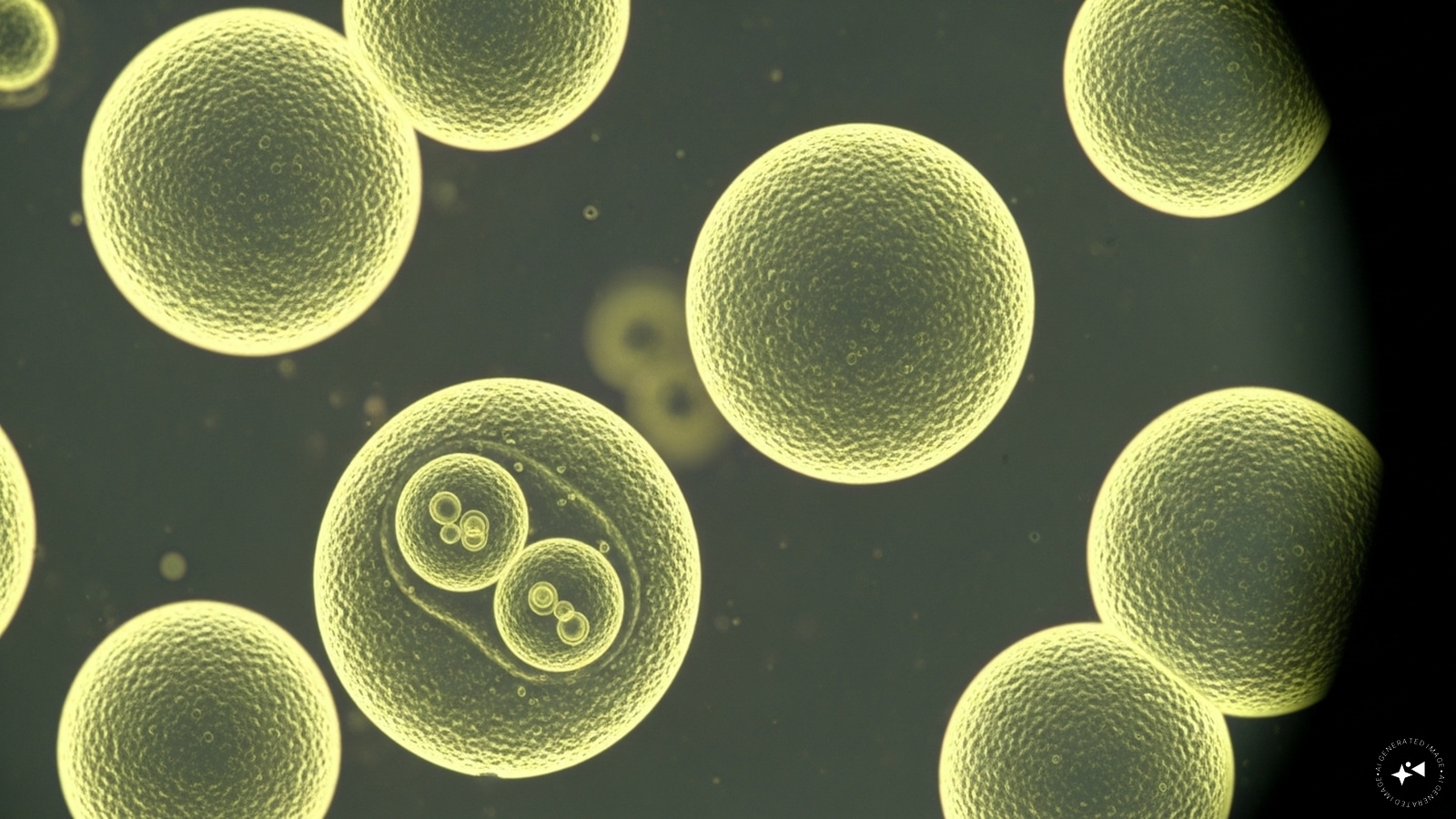
Most foodborne or waterborne illnesses clear up in a few days. You get sick, you stay near a bathroom, you recover. Cryptosporidium does not play by those rules. It forms a hard outer shell. This shell protects it from chlorine.
Drop standard pool bleach into water containing E. coli, and the bacteria dies quickly. Drop it into water containing crypto oocysts, and the parasite laughs it off. It can survive for days in properly treated recreational water.
Symptoms start about a week after exposure. Watery diarrhea is the main event. Stomach cramps follow closely. Dehydration hits fast, especially for children and older adults. If your immune system is healthy, you will miserable for a couple of weeks. If your immune system is compromised, it can kill you. Michigan proved that.
The Real Source of the Problem
Public health officials always point the finger at community pools, splash pads, and water parks. They are right to do so. One sick swimmer can shed millions of germs into a pool. All it takes is a mouthful of accidental water ingestion, and the chain reaction begins.
Outbreaks spike during the summer months. Families flock to public pools to escape the heat. Kids swallow water. Diaper leaks happen. Facility operators struggle to maintain hyper-chlorination levels required to kill resilient pathogens.
Agricultural runoff also plays a massive role. Heavy rains wash livestock feces into local watersheds. Municipal water treatment plants catch most of it, but microscopic parasites slip through filtration gaps.
How to Protect Yourself and Your Family
You cannot see the parasite. You cannot smell it. Testing water takes days, which means results arrive long after exposure happens. You have to take proactive steps.
Stop swallowing pool water. Teach your kids to keep their mouths closed while swimming. If you have diarrhea, stay out of the water. This rule sounds obvious, but thousands of people ignore it every single weekend. Wait at least two weeks after your symptoms completely stop before returning to a public pool.
Wash your hands thoroughly after handling farm animals or changing diapers. Alcohol-based hand sanitizers do not kill crypto effectively. Soap and water are mandatory.
Check local health department alerts before visiting community swimming areas. If an outbreak hits your county, avoid public water parks entirely until officials give the all-clear. Pay attention to municipal boil-water advisories. When authorities tell you to boil water, they usually mean it. Do not take shortcuts with ice cubes or fountain drinks when traveling through areas with compromised infrastructure.
Public health agencies need better surveillance tools. Doctors need to test for parasites faster instead of assuming every gastrointestinal bug is viral. Until the healthcare system catches up, your best defense is aggressive personal hygiene and absolute paranoia about public swimming water.