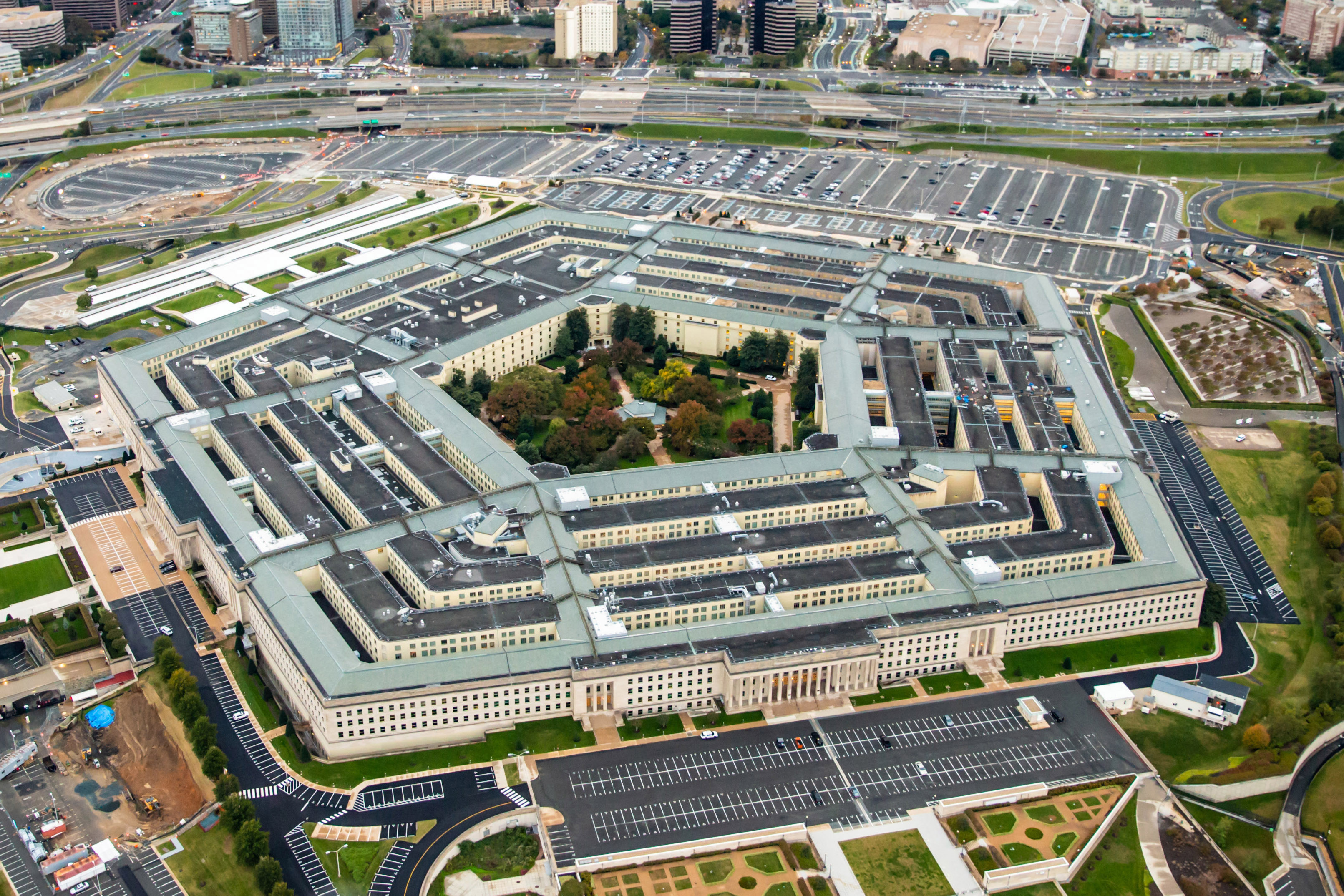
Institutional friction within the United States Department of Defense has reached a critical inflection point, highlighted by reports that Army Secretary Dan Driscoll plans to exit his post by the end of the year. Behind surface-level narratives of personal clashes lies a systemic restructuring of civil-military authority. This transition illuminates the operational mechanics of bureaucratic displacement under Defense Secretary Pete Hegseth. Understanding this shift requires moving past sensationalized accounts to examine how power centralization alters military readiness, command continuity, and institutional design.
The Mechanics of Structural Displacement
The departure of a service secretary is rarely an isolated personnel event; it represents a failure of alignment within the executive command chain. In this instance, friction intensified due to structural incompatibilities between the Office of the Secretary of Defense and the administrative leadership of the Department of the Army.
The primary fault lines trace back to early operational disagreements regarding access, protocol, and reform pacing. When administrative heads attempt to bridge external political networks with internal defense bureaucracy without direct alignment with executive leadership, institutional rejection follows.
The second limitation involves the compression of civilian oversight layers. Hegseth has systematically consolidated authority, bypassing traditional advisory pathways that typically insulate service branches from rapid administrative turbulence. By removing key military figures—such as the April dismissal of Army Chief of Staff General Randy George—the department transitioned from a consensus-driven administrative model to a top-down compliance model. Driscoll's exit is the logical endpoint of an environment where independent institutional buffering is systematically dismantled.
The Cost Function of Leadership Vacuums
When top-tier billets remain unconfirmed or occupied by acting personnel, the organization incurs hidden administrative penalties. The impending vacancy of the Army Secretary position, paired with an unconfirmed chief of staff slot, creates a dual-leadership void inside the largest military branch.
- Strategic Paralysis: Long-term modernization programs, particularly those integrating autonomous systems and battlefield software derived from contemporary European conflict insights, require sustained bureaucratic championing. When leadership turnover accelerates, institutional memory erodes, stalling multi-year procurement contracts.
- Budgetary Friction: The congressional response to executive shake-ups—such as House Armed Services Committee measures demanding formal justification for senior officer removals—introduces legislative oversight friction. Appropriations committees can slow down funding allocations when command stability appears compromised.
- Talent Retention: High-frequency turnover at the flag and senior executive service levels triggers risk aversion among mid-grade military planners and civilian analysts. Innovation stalls when career bureaucrats calculate that alignment with departing leadership carries career penalties.
Institutional Consequences and Legislative Pushback
The accumulation of over two dozen leadership removals across the armed branches since the start of the administration signals a broader strategic pivot. The executive objective is clear: enforce ideological and operational alignment across all echelons of the defense apparatus. However, this velocity of change runs directly into the statutory checks built into the Title 10 organizational framework.
Legislative pushback from committees holding the power of the purse reflects an institutional defense mechanism. Lawmakers are reacting to the erosion of Senate confirmation integrity. When acting officials manage service branches indefinitely, accountability diffuses. The strategy shifts from managing global force projection to internal institutional containment, forcing military departments to divide their cognitive bandwidth between external adversaries and internal structural defense.
The trajectory of the Department of Defense under this centralized command model depends on how quickly vacancies are filled with permanent, Senate-confirmed leadership. Without a restoration of traditional administrative buffers, the compounding friction between civilian leadership directives and military institutional culture will continue to degrade long-term force readiness and procurement efficiency.


