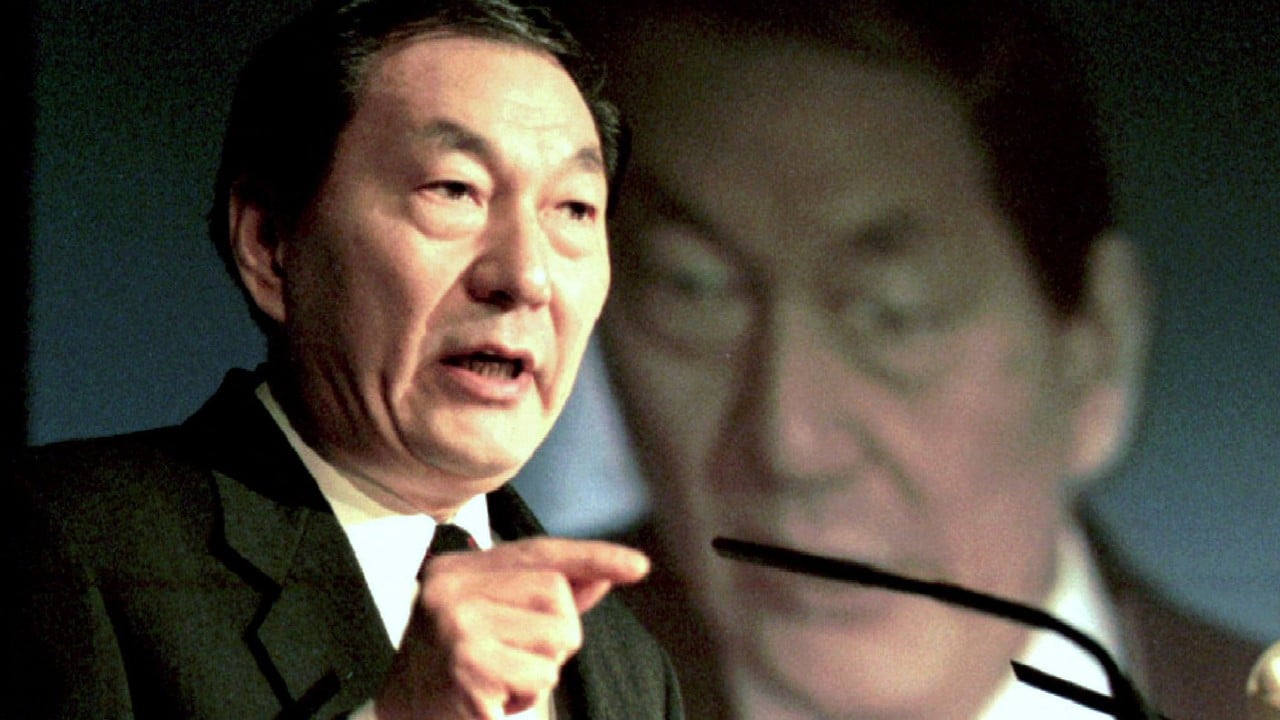
Flags are dropping to half-mast across Beijing and official government headquarters. Former Chinese Premier Zhu Rongji has passed away at the age of 97. If you want to understand how modern China transformed into an industrial powerhouse, you have to look past current headlines and examine Zhu's bruising economic tenure from the 1990s. He wasn't a standard bureaucrat. People called him the "iron-blooded chancellor" for a reason, and his policy fingerprints still shape global trade today.
When Zhu took charge of the economy as vice premier and later as premier, China faced severe turbulence, massive state debt, and the threat of turning inward. State-owned enterprises were bleeding money. Inflation was rampant. Instead of applying light adjustments, Zhu tore into systemic inefficiencies with unmatched aggression. He centralized tax collection, restructured bloated state industries, and threw open the doors to international markets.
The Architect of WTO Entry
You can't talk about global manufacturing without confronting Zhu's defining gamble. In 2001, after grueling negotiations, he successfully steered China into the World Trade Organization. Critics warned it would crush domestic industries under foreign competition.
Instead, it triggered an export boom that turned China into the undisputed workshop of the world.
Zhu understood that protectionism was a dead end. He forced domestic companies to compete globally, accepting massive short-term pain—including millions of layoffs in state-owned sectors—to secure long-term industrial dominance. It was a ruthless calculation, but it worked.
Straight Talk and Sharp Elbows
Zhu stood out in elite politics because he hated empty rhetoric. He demanded hard numbers, punished corruption ruthlessly, and famously fired officials on the spot when they missed structural targets or lied about local data.
Collections of his blunt speeches are still studied by policy wonks and reform-minded officials. He openly admitted when policies hurt ordinary citizens, setting up early urban safety nets and unemployment insurance to cushion the blow of his own structural shock therapy.
Life After Office
After stepping down in 2003, Zhu vanished from public view. He refused to write a tell-all memoir or meddle in daily governance. That silence only grew his legend. As subsequent administrations faced different economic slowdowns, analysts and everyday citizens frequently looked back at Zhu's era as the golden standard of decisive reform.
The official mourning period is more than a formality. It closes the book on a generation of leaders who believed that integration with the global economy, fiscal discipline, and painful structural overhauls were the only tickets to survival. As China navigates its current economic headwinds, the pragmatic, no-nonsense playbook left behind by Zhu remains a high-water mark for statecraft.


