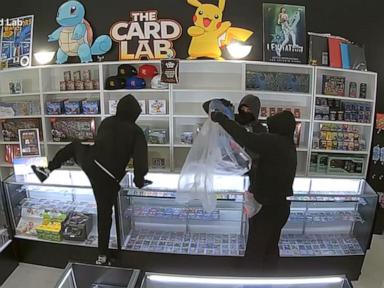
Small businesses in Paris absorb the sharpest financial shock when street demonstrations spiral into vandalism and looting, turning fragile neighborhood shops into collateral damage long before national politics shift. When tear gas clears and cameras move on, independent merchants face stripped shelves, boarded storefronts, delayed insurance payouts, and a steep drop in foot traffic that threatens livelihoods built over years.
A broken window on a boulevard looks like a brief interruption on evening television. Inside a corner phone repair shop or independent bakery, it is an existential threat.
Surface-level coverage tends to frame protest unrest as a tug-of-war between angry citizens and police lines, treating shopkeepers as passive bystanders who simply happen to stand in the way. That framing misses the structural mechanics of why independent retailers get hit hardest and why recovery takes months rather than days. A small merchant does not sit on deep corporate cash reserves. Cash flow is tied up in inventory, payroll, supplier credit, and commercial rent.
Why Small Retailers Sit at the Fault Line
Street clashes in Paris rarely happen in sterile administrative zones. Major marches cut directly through commercial corridors, transit hubs, and mixed-use neighborhoods where dense foot traffic makes storefronts visible targets for opportunistic looters.
A single night of rioting can wipe out months of thin operating margins. Consider a hypothetical neighborhood electronics shop carrying 70,000 euros in stock and operating on a 12 percent net margin. To replace 70,000 euros of stolen phones, tablets, and accessories out of net profit alone, that business would need to generate nearly 583,000 euros in profitable sales—assuming rent stays paid, suppliers stay patient, and customers come back.
When a shop loses its inventory in an hour, the invoice from the distributor still arrives on schedule.
Large retail chains and luxury flagships have layers of shock absorption that independent owners lack. A multinational brand can rebalance stock across regional warehouses, absorb a temporary closure at one branch, and negotiate with insurers from a position of scale. A ten-year-old neighborhood shop run by an immigrant entrepreneur or a local family has no warehouse buffer. If the storefront is stripped bare, revenue stops immediately while fixed expenses keep ticking.
Neighborhood solidarity often steps into the void when state aid feels slow or distant. Neighbors launch online fundraisers, help sweep glass, and buy gift vouchers to keep cash moving. Community goodwill is genuine and moving, yet goodwill cannot pay a commercial landlord or restock high-ticket inventory on its own.
The Hidden Math of Insurance and Claims
Insurance is supposed to turn a catastrophic shock into a manageable inconvenience. In practice, commercial property coverage during civil unrest comes with friction, fine print, and timing gaps that squeeze small operators.
Industry data shows just how concentrated the damage is. According to the French insurance federation France Assureurs, two days of unrest in mid-October generated more than 5,200 claims and over 200 million euros in insured damage, with businesses accounting for roughly 95 percent of estimated losses. Looking back over recent waves of civil disorder, insured losses climbed from around 200 million euros during the November 2005 riots and roughly 220 million euros during the 2018–2019 yellow vest protests to 730 million euros across about 15,600 claims during the June 2023 unrest, with commercial property making up roughly two-thirds of the insured bill.
Even when a policy covers riot and looting damage, claim settlement rarely matches the speed of a shopkeeper's bills. Adjusters must verify losses, assess structural and inventory damage, and apply deductibles or sub-limits. Meanwhile, business interruption clauses often scrutinize whether lost sales stemmed from direct physical damage to the premises or from general street closures and fear among shoppers.
Policyholders also worry about what happens at renewal time. After major unrest, insurers face heavier loss ratios and tighter reinsurance pricing, raising anxiety among small owners that premiums will climb or terms will tighten just as they try to rebuild.
How Policy Reforms Shift the Risk
Lawmakers and insurers have moved to reshape how riot losses are shared across the system. Under Finance Law No. 2026-103, France introduced mandatory riot coverage in property damage insurance policies alongside a mutualization mechanism managed by the state-owned reinsurer Caisse Centrale de Réassurance, designed to backstop insurers with a paid state guarantee while barring exclusions on covered assets.
That structural shift addresses a long-standing market worry: insurers pulling back or carving out high-risk urban corridors after repeated waves of unrest. Still, mandatory coverage does not erase every headache on the ground. Deductibles, documentation hurdles, and cash-flow lags during claim processing remain real pressures for small merchants who live week to week.
| Pressure Point | What Happens on the Ground | Why Small Shops Feel It Most |
|---|---|---|
| Inventory Loss | Shelves and display cases are emptied or smashed overnight. | Replacing stock requires upfront cash or new credit lines before sales resume. |
| Claim Settlement Lag | Adjusters inspect damage and verify inventory before payouts clear. | Rent, wages, and utility bills do not pause while paperwork moves. |
| Foot Traffic Drop | Shoppers avoid affected streets or delay non-essential trips. | Lost walk-in traffic hits impulse and seasonal sales hardest. |
| Security Costs | Owners pay for boarding up windows, shutters, or guards. | Boarded storefronts look closed even when interior work continues. |
Foot Traffic Vanishes Before Glass Even Breaks
Physical destruction gets the headlines, yet quiet revenue loss often hurts just as much across a wider stretch of the city. A shop does not need a shattered window to lose a day's—or a week's—income.
When protests are announced for the weekend, buyers change habits early. Families skip central districts, transit lines face disruptions, and merchants decide whether opening doors is worth the risk to staff and stock. Retail sector reporting after recent unrest noted that more than a quarter of affected businesses closed or suspended operations temporarily to protect staff and prevent further violence.
Timing magnifies the blow. Late autumn and the run-up to year-end represent a critical trading window for French retailers, when seasonal demand is expected to carry weaker months. A delayed delivery can sometimes be rescheduled, and a postponed household purchase might happen next week. A missed holiday shopper or a canceled restaurant table, however, frequently disappears for good.
Macroeconomic headwinds make that lost trade harder to shrug off. Weak consumer confidence and household strain over living costs already weighed on discretionary spending before street clashes flared. Protests did not invent every economic problem facing Paris merchants, yet they arrived on top of a market with very little slack.
Policing, Protest Rights, and Legal Crackdowns
Every debate over protest violence in France runs straight into a constitutional tension: protecting the right to demonstrate peacefully while preventing riots from wrecking public space and private property.
Merchants frequently voice frustration that peaceful marches get hijacked by small groups bent on smashing windows and looting. When demonstrations become recurring weekend fixtures, business owners lose predictability—the single most valuable ingredient for planning staffing, deliveries, and promotions.
In response to mounting damage, lawmakers have pushed aggressive legal remedies aimed at making rioters and participants bear financial and penal costs. Legislative proposals and Senate-backed measures have sought to expand civil liability for protest damage and impose steep fines—up to 10,000 euros under recent bill provisions—even where direct individual property destruction is contested.
Civil liberties groups and legal critics warn that sweeping liability rules risk chilling lawful protest and ensnaring peaceful demonstrators alongside vandals. From a practical business perspective, courtroom recovery against individuals rarely puts immediate cash back into a small shopkeeper's register after a weekend riot.
What Actually Protects a Neighborhood Shop
There is no silver bullet that makes a high-street shop immune to civil unrest. Heavy metal shutters help deter smash-and-grab entry, yet they can also make a street feel fortified and unwelcoming on ordinary days. Better crowd routing and faster police containment around commercial arteries reduce exposure, though urban geography always creates blind spots.
For independent owners trying to stay standing through volatile cycles, survival comes down to practical risk management rather than wishful thinking:
- Audit policy wording before crisis hits: Confirm explicit coverage for riots, civil commotion, looting, and business interruption, and know exact deductibles and documentation rules.
- Keep clear inventory records: Maintain up-to-date digital stock logs, serial numbers, and supplier invoices off-site so claims do not stall over missing proof.
- Protect working capital early: Build even a modest cash reserve or standby credit line ahead of peak trading seasons and scheduled protest dates.
- Plan flexible operating triggers: Set clear rules with staff for early closure, stock movement, and customer updates when alerts point to high-risk marches.
Until political grievances and street tactics stop colliding inside commercial neighborhoods, small shopkeepers will keep paying a bill they never signed up for.