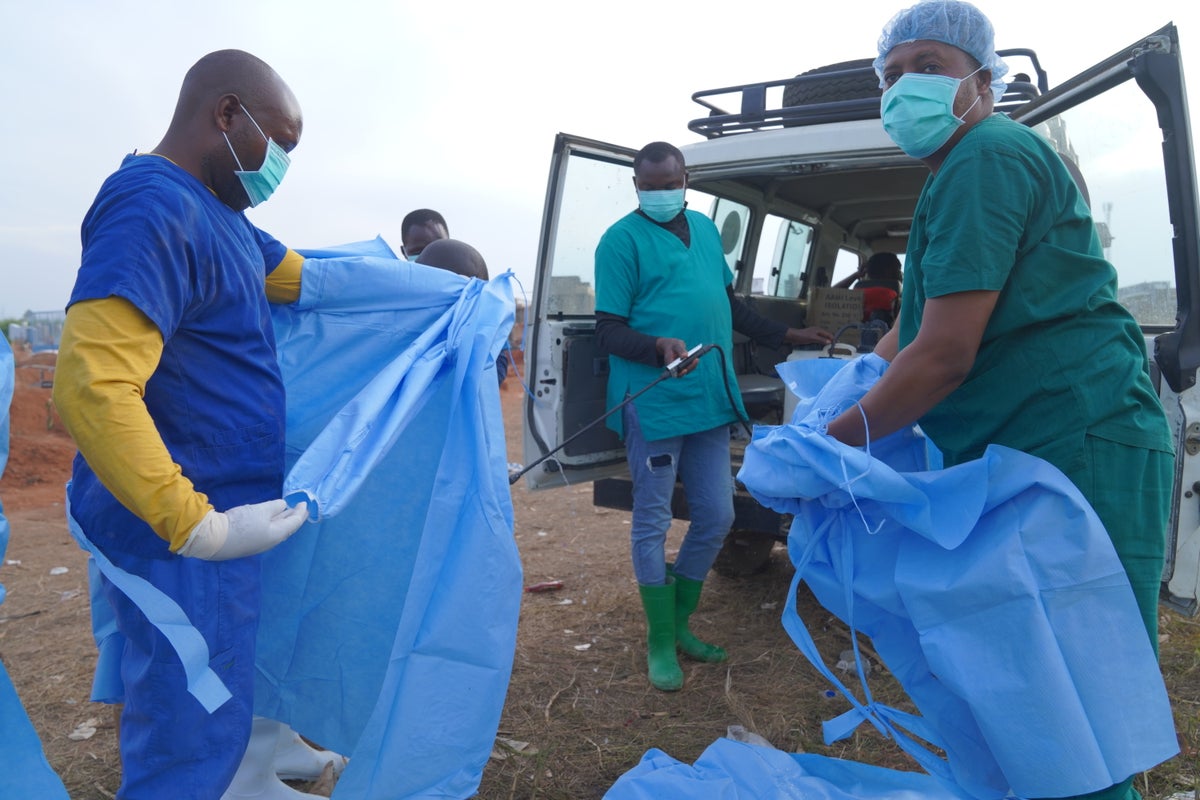
The headlines follow a predictable, lazy script. Every time an epidemic flares in the Kivu region, international desks dust off their standard templates. They focus exclusively on climbing death tolls, community resistance, and the tragic targeting of medical personnel. They paint a picture of a broken society rejecting science out of ignorance, superstition, or malice.
It is a comfortable narrative for outsiders because it shifts all blame onto the victims. It absolves the global health bureaucracy of its structural failures by framing the crisis as a localized failure of culture.
I have spent years analyzing outbreak responses on the ground, and I am tired of the soft-handed analysis. The standard commentary ignores the fundamental mechanics of why these interventions fail.
The conventional wisdom insists that the primary barrier to stopping Ebola is convincing local populations to trust modern medicine. If we just run better communication campaigns, build more treatment centers, and deploy armed guards, the resistance will vanish.
This is a dangerous fantasy.
The Core Misdiagnosis Of Community Resistance
When health workers get attacked, international media outlets breathlessly report it as irrational violence. They treat the population as a monolith of fear.
What they refuse to acknowledge is that community hostility is usually a rational response to an irrational institutional structure. When armed actors or heavy-handed foreign teams descend on a village, they bring resources, security, and medical infrastructure that dwarf anything the local population has seen in decades—yet all of that wealth is strictly gated behind a disease.
If you live in a region where children die daily from malaria, malnutrition, and completely preventable waterborne illnesses, and suddenly an army of foreign specialists arrives with millions of dollars solely because you have Ebola, the calculus is glaringly obvious. You notice that the global health apparatus only cares about you when your suffering poses a bio-security threat to Western capitals.
Calling this dynamic a communication problem is institutional gaslighting. It is not that people do not understand germ theory. It is that they understand local power dynamics and international self-interest perfectly well.
"When disease control operates like an occupying military force, compliance is mistaken for cooperation, and resentment is rebranded as ignorance."
The Counter-Intuitive Truth About Biosecurity Top-Down Control
The lazy consensus holds that centralized, militarized containment is the only way to halt a hemorrhagic fever. Bring in the heavy machinery, lock down the borders, isolate the sick, and sanitize everything in sight.
History shows this approach often accelerates spread by driving cases underground.
When treatment centers are modeled like quarantine prisons where people go to die—historically, case fatality rates inside poorly managed foreign-run tents were terrifyingly high—families naturally hide their sick relatives. They choose home-based care, traditional practitioners, or secretive burials over handing their loved ones over to strangers in hazmat suits.
To fix this, we have to stop treating epidemic response as a policing exercise and start treating it as a decentralized logistical challenge owned by the people who live there.
Why Traditional Contact Tracing Fails In Conflict Zones
Standard contact tracing assumes a stable civil registry, fixed addresses, and a trusting relationship between citizens and state authorities. In eastern Democratic Republic of the Congo, none of those baseline assumptions exist. Decades of institutional neglect, militia activity, and displacement mean people move constantly.
When foreign epidemiologists try to apply rigid epidemiological checklists designed for suburban European or North American contexts, they generate useless data. They waste precious hours chasing phantom leads while missing the actual social networks where transmission happens.
Instead of imposing foreign protocols, effective interventions must invert the power structure entirely. Give resources, testing capacity, and autonomy directly to local nurses, traditional healers, and neighborhood associations. Stop dictating terms from Geneva or Kinshasa.
The Real Economics Of Epidemic Panic
There is an uncomfortable economic engine driving international outbreak coverage. High-drama narratives about bleeding out from a terrifying pathogen pull funding, trigger emergency declarations, and keep bureaucratic agencies flush with cash.
Meanwhile, chronic killers claim orders of magnitude more lives quietly every single week, generating zero emergency funding because they lack the cinematic terror of a filovirus.
When we obsess over the raw number of fatalities in a headline-grabbing crisis while ignoring the systemic rot of the local health infrastructure, we are treating symptoms while poisoning the patient. A clinic that cannot treat a routine birth complication safely will never successfully manage an outbreak, no matter how many foreign consultants fly in for a two-week rotation.
Actionable Steps To Stop Repeating History
If international donors and public health agencies actually wanted to end the cycle of violence and high mortality during these health emergencies, they would adopt a completely different playbook:
- Decentralize financing: Channel operational funds directly to community-elected health committees rather than massive international NGOs that swallow eighty percent of budgets in administrative overhead.
- Integrate primary care: Never deploy disease-specific interventions in a vacuum. If a treatment unit opens, it must simultaneously treat malaria, cholera, and provide maternal care to the surrounding community from day one.
- Acknowledge institutional failures: Stop blaming cultural backwardness for resistance. Address legitimate grievances about corruption, heavy-handed security forces, and resource allocation openly and transparently.
The next time an outbreak dominates the news cycle, do not look at the local population as the obstacle. Look at the rigid, paternalistic systems demanding their submission.
Stop funding the panic. Fix the foundation.