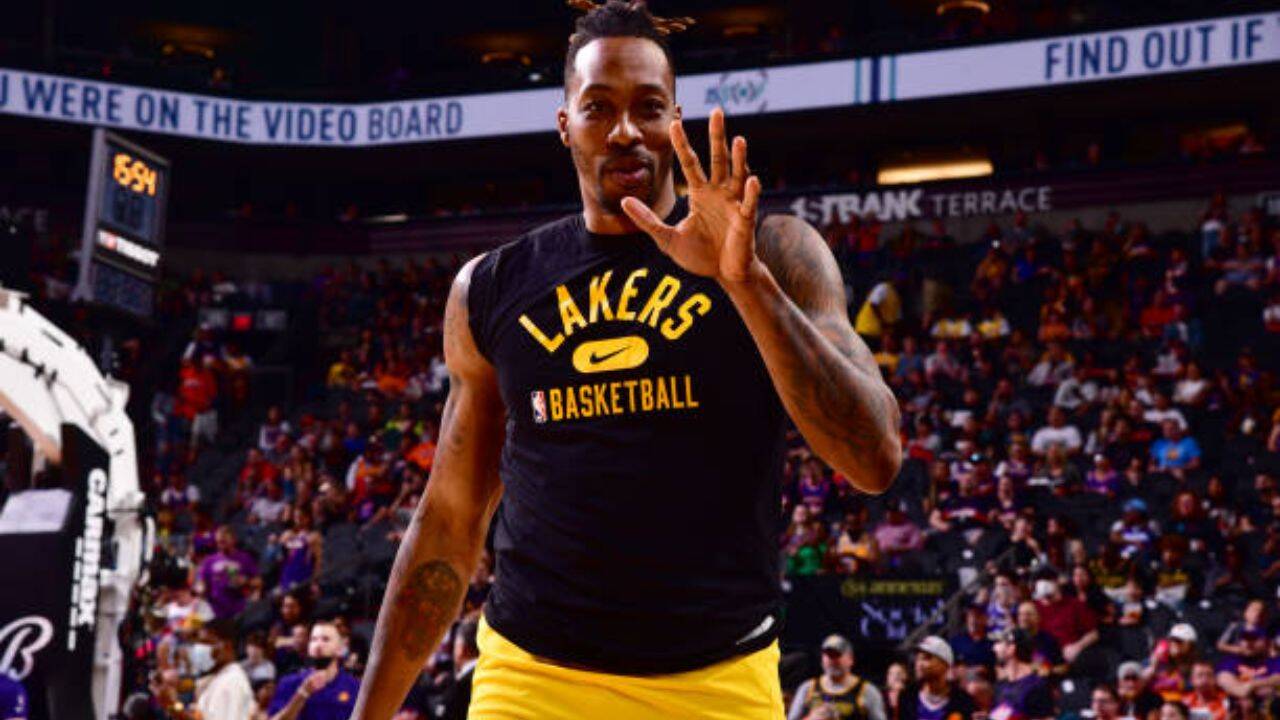
Everybody loves an overtime thriller. The stadium erupts, the highlights run on a loop for twenty-four hours, and some skill-position player gets anointed as the savior of the franchise because he caught three touchdowns in a narrow escape against a desperate opponent. Stop celebrating the heroics and look at the wreckage underneath. When a team needs extra frames to put away an inferior or evenly matched squad after a multi-score performance from its top target, it is not a testament to grit. It is an indictment of systemic failure.
I spent years tracking the analytics behind late-game collapses and miraculous individual stat lines, and every time the media drools over a receiver or running back hauling in a trio of scores during a nail-biter, they miss the structural rot. A player scoring three touchdowns in a victory sounds like dominance on the back of a trading card. On a whiteboard in a film room, it means your entire offensive scheme stalled out in the red zone for sixty minutes, your defense couldn't protect a lead, and your coaching staff relied on a high-variance hero ball to bail out an otherwise stagnant execution.
The Fallacy of the Box Score
The lazy consensus in football commentary treats touchdowns like currency with a flat value. Three scores equals a great game. Period. End of discussion.
This is amateur-hour thinking. We must look at win probability added and situational efficiency rather than raw counting stats. If a playmaker catches three touchdowns, but two of them come on desperation fourth-down heaves or short fields gifted by defensive penalties, his actual contribution to sustained drives is near zero. He didn't break the opponent; he merely cleaned up the mess created by three quarters of inept play-calling.
Let us run a mental exercise to expose this. Imagine a scenario where an offense runs sixty plays. Fifty of those plays result in two yards, a penalty, or a sack. The other ten plays go to your star receiver, resulting in chunk yardage and three trips to paydirt. The casual fan remembers the touchdowns. The defensive coordinator on the opposing sideline sleeps well at night knowing your offense is entirely one-dimensional, predictable, and utterly reliant on broken coverages.
When that game drags into an extra period, it is not because both teams played at an elite level of competitive parity. It is because both coaching staffs committed malpractice by failing to establish a dominant baseline.
Why Overtime Is a Flaw, Not a Feature
League executives love overtime because it manufactures drama for television ratings. It compresses variance into a frantic, coin-flip sprint that drives up engagement metrics. But from a purely competitive standpoint, an overtime period is a monument to sixty minutes of mutual failure.
If two rosters trade punches for four quarters and wind up dead even, it rarely means they are mirror images of gridiron perfection. It usually means both units choked away scoring opportunities, turned the ball over in scoring range, or executed conservative game plans designed not to lose rather than to win.
When a team sneaks out of a nail-biter with an extra-period victory, the post-game press conference is always a masterclass in deflection. Coaches talk about resilience. Players talk about trusting the process. Nobody wants to admit that they barely survived a game they should have locked down by halftime. This toxic positivity protects ineptitude. If you win ugly, the media lets you sweep the underlying execution flaws under the rug. If you lose ugly, you might actually fix the problem.
The Danger of Building Around the Outlier
Leaning on a single player to rack up multiple scores to rescue a sluggish roster creates a dangerous organizational trap. Front offices look at the box score, see three touchdowns, and back up the truck to pay that player franchise-quarterback or elite-receiver money.
They pay for the peak while ignoring the valley.
True organizational health looks like boring, methodical efficiency. It looks like running the ball down an opponent's throat in the fourth quarter to milk the clock. It looks like converting third-and-shorts with a fullback or a disciplined crossing route, rather than needing a miraculous, sprawling circus catch in double coverage just to keep the chains moving.
When you reward the guy who bails you out of self-inflicted wounds, you incentivize everyone else to keep creating those wounds. The offensive line stops blocking with leverage because they know the quarterback will scramble or the receiver will make a highlight-reel adjustment. The play-caller gets lazy because he thinks he can dial up low-percentage deep shots whenever he feels like gambling.
Dismantling the Hero Narrative
We need to strip away the romance of the comeback. Overtime victories built on the back of individual statistical outbursts are symptoms of a team that doesn't know how to step on an opponent's throat.
Look at the elite dynasties across sports history. They do not live in overtime. They do not require three-touchdown rescue missions from exhausted playmakers. They build a ten-point lead in the second quarter, squeeze the life out of the clock, and let the opponent die a slow, suffocating death in regulation.
The next time your favorite team escapes with an extra-period thriller, do not pop the champagne. Check the third-down conversion rate. Check the red-zone efficiency. Look at how many drives stalled out before the heroics started.
Stop praising the firefighter when he is the one playing with matches.