Hollywood is completely terrified right now, and it has nothing to do with what’s on screen. Studios routinely pump $150 million into bloated franchise sequels only to watch them crater on opening weekend. Then, a tiny movie made for less than a million bucks slips into theaters and shatters every rule of box-office math.
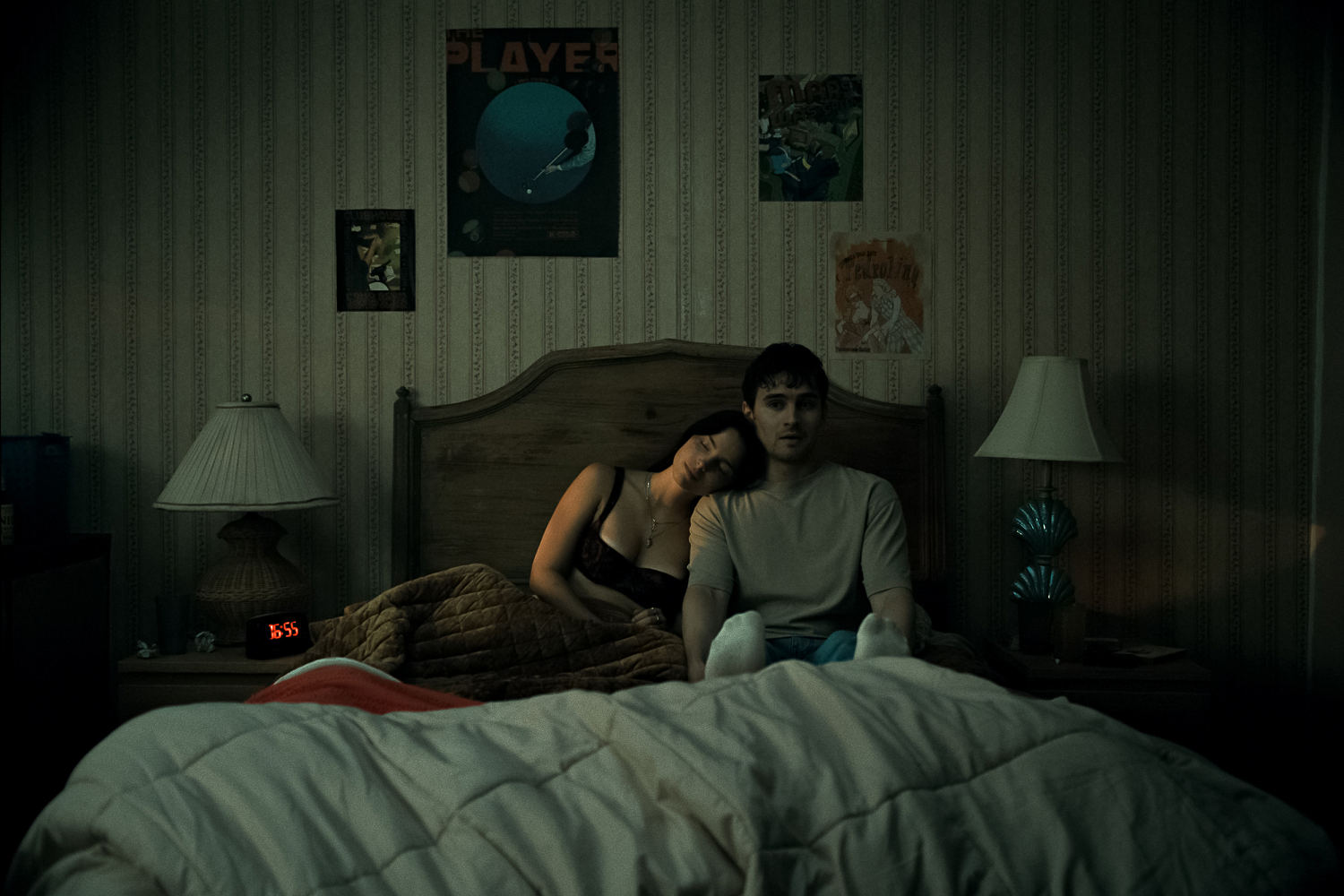
I’m talking about Obsession, the independent supernatural horror film written, directed, and edited by Curry Barker.
If you haven’t been tracking the box-office numbers, let me unpack the insanity for you. The movie cost somewhere between $750,000 and $1 million to produce. It opened on May 15, 2026, to a solid $17.2 million domestically. That alone is a massive win. But what happened next is virtually unprecedented in modern cinema history. In its second weekend, Obsession didn't drop 50% or 60% like almost every horror film before it. Instead, it jumped a staggering 39%, pulling in $23.9 million over the three-day weekend.
Right now, the film is closing in on $80 million worldwide in just ten days. It’s making money faster than anyone can track, and it’s the cheapest movie to top the box office since Paranormal Activity back in 2009.
The industry is desperately trying to figure out how this happened. How did a microscopic indie film about a twisted love spell turn into a cultural juggernaut? The answer boils down to a perfect storm of internet-bred talent, genuine word-of-mouth momentum, and an industry that completely forgot how to talk to real audiences.
The Secret Sauce Behind a 39% Second-Weekend Spike
Horror is traditionally front-loaded. Fans rush out on Thursday night or Friday, the hardcore crowd gets its fix, and then the box office plummets by the second weekend. It’s the standard lifecycle.
When a movie defies that gravity, it means one thing: word of mouth has taken over.
Audiences went into Obsession expecting a standard jump-scare fest and walked out completely rattled. The plot sounds deceptive on paper. Bear, a music store employee played by Michael Johnston, buys a supernatural novelty toy called the "One Wish Willow" to make his childhood crush, Nikki (Inde Navarrette), fall in love with him. He gets exactly what he wants, but the wish warps Nikki’s reality, turning her into a deeply disturbing, erratic force.
Barker takes an icky, classic premise and twists it into a grotesque, darkly comic, and deeply tragic nightmare. Critics and audiences aren't just politely applauding; they've given it a matching 95% score on Rotten Tomatoes. Even the CinemaScore—an A-—is practically unheard of for a film this disturbing.
People are telling their friends they have to see it just to believe it. Focus Features, which acquired the film for $14 million after its premiere at the Toronto International Film Festival's Midnight Madness block, didn't need to spend $50 million on a traditional marketing blitz. The internet did the work for them.
Turning YouTube Grit Into Theatrical Gold
Curry Barker isn't a traditional film school darling who climbed the Hollywood assistant ladder. He built his bones on YouTube making viral shorts, most notably the micro-budget horror phenomenon Milk & Serial. That background gave him an edge that traditional studio executives can't replicate. He understands pacing, virality, and exactly how to capture an audience's attention in seconds.
When you spend years editing your own footage for an audience that will click away the moment they get bored, you learn how to cut the fat. Barker edited Obsession himself. He knew exactly how long to hold a tense shot and when to drop a hammer blow. There’s a specific sequence in the film involving a character getting their head smashed that Barker originally shot with savage repetition. To avoid an NC-17 rating from the MPA, he had to cut the scene down by six or seven smashes. That raw, uncompromising style is exactly what makes the film feel so dangerous compared to sanitized studio horror.
Independent filmmakers often make the mistake of thinking a low budget means they have to compromise on performance. Barker didn't. Inde Navarrette’s performance as Nikki is what anchors the entire theatrical run. She manages to be heartbreaking and terrifying at the same time, shifting from a manic, drug-fueled high to moments of sheer psychological horror.
Why the Studio System Is Failing Where Indie Horror Wins
Hollywood has a massive spending problem. When a studio budgets a movie at $150 million, they need it to appeal to everyone from teenagers in Ohio to families in Tokyo. That financial pressure forces them to sand down the rough edges. They rely on predictable tropes, safe casting, and endless CGI.
Obsession proves that audiences are starved for original, risky storytelling. It didn’t need a massive star or an established intellectual property. It succeeded because it offered a visceral, unique theatrical experience that cost less than the catering budget on a Marvel reshoot.
Look at how it completely overshadowed Paramount's Passenger, which opened over the same holiday weekend. That film brought in a modest $10.5 million on a $15 million budget. It did fine, but it was completely swallowed alive by the Obsession zeitgeist. Box office analysts on platforms like Reddit are already predicting that Obsession could coast to a $200 million or $300 million global finish before its theatrical run ends.
If you're an aspiring filmmaker or a producer trying to navigate the current entertainment environment, there are clear, actionable takeaways from this phenomenon:
- Stop waiting for a massive budget: Barker built his initial audience with free tools and zero money. Use the platforms available right now to refine your voice and prove your concept.
- Focus on the hook, not the scale: Obsession works because the central premise—a love spell gone horribly wrong—is simple to understand but infinitely flexible in how dark it can go.
- Prioritize performance over polish: Audiences don't care if a camera shot is perfectly lit if the actors on screen are delivering lifeless lines. Find performers who can carry the emotional weight of your script.
The theatrical landscape has fundamentally shifted. You don't need permission from a major studio legacy board to create something that captures the global imagination. You just need a camera, a killer hook, and the willingness to take a massive swing.