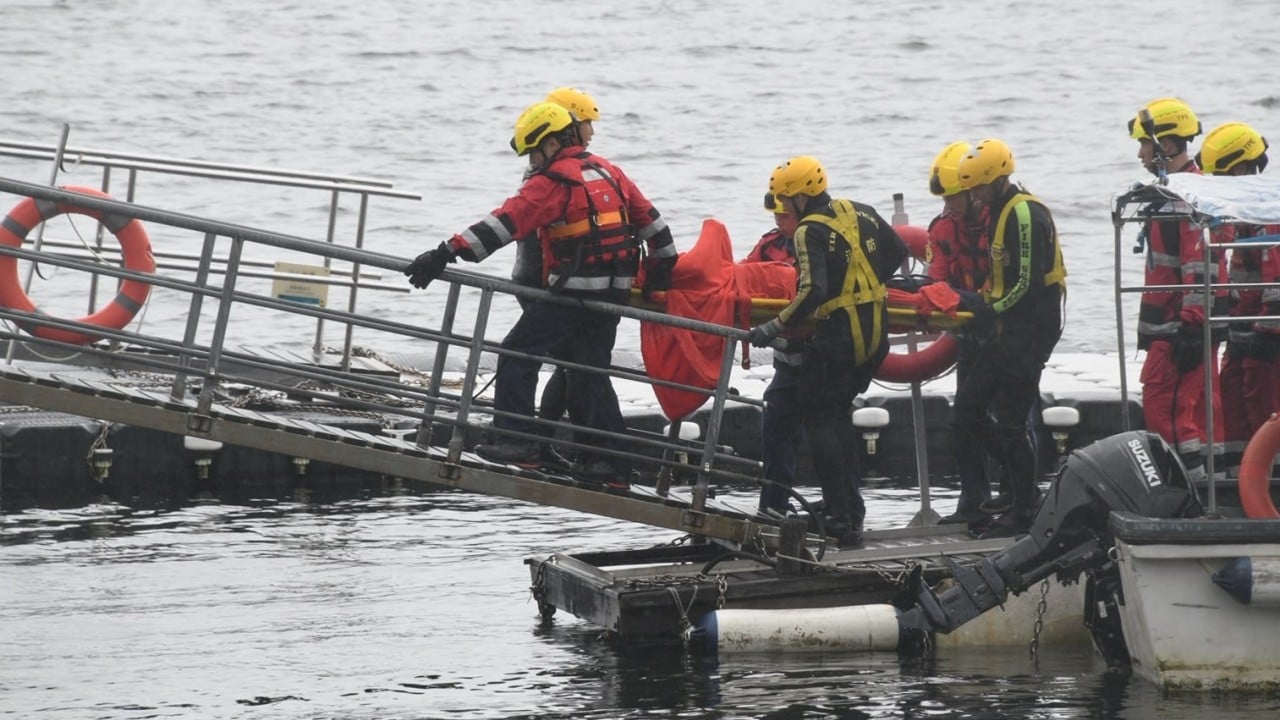
Tragedy makes for easy headlines. When a seasoned 59-year-old triathlete was found dead after heading out during an amber rainstorm warning, the collective media machinery whirred into motion with predictable cadence. The lazy consensus followed a rigid script: weather warnings exist for a reason, hubris kills, and anyone training in severe conditions is flirting with disaster.
The narrative sells clicks. It fuels anxiety. And it is fundamentally wrong.
Most safety discourse treats athletes like fragile toddlers who simply need a stronger warning label. This misses the mechanical reality of high-level endurance training and completely misdiagnoses what actually causes catastrophic failures in veteran competitors. We do not need more hand-wringing over precipitation charts. We need a radical overhaul of how we assess acute physiological risk versus environmental noise.
The Flawed Logic of Blanket Weather Warnings
Look at how meteorological advisories operate. An amber rainstorm warning signals heavy downpours and potential localized flooding. To the uninitiated, water falling rapidly from the sky equals an immediate hazard zone.
Yet, endurance sports are inherently hostile environments. Triathletes willingly submerge themselves in murky open water alongside jellyfish and currents, pedal carbon-fiber bikes at forty miles per hour down winding descents, and run until their kidneys ache. The baseline of the sport is calculated exposure to danger.
Singling out a rainstorm warning as the primary catalyst ignores the multifactorial nature of sudden cardiac events and acute medical emergencies in masters athletes. I have spent decades watching weekend warriors and elite veterans alike obsess over external compliance while completely ignoring internal failure points.
When a seasoned athlete dies during a training session, public discourse points the finger at the sky. Rarely does anyone examine the silent precursors: subclinical cardiovascular plaque accumulation, erratic electrolyte management, or the insidious creep of overreaching that turns a routine swim into a fatal bottleneck.
The Masters Athlete Paradox
Let us look at the data governing older endurance competitors. The boom in masters triathlon participation over the last two decades has created a specific demographic profile. These are driven, high-achieving individuals, often balancing demanding careers with grueling training volumes.
They also carry hidden physiological debt.
Studies in sports cardiology consistently highlight a sobering paradox. Long-term, high-volume endurance exercise provides massive protection against typical lifestyle diseases, but extreme, lifelong training can induce adverse cardiac remodeling. We see higher rates of coronary artery calcification and myocardial fibrosis in veteran endurance athletes compared to sedentary controls.
When an athlete hits age 59, their body is operating on a razor-thin margin between peak adaptation and structural tipping point. A sudden cold-water immersion during heavy rain does not kill a healthy heart purely through the presence of water. It kills when acute environmental stressors collide with an undiagnosed, underlying coronary vulnerability.
Blaming the rainstorm is a comforting delusion. It allows us to believe that if we just stay indoors when the sky turns gray, we are completely safe. That is a dangerous illusion.
Reframing Risk Management
If we strip away the emotional hysteria surrounding severe weather, what does actual risk management look like? It requires moving away from crude binary indicators like weather alerts and moving toward granular, biometric self-audits.
1. Internal Load Versus External Conditions
Weather is an external variable. Heart rate variability, core body temperature, resting blood pressure, and autonomic recovery are internal realities. An athlete training in a torrential downpour who maintains pristine metabolic efficiency is experiencing far less systemic stress than a sleep-deprived athlete sitting comfortably indoors on a trainer while pushing through an undiagnosed viral infection.
2. The Danger of the Complacency Shield
When athletes rely on government warnings to dictate their safety, they outsource their internal risk radar. They assume that if no warning is active, they have a green light to ignore their body's distress signals. Conversely, a seasoned competitor should be evaluating environmental hazards independently: visibility, traffic behavior on wet asphalt, localized flash-flood risks, and water contamination levels.
3. Redefining Mental Toughness
There is a toxic subculture in endurance sports that equates stubbornness with excellence. Pushing through severe weather because of a rigid training schedule is not discipline; it is cognitive laziness. True professional discipline means adapting the execution without compromising the physiological stimulus. If visibility drops to zero in a heavy downpour, open-water swimming becomes an unnecessary roulette wheel, not because of the rain, but because rescue boats cannot see you if you cramp.
The Real Conversation We Refuse to Have
We need to stop pretending that nature is the primary enemy of the athlete. The primary enemy is unchecked ego operating inside an aging, highly stressed biological vessel.
When we reduce a complex athletic fatality to a cautionary tale about ignoring a weather alert, we infantilize the deceased and we blind the living. We create a culture that polices the sky while ignoring the silent, ticking clock inside the chest cavity.
Next time a storm rolls in and a training session beckons, stop asking if the weather service approves. Start asking if your autonomic nervous system can handle the load, whether your annual cardiac screening is up to date, and if you are chasing a fitness metric or running from your own mortality.
The weather will do what it wants. Your job is to know the difference between challenging your limits and rolling the dice.
Stop looking at the clouds. Look in the mirror.