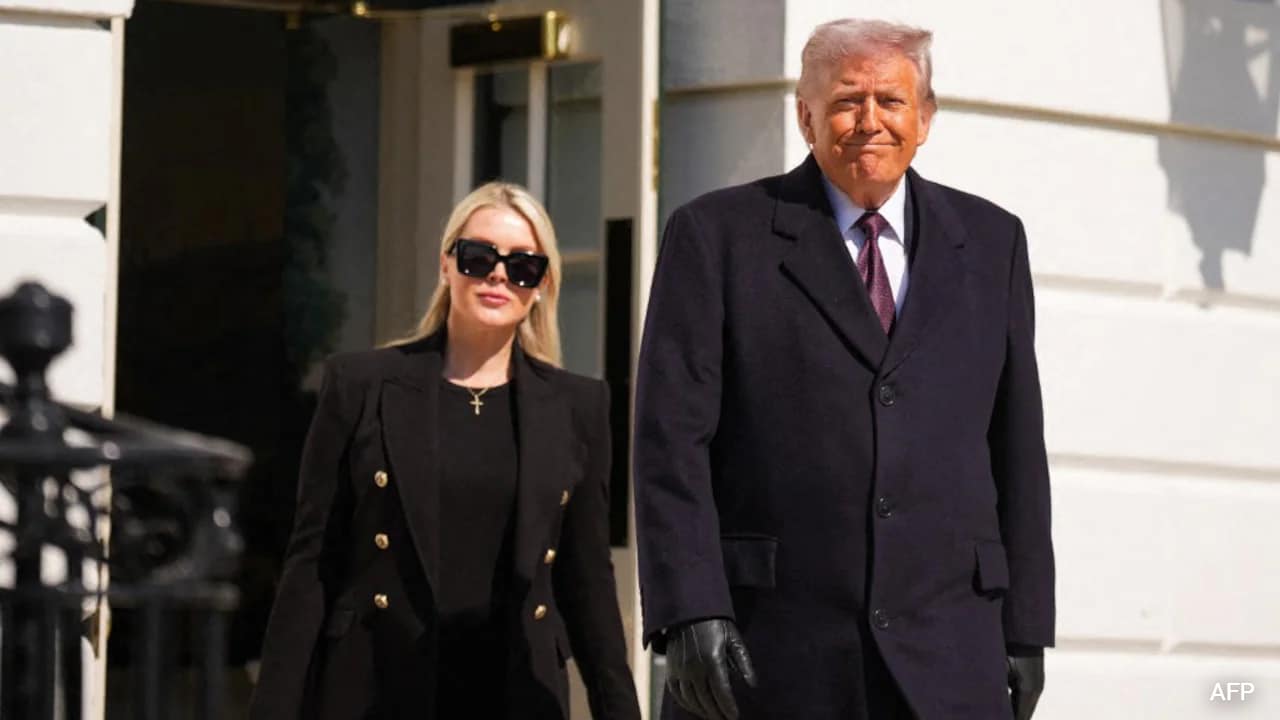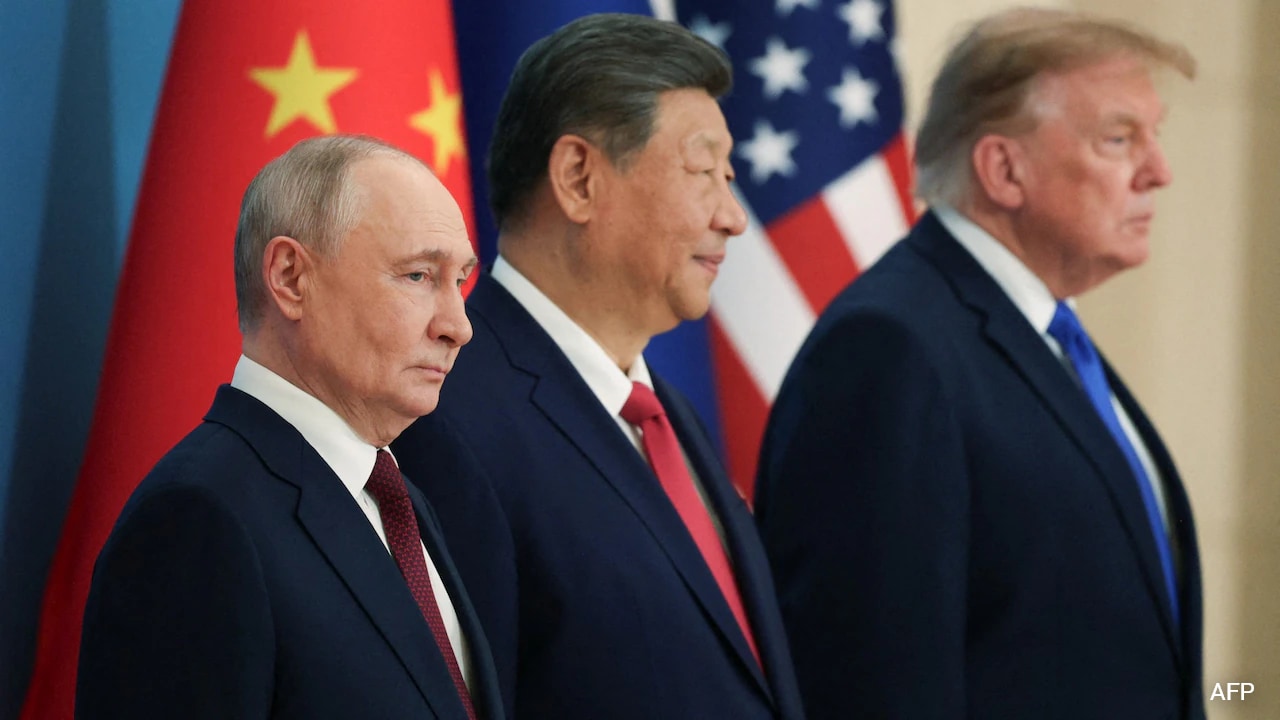
Diplomacy rarely happens in front of the cameras. When leaders meet in Shenzhen, the public gets carefully choreographed handshakes and vague press releases, while the real friction stays behind closed doors.
You've seen the headlines. One side claims a breakthrough on trade or security, and the other immediately issues a readout that sounds like they attended a completely different meeting. That gap isn't an accident. It's the entire point of modern diplomatic signaling, especially when Beijing hosts international counterparts in China's premier tech hub.
Why Shenzhen Matters More Than Beijing for Modern Signaling
If you want to understand what Chinese leadership is actually trying to communicate, look at the venue before you read the transcript. Beijing is the seat of political power, imperial history, and rigid state protocol. Shenzhen is something else entirely.
Forty-some years ago, Shenzhen was a collection of fishing villages across the border from Hong Kong. Today, it's the beating heart of China's hardware manufacturing, electric vehicle dominance, and artificial intelligence ambitions. Bringing foreign diplomats, business executives, or heads of state to Shenzhen sends a blunt message without anyone needing to say a word.
It tells visitors that China isn't just a diplomatic heavyweight—it's an industrial juggernaut you can't easily decouple from.
When Xi Jinping or senior officials use Shenzhen as a backdrop, they're framing the conversation around economic necessity and technological self-reliance. You're not standing in the Great Hall of the People discussing abstract international norms. You're standing miles away from global supply chain chokepoints, semiconductor labs, and the headquarters of companies like Huawei, BYD, and Tencent.
That physical setting shifts the psychological weight of every negotiation. Visitors have to weigh their political grievances against the sheer scale of the commercial reality sitting right outside their hotel windows.
The Anatomy of He Says, Xi Says Diplomacy
In international relations, post-meeting readouts are weapons. When American, European, or regional officials sit down with Xi Jinping, both teams walk out and immediately write competing versions of reality for their domestic audiences.
Western readouts usually emphasize guardrails, frank exchanges, and specific demands—whether that's market access, intellectual property protections, or regional security concerns. They want voters and allies back home to see toughness and clarity.
Chinese state media readouts operate on a totally different wavelength. They prioritize overarching principles, mutual respect, and historical inevitability. You'll see phrases like "win-win cooperation" or warnings against "cold war mentality" repeated across Xinhua and Ministry of Foreign Affairs briefings.
Here's where people misread the room. Analysts often treat these diverging summaries as proof that talks failed or that one side is lying. Honestly, neither interpretation captures how diplomatic readouts actually function.
Both sides are speaking to entirely different constituencies. A diplomatic readout isn't a court transcript; it's a political positioning document. When one side stresses concrete concessions and the other stresses broad philosophical alignment, they're carving out room to maneuver without losing face at home.
Reading Between the Lines of Official Readouts
If you're tracking US-China relations or Asia-Pacific trade policy, you don't need a security clearance to decode what happened in the room. You just need to look for what's missing from both statements.
- Specific timelines: When both sides agree on a concrete policy shift, you'll see dates, working group names, or cabinet-level follow-ups. When they hit a brick wall, the text retreats into vague promises to "maintain communication."
- Asymmetric emphasis: Notice when one party mentions a sensitive issue—like export controls, tariffs, or maritime disputes—and the other side's summary pretends the topic never came up. That silence signals a hard red line where neither side budged.
- Protocol placement: Pay attention to who sat at the table. If economic ministers outnumber security officials, trade stabilization is the priority. If military or foreign ministry heavyweights dominate the seating chart, crisis management is the real agenda.
Why Supply Chains Complicate Every Diplomatic Standoff
It's easy to talk tough in Washington, Brussels, or Tokyo. It's much harder to enforce hardline policies when your domestic industries rely on components assembled in Guangdong province.
This is the core tension driving every high-stakes meeting in southern China. Governments talk about "de-risking" and building resilient supply chains, yet trade data consistently shows how deeply intertwined global manufacturing remains. Even when companies shift final assembly to Vietnam, India, or Mexico, the upstream components—batteries, precision tooling, printed circuit boards—frequently trace right back to factories around the Pearl River Delta.
Diplomats know this. Business leaders know it even better.
Whenever political rhetoric heats up, corporate executives quietly lobby their governments to keep commercial channels open. They aren't naive about national security risks; they just understand that untangling decades of industrial integration takes years and costs billions of dollars.
In Shenzhen, that economic gravity is impossible to ignore. Foreign delegations often include business leaders or happen alongside major trade forums, creating a split-screen effect. While diplomats argue over sovereignty and tech restrictions, executives are negotiating joint ventures and supply contracts down the hall.
Common Mistakes Analysts Make When Watching China
Most commentary on Chinese diplomacy falls into two predictable traps. Either pundits treat every polite statement as a sign of imminent harmony, or they interpret every sharp warning as proof that conflict is unavoidable.
Both views miss the middle ground where actual statecraft happens.
First, stop treating Chinese foreign policy as monolithic. Like any massive government, Beijing balances competing internal pressures. Economic planners worried about domestic growth, youth unemployment, and local government debt want stable foreign investment and predictable export markets. Meanwhile, national security officials prioritize technological sovereignty and regime stability, even if it slows down short-term GDP growth.
Second, don't confuse tactical pauses with strategic retreats. When Beijing softens its rhetoric ahead of a major summit or an APEC gathering, it's usually creating breathing room to stabilize external relations while focusing on domestic economic headwinds. The underlying strategic goals—reducing dependence on Western tech, expanding influence in the Global South, and reshaping regional security architecture—don't vanish just because a meeting went smoothly.
Third, watch actions over adjectives. Diplomatic language is designed to absorb friction. If you want to know whether a Shenzhen summit actually changed anything, ignore the adjectives in the press release and track visa policies, customs inspections, regulatory approvals, and tariff schedules over the next ninety days.
How to Track Real Diplomatic Shifts Yourself
You don't have to rely on cable news hot takes or recycled punditry to figure out where global diplomacy is heading. If your business, investments, or research depend on understanding geopolitical risk, build a simple habit around primary sources.
Start by reading the side-by-side official summaries published on the websites of the relevant foreign ministries—such as the U.S. State Department and China's Ministry of Foreign Affairs—whenever a major bilateral meeting wraps up. Compare the exact wording on sensitive topics like semiconductors, tariffs, and regional security.
Next, cross-reference those diplomatic statements against actual regulatory moves. Check announcements from commerce departments, trade representatives, and customs agencies. Real policy shifts leave a paper trail in export license approvals, anti-dumping investigations, and bilateral working group schedules.
Finally, pay close attention to corporate capital expenditure announcements in the weeks following high-profile summits. Multinational companies have intelligence networks that rival government agencies. Where they put their money—whether expanding R&D centers in southern China or accelerating factory builds elsewhere in Asia—tells you far more about the real state of diplomacy than any official photo op ever will.