The sirens do not ask for permission before they tear through the morning. They are not polite. They wail with a metallic urgency that cuts straight to the marrow, vibrating through windowpanes and tightening the chests of anyone within earshot. For months, for years now, this sound has been woven into the fabric of daily existence in towns and cities across Ukraine. It is the soundtrack of an unending tension, a brutal reminder that the horizon is never truly safe.
And then, the sirens stop. The blast follows.
Numbers arrive later. Cold, antiseptic figures typed onto screens and broadcasted across news tickers. In the aftermath of the latest relentless barrage of Russian strikes across Ukraine, the toll is laid bare with mechanical precision: twenty-two lives extinguished, fifty-four bodies bearing the jagged shrapnel of a conflict that refuses to spare the innocent.
Twenty-two. Fifty-four.
They are digits meant to encapsulate tragedy, yet numbers have a peculiar way of hiding the human cost behind their neat geometry. Say "twenty-two dead" and the mind registers a statistic. Picture twenty-two empty kitchen chairs at dawn. Picture twenty-two pairs of shoes left by the front door, untouched, waiting for feet that will not return. Imagine the silence where a voice used to bicker about the weather or hum an old melody.
Consider what happens in the seconds before a strike. A kitchen in a residential apartment building. The smell of freshly brewed chicory or instant coffee. A mother wiping down a laminated table, listening to the muffled rumble of distant anti-air defenses. She tells herself it is far away. It is always far away until it isn't.
War does not arrive as an army on horses with banners flying. It arrives as steel screaming through the stratosphere at supersonic speeds, indifferent to the children's drawings taped to the refrigerator or the carefully tended houseplants sitting on the windowsill. When the missile hits, it erases the boundary between the front lines and the living room in a fraction of a millisecond.
The fifty-four injured carry a different kind of burden. For them, survival is an abrupt transition into a world of fluorescent hospital lights, the smell of antiseptic, and the agonizing arithmetic of physical recovery. Shrapnel does not care about politics. It tears through flesh, shatters bone, and leaves behind scars that will ache every time the weather turns cold. Surgeons work under flickering emergency generators, racing against time and diminishing supplies, performing miracles with instruments that have seen too many nights like this.
To understand the true weight of these updates, one must look past the bureaucratic language of military briefings. Every casualty represents a universe of unfulfilled plans. A birthday party that will never be celebrated. A university degree left unfinished. A phone call that will ring out into an empty room.
History is rarely made by grand sweeping gestures in marble halls. It is endured in the dark, damp basements of apartment blocks where neighbors huddle together beneath wool blankets, sharing whispered reassurances while the ceiling trembles above them. It is measured in the quiet resilience of ordinary people who wake up the morning after a bombardment, sweep up the shattered glass from their living room floors, and begin to patch the holes in their walls with duct tape and plywood.
The calculus of modern conflict relies on attrition. The aggressor calculates that if the numbers climb high enough, the spirit will crack. They believe that grief can be weaponized into compliance, that the constant drumbeat of loss will eventually erode the will to resist.
They miscalculate the human heart.
When twenty-two people are killed and fifty-four are wounded, the immediate grief is profound, but it hardens into something unbreakable. It transforms into an acute awareness of what is at stake. The people walking these battered streets are not fighting for abstract geopolitical doctrines; they are fighting for the right to exist in their own language, on their own land, without looking up at the sky in terror every time a jet engine roars overhead.
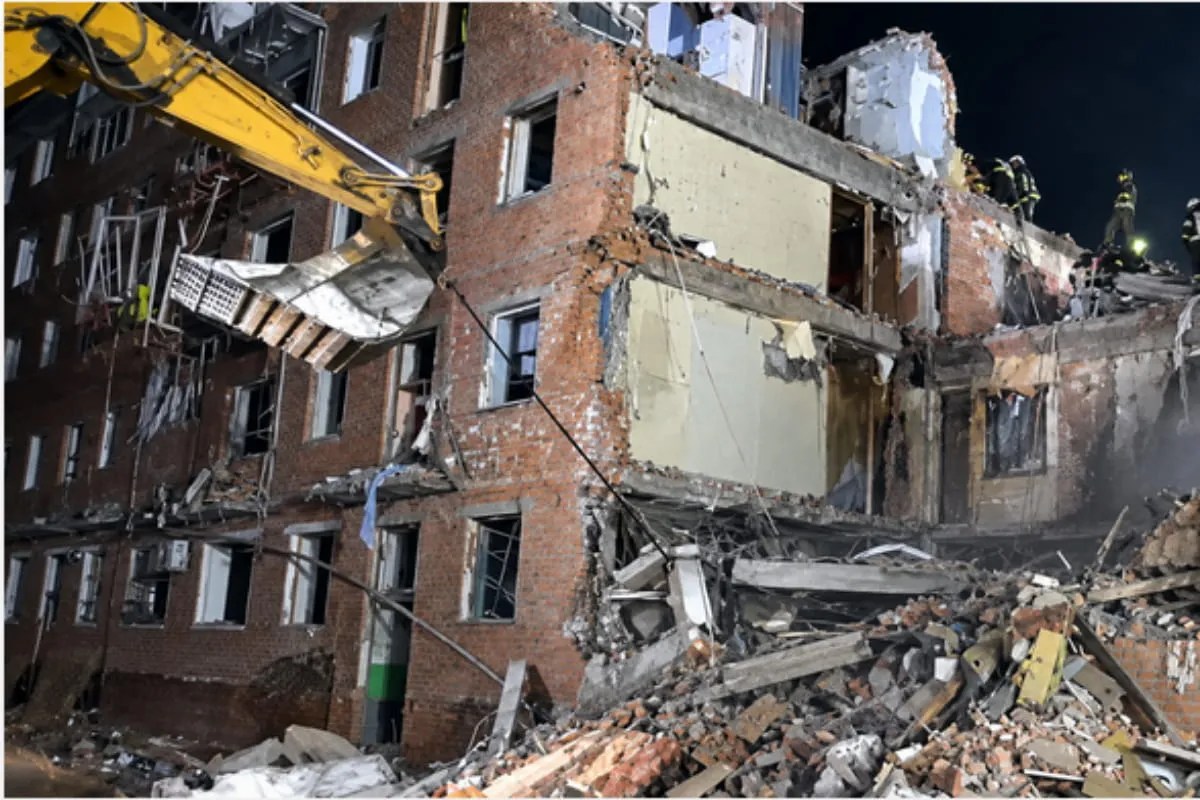
The smoke clears slowly over the affected districts. Emergency workers in heavy blue jackets sift through mounds of pulverized concrete and twisted rebar, moving with a practiced, grim efficiency. They lift slabs of concrete with bare hands and heavy machinery alike, searching for signs of life beneath the ruins. Every recovered body is a tragedy; every survivor pulled from the dust is a quiet, defiant victory against the dark.
As the sun sets over the scarred landscape, the sirens begin to wail once more. The night rolls in, heavy and unpredictable. Across the country, lights flicker on behind blacked-out windows, and people brace themselves for whatever tomorrow's numbers might bring, holding fast to the stubborn, quiet belief that dawn will eventually break on a world where the only sound in the morning is the wind through the trees.