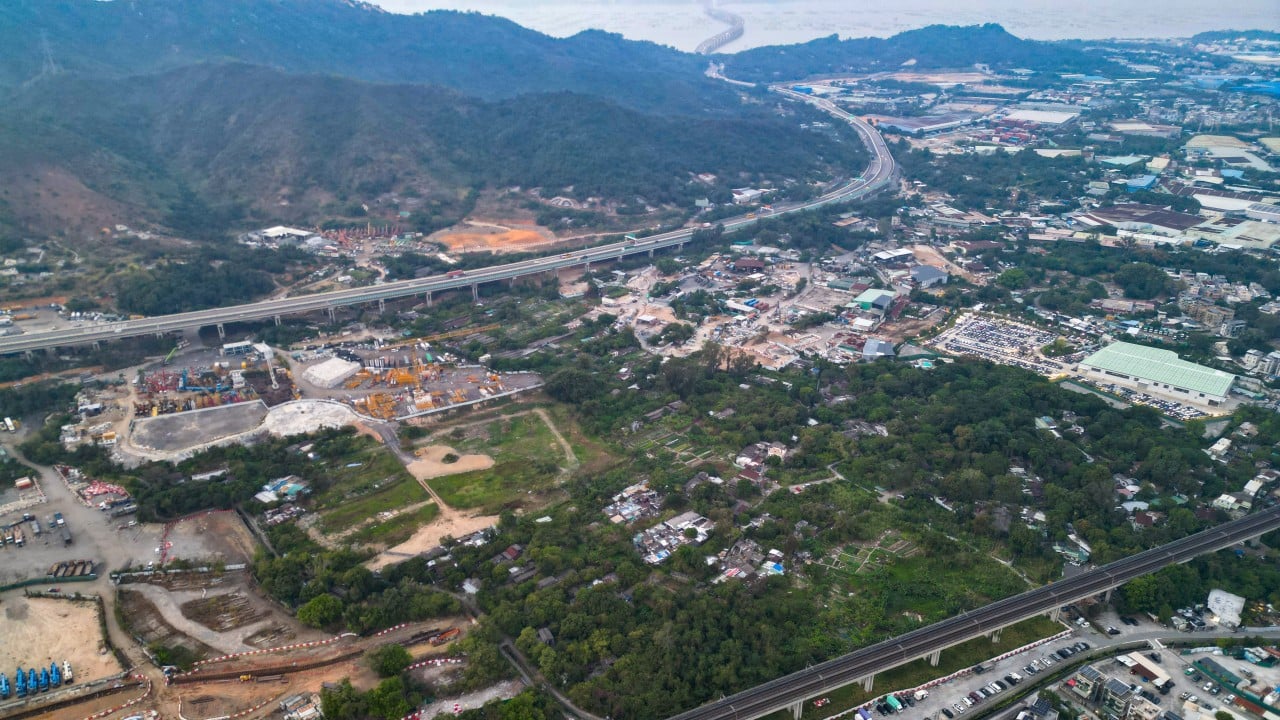
Hong Kong property developers aren't playing the same game anymore. When the government rolled out the red carpet for the very first land tender in the Northern Metropolis, market watchers expected a bidding frenzy. Instead, developers hit the brakes.
They played it safe. Some walked away entirely.
If you think this is just a random market blip, you're missing the bigger picture. This single tender exposes a fundamental mismatch between grand government visions and the cold, hard cash flow realities private builders face today. Let's look at why this happened, what the numbers actually tell us, and why the traditional Hong Kong property playbook is officially dead.
The Grand Vision Meets High Interest Rates
City planners designed the Northern Metropolis to transform the border zone into an economic engine. It's supposed to house millions, integrate with Shenzhen, and power the next decade of growth. But blueprints don't pay construction bills.
Interest rates remain stubborn. Financing costs are high. When developers look at a massive, multi-year infrastructure project on the edge of the city, they calculate risk differently now.
Gone are the days of aggressive, speculative land banking. Developers are hoarding cash. They want immediate returns, low development hurdles, and guaranteed demand. Pumping billions into a greenfield site miles away from the established urban core? That looks like a massive gamble rather than a safe bet.
What the First Tender Actually Revealed
Let's look at the actual transaction data. The first residential site tendered in Ping Che or surrounding pilot zones didn't trigger a stampede of aggressive bids. Participation was thin. Winning margins were tight.
Developers are dealing with high inventory levels across existing projects. Thousands of completed flats sit unsold across the city. Why build more expensive units in an untested northern frontier when you can barely clear your current stock in established neighborhoods?
This creates a vicious feedback loop. The government wants speed. Developers want safety. Until those two priorities align, future tenders in the area are going to face serious headwinds.
The Infrastructure Problem Nobody Wants to Talk About
Building houses is the easy part. Connecting them to the rest of the city is where budgets balloon and timelines break.
Right now, transport links between the urban core and the Northern Metropolis are still conceptual or under heavy construction. Commuters aren't going to move north if it takes two hours to reach Central.
Developers know this. They factored the lack of immediate mass transit into their bidding calculations. If the government expects private capital to fund this expansion, officials need to accelerate transport infrastructure before putting more land on the block. Expecting builders to wait a decade for a subway line is a losing strategy.
What Needs to Change Right Now
If Hong Kong wants the Northern Metropolis to succeed, the current development model has to evolve.
First, flexibility is mandatory. Rigid tender conditions don't work in a volatile market. Officials must offer modular zoning laws and financial buffers that protect builders from sudden macro shocks.
Second, public-private partnerships need a complete redesign. The old way of dumping raw land onto private developers and hoping for the best is finished. The government must share the infrastructural risk upfront.
Stop treating land sales purely as a government revenue machine. Lower the entry barriers, share the burden of mass transit development, and give the private sector a real reason to believe in the northern timeline.
The market has spoken. Listen to it before the next tender hits a brick wall.