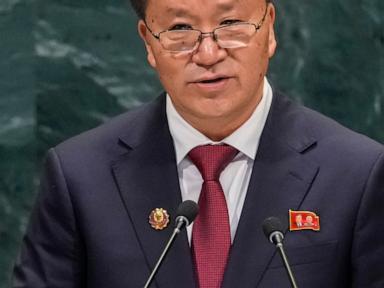
Every single year, diplomats pack into the General Assembly hall in New York, adjust their translation headphones, and wait for the routine. A representative from Pyongyang steps up to the podium, delivers a measured, almost academic speech about mutual distrust, hostility, and the urgent need for peace, and the international press corps loses its mind. Headlines roll out across the globe lamenting a missed opportunity for dialogue, parsing every adjective for signs of a thaw, and treating a scripted propaganda broadcast like an olive branch.
It is an exhausting charade. For an alternative view, read: this related article.
The conventional narrative insists that North Korea is simply misunderstood, trapped in a cycle of security dilemmas and historical grievances manufactured by outside powers. If only Washington would drop its hostile policy, the argument goes, Pyongyang would happily dismantle its nuclear arsenal and join the community of nations. This view treats a totalitarian regime as a reluctant wallflower waiting to be asked to dance.
The reality is far more cynical and much simpler to understand if you stop listening to the words and start looking at the incentives. Similar coverage on the subject has been published by NPR.
Decades of diplomatic history prove that speeches at the United Nations are not policy papers. They are leverage tools. When a state facing crushing economic sanctions talks about mutual distrust from the world's most prominent diplomatic stage, it is not signaling a desire for compromise. It is buying time, shifting blame, and driving a wedge between allies who prefer hard deterrence and those who prefer endless, fruitless talks.
Consider the mechanics of the game. Every cycle of tension followed by mild rhetoric followed by stalled negotiations follows a predictable financial and political logic. Sanctions bite, internal resources run thin, and the regime needs breathing room. A moderate speech lowers the temperature just enough to soften enforcement or entice humanitarian aid without conceding a single gram of enriched uranium or a single missile launchpad.
We have watched this movie for thirty years. Analysts who should know better dissect transcripts of speeches as if they were ancient texts holding secret codes for peace. Meanwhile, the testing facilities keep humming, the cyber theft operations keep funding the black-market supply chains, and the domestic population remains locked behind ironclad internal controls. The speech is the smoke. The military buildup is the fire.
To break out of this trap, observers have to abandon the comforting fiction that diplomacy is a universal solvent. Not every actor at the negotiating table wants an agreement. Some want the process of negotiating itself because the process confers legitimacy, normalizes their status as a nuclear power, and delays the consequences of their actions.
Stop treating tactical PR exercises as strategic shifts. When a regime that treats human rights violations as state policy lectures the international community on trust, the correct response is not deeper analysis of their emotional state. It is strict, unyielding adherence to deterrence and accountability. Anything else is just performance art, and we have paid for tickets to this show for far too long.