The hum is the first thing you miss.
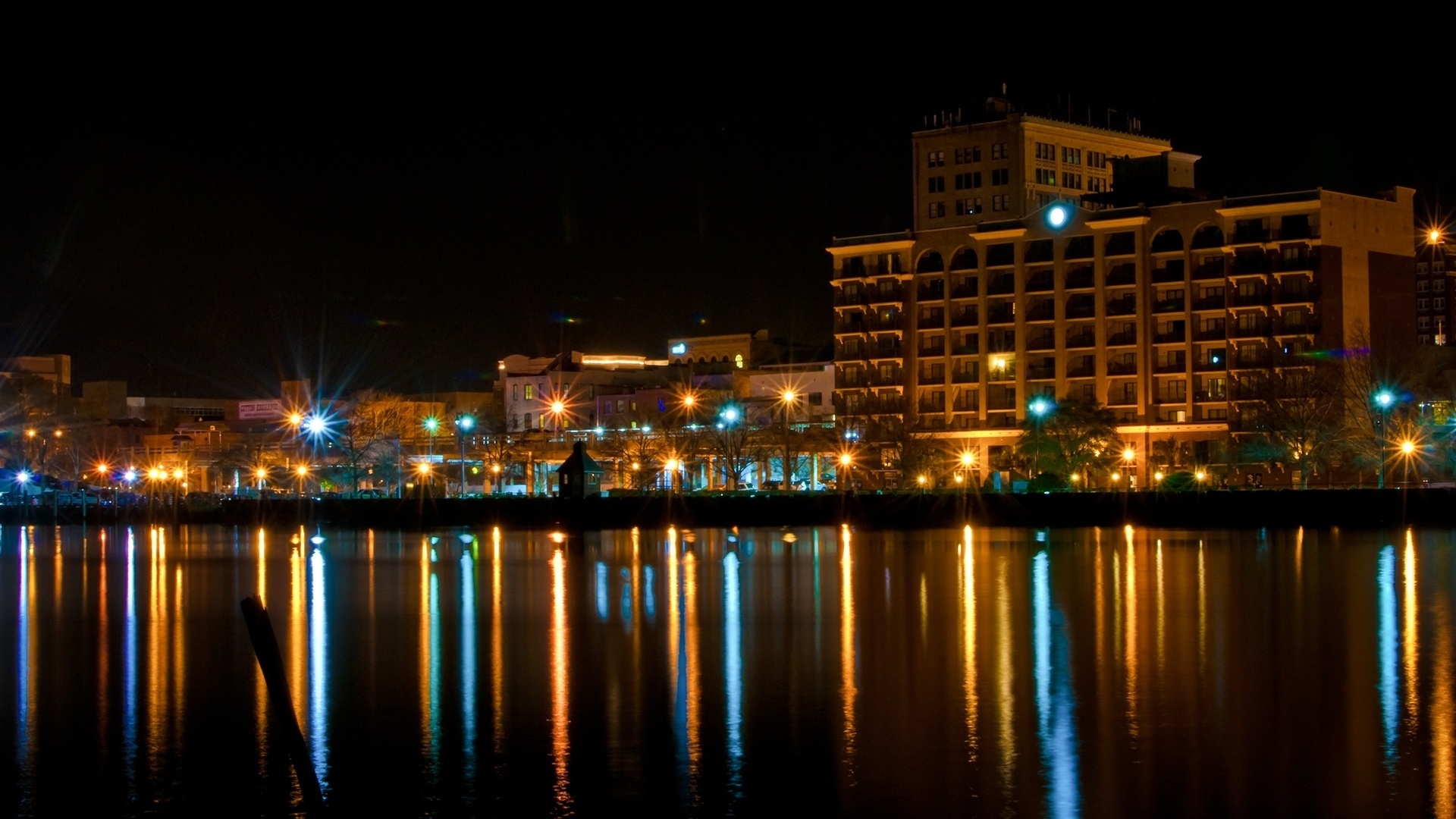
In a city of 15 million people, silence is never natural. It is an intruder. When the ceiling fan slows to a rhythmic, clicking halt and the distant roar of the neighborhood’s collective air conditioning units dies into a heavy, humid stillness, you know the grid has surrendered.
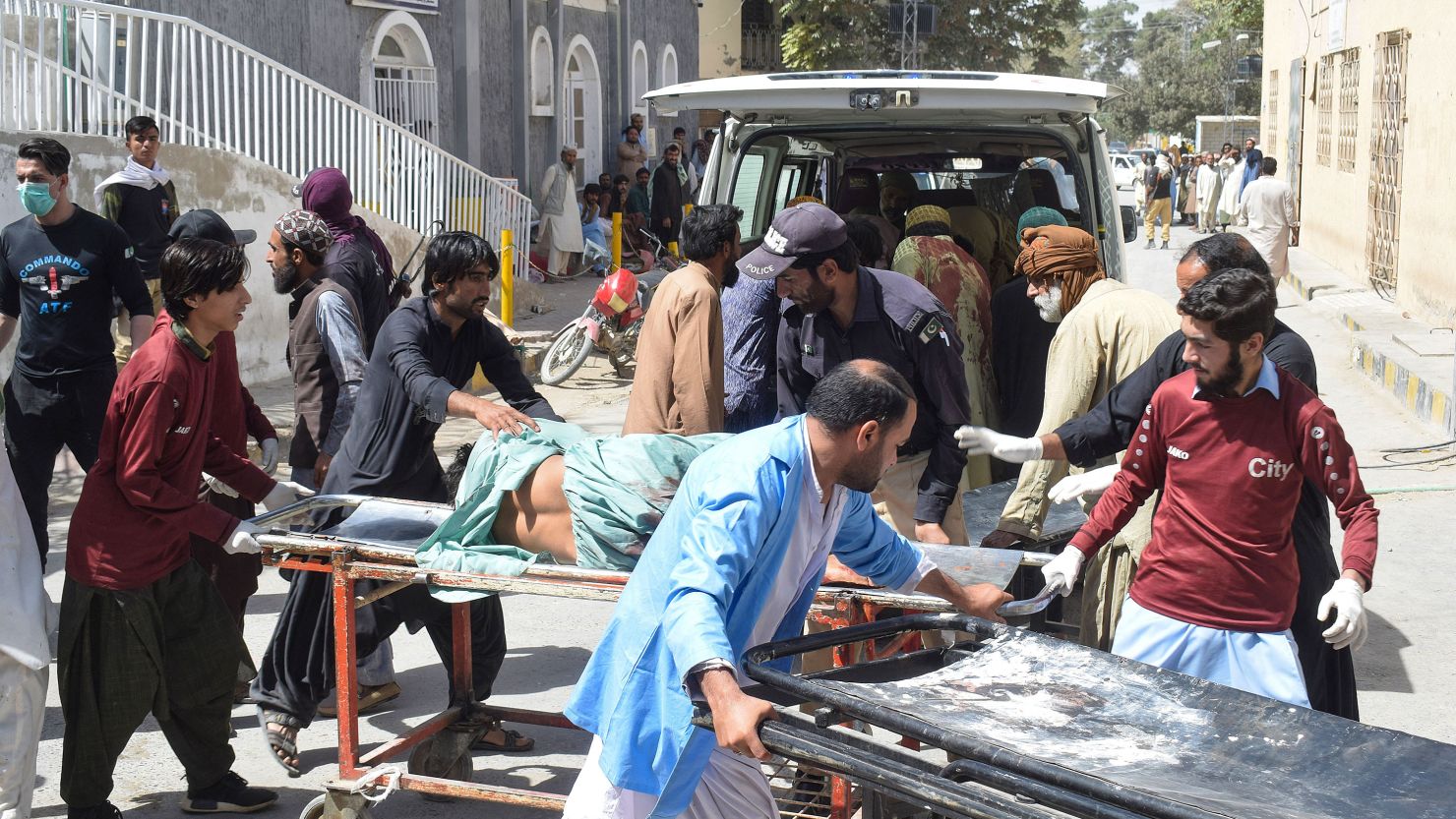
In Karachi, this isn’t just an inconvenience. It is a calculated casualty of a war happening a thousand miles away.
While tankers navigate the treacherous, jagged geography of the Strait of Hormuz, dodging drones and avoiding the gaze of naval destroyers, the fallout isn’t just measured in fluctuating crude prices on a Bloomberg terminal. It is measured in the rising body heat of a child in a darkened apartment in Sindh. It is measured in the desperate eyes of a small shopkeeper watching his inventory of dairy and meat turn to poison in a warm freezer.
Pakistan is a country built on a fragile energy tether. When the Persian Gulf twitches, Pakistan bleeds.
The Geography of a Fragile Wire
To understand why a skirmish in the Gulf plunges a home in Lahore into darkness, you have to look at the plumbing of the planet. Pakistan’s energy mix is a precarious house of cards, heavily reliant on Liquified Natural Gas (LNG).
Imagine a massive, invisible straw stretching from the gas fields of Qatar and the ports of the Gulf directly into the belly of Pakistan’s power plants. Over the last decade, the nation pivoted away from dirty fuel oils and toward LNG, promised as a cleaner, more efficient bridge to the future. It was a logical choice on paper. But paper doesn't account for the volatility of human conflict.
Most of this gas must pass through the Strait of Hormuz. It is a narrow choke point, a literal neck of the woods for the world’s energy supply. When tensions flare between regional powers or a tanker is seized, the insurance premiums for those vessels don't just rise—they explode.
Consider the "Risk Premium." For a country like Pakistan, which operates on razor-thin foreign exchange reserves, a 10% or 20% spike in the cost of a single LNG cargo is a catastrophe. They aren't just paying for the gas; they are paying for the fear that the gas might never arrive.
Meet Ahmed’s Generator
Ahmed runs a small printing press in a crowded alleyway in Rawalpindi. He is a hypothetical man, but he represents a million very real bank accounts.
When the national grid fails because the government cannot afford to buy the spot-market LNG cargoes needed to keep the turbines spinning, Ahmed reaches for his "Plan B." It is a small, gasoline-powered generator that sits on the sidewalk, coughing blue smoke into the faces of passersby.
"The grid is for the lucky," Ahmed might tell you if you could hear him over the mechanical scream of the engine.
But here is the irony: the fuel he puts into that generator is also an import. As the Persian Gulf becomes a theater of war, the price of that gasoline climbs alongside the price of the LNG the government couldn't buy. Ahmed is squeezed from both ends. He pays more for the backup than he ever did for the primary source, and his profit margins—the money meant for his daughter’s school fees or his mother’s heart medication—evaporate into the hot Pindi air.
This is the hidden tax of geopolitical instability. It is a regressive tax, falling hardest on those who can least afford to insulate themselves from the shockwaves of global statecraft.
The LNG Auction of Despair
There is a cold, mathematical cruelty to the global energy market. When supply tightened following the invasion of Ukraine and subsequent Middle Eastern tensions, Europe did what any wealthy neighbor does: they outbid everyone else.
Pakistan found itself in a bidding war against the giants of the European Union. It was a middleweight fighter stepping into the ring with a heavyweight fueled by Euros. Shipments that were originally destined for Pakistani ports were diverted mid-ocean because a buyer in Germany or Italy offered a higher price, plus the cost of the contract-breaking penalty.
The suppliers looked at the ledgers and made a simple choice. They chose the profit.
Pakistan was left holding empty contracts and staring at darkened maps. This isn't just a business failure; it's a systemic vulnerability. When a nation relies on the "spot market"—buying what you need right now at whatever price the world demands—you are at the mercy of the most violent person in the room.
The Physics of Heat and Rage
Energy is not an abstract commodity. It is the baseline of civilization. Without it, the water pumps stop working. In a country where summer temperatures regularly push past 45°C (113°F), water is life.
When the power goes out, the pumps fail. When the pumps fail, the thirst begins.
This creates a psychological pressure cooker. Chronic "load shedding"—the polite term for rolling blackouts—acts as a slow-motion wrecking ball to the national psyche. You see it in the protests that erupt in the streets of Karachi, where tires are burned and stones are thrown at the offices of utility companies.
The people aren't just angry about the heat. They are angry at the realization that their daily survival is a secondary thought to the naval maneuvers of foreign powers. They feel the weight of a global system that values a barrel of oil more than a night of sleep.
The Debt Trap in the Dark
The financial reality is even grimmer. Pakistan’s energy sector is plagued by what economists call "Circular Debt."
It works like this: The government buys expensive fuel to make electricity. They sell that electricity to the people at a subsidized rate because the true cost would cause a revolution. But many people can't pay, or the infrastructure is so old that the power leaks out of the wires before it hits a house. The government then can't pay the power producers, who then can't pay the fuel suppliers.
The debt grows like a shadow.
When a war in the Gulf drives up the price of that initial fuel, the circular debt doesn't just grow—it lunges forward. It swallows the national budget, leaving nothing for schools, nothing for hospitals, and nothing for the very renewable energy infrastructure that could eventually break this cycle of dependency.
Pakistan is currently trapped in a loop where it must borrow money from the IMF to pay for the fuel it needs to keep the lights on, only to find that the interest on those loans makes it even harder to buy fuel the next time.
The Solar Mirage
Many point to solar as the savior. And on the roofs of the wealthy in Islamabad, you see the blue-black shimmer of silicon panels. For the elite, the Persian Gulf is a distant concern. They have decoupled from the grid.
But for the factory worker, for the street hawker, for the nurse in a public ward, solar is a luxury they cannot finance.
This creates a "two-tier" society: those who can afford to buy their way out of the darkness, and those who are forced to live in it. The energy crisis is widening the class divide in ways that are far more permanent than simple income statistics. It is a divide between those who can keep their children cool enough to study, and those whose children are too exhausted by the heat to learn.
The Invisible Stakes
We often talk about the "domino effect" in geopolitics. Usually, we mean one government falling after another. But the real domino effect is more intimate.
It starts with a drone strike on a refinery in Saudi Arabia or a missile launched from a Yemeni hillside. It travels through the high-frequency trading floors of London and New York. It settles in the treasury of a developing nation. And it ends in the dark, in a small room where a father fans his sleeping infant with a piece of cardboard, praying for a breeze that never comes.
The stakes are not just "market stability" or "regional hegemony." The stakes are the fundamental dignity of a billion people who are being asked to pay the price for a conflict they didn't start and cannot stop.
The world looks at the Persian Gulf and sees a chessboard. Pakistan looks at the Persian Gulf and sees a flickering bulb.
The lights will eventually come back on, for an hour or two. The hum will return, the fan will spin, and the city will breathe a collective, temporary sigh of relief. But everyone knows the silence is waiting just over the horizon, carried on the back of the next tanker that fails to make its turn through the Strait.
In the dark, you realize that independence is an illusion when your pulse is tied to a pipeline.