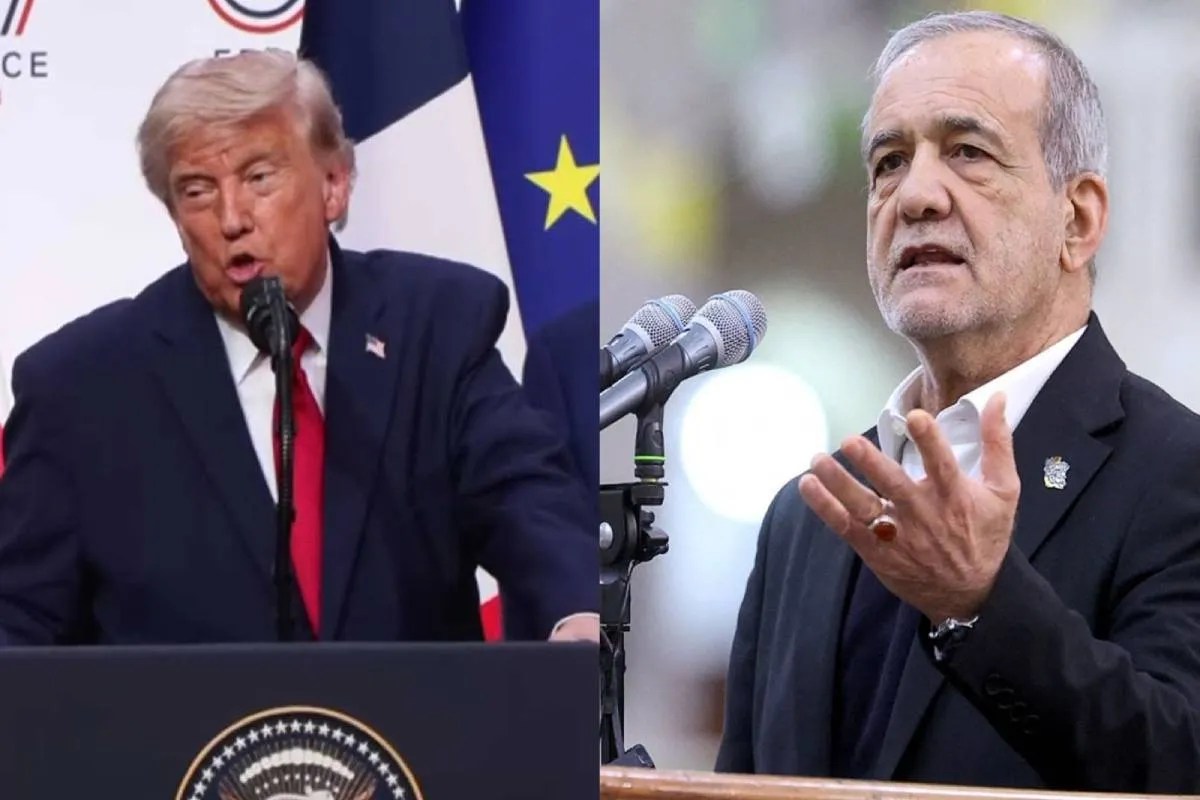
The headlines are screaming about a historic breakthrough between Washington and Tehran. After months of devastating conflict, a fresh Memorandum of Understanding (MoU) signed in France has effectively halted the immediate threat of war. But the real frenzy isn't just about the ceasefire. It's about the staggering amount of money back on the table.
People want to know why a massive cash flow, including billions in frozen assets and talks of a multi-billion dollar rebuild fund, is suddenly shifting toward Iran. Is America just handing over cash? Are the crushing sanctions completely dead?
Let's cut through the political noise and look at exactly what's happening on the ground, what this deal actually triggers, and why the global economy is watching the clock.
The Reality Behind the Money Flow
Let's clear up the biggest misconception right away. Washington isn't writing a blank check using American taxpayer money to reward Tehran. The immediate financial relief comes from a completely different mechanism, primarily the unfreezing of Iran's own money held in foreign banks due to past sanctions. Estimates on these initial released assets hover around $24 billion to $50 billion depending on banking access speeds.
On top of that, political debates in Congress are heating up over a proposed $300 billion reconstruction fund meant to rebuild after the recent military hostilities. Critics are furious, comparing it heavily to past diplomatic efforts under previous administrations. But the Trump administration has already specified that the U.S. won't be funding this directly out of its own pocket. Instead, the money will rely on complex international frameworks, joint accounts, and frozen asset pools.
The immediate game-changer for Tehran isn't a direct cash injection. It's oil. The interim agreement waives critical U.S.-backed sanctions on Iranian crude and petrochemical exports. Iran can now openly sell its oil on the global market, providing an instant, massive revenue stream to an economy that was practically choking under maximum pressure campaigns.
The Catch of the 60 Day Clock
Don't think for a second that this is a permanent peace treaty. It's a highly fragile bridge. The signed MoU is an interim agreement that essentially buys exactly 60 days for negotiators to hammer out a permanent framework.
The biggest point of leverage revolves around the Strait of Hormuz. Iran agreed to reopen this vital maritime chokepoint immediately, allowing global oil and gas tankers to pass through safely without additional tolls. But here's the catch hidden in the text. That zero-fee guarantee lasts for precisely 60 days. If a permanent deal falls apart, Tehran can technically start slapping heavy transit fees on international shipping, a move that would immediately spike global energy costs and disrupt maritime trade.
Are the Sanctions Actually Gone
The short answer is no. They're just hitting a temporary pause button.
The U.S. has agreed to waive specific oil and banking restrictions to keep the peace talks alive, but the core sanctions architecture remains fully intact. This means a few crucial things for international businesses and political observers:
- Conditional Relief: The waivers are tied directly to Iran's behavior. The International Atomic Energy Agency (IAEA) is tasked with monitoring the downblending of Iran's highly enriched uranium stockpile. If Tehran fails to comply, the waivers vanish.
- Non-Nuclear Sanctions Stay: Crushing U.S. sanctions regarding ballistic missile development, regional proxy financing, and human rights violations aren't part of this waiver package. They remain active.
- The Threat of Snapback: The administration has made it clear that if negotiators don't like how the talks are progressing, the military option and full economic isolation will return instantly.
The Regional Wildcard
The deal also touches a massive nerve in regional geopolitics, particularly regarding Lebanon and Israel. Part of the understanding requires a cessation of hostilities across multiple fronts and a commitment to Lebanon's territorial integrity following recent military incursions.
Tehran has pushed hard for a complete withdrawal of external forces from Lebanese territory as part of the broader peace terms. However, regional realities are messy. Israeli leadership has openly expressed deep skepticism regarding the parameters of this U.S.-led diplomatic push, creating a fractured front between Washington and its closest regional ally.
Furthermore, the domestic political fallout within Iran is just beginning. The agreement contains strict clauses about mutual respect for sovereignty and non-interference in domestic affairs. For Iranian anti-government factions and diaspora groups who hoped external pressure would force systemic political shifts in Tehran, this clause feels like a massive step backward.
What Happens Right Now
If you're trying to figure out how this impacts the real world today, keep your eyes on two specific markers over the next few weeks.
First, track global oil prices and shipping data through the Strait of Hormuz. The immediate easing of supply lines should offer a brief sigh of relief to energy markets, but volatility will return the moment negotiators hit a roadblock.
Second, watch the IAEA inspectors. Their access to Iranian nuclear sites and their upcoming verification reports will be the ultimate litmus test. If the inspectors report compliance issues, the 60-day clock won't even make it to the finish line before the sanctions snap back into place and the economic doors slam shut once again.


