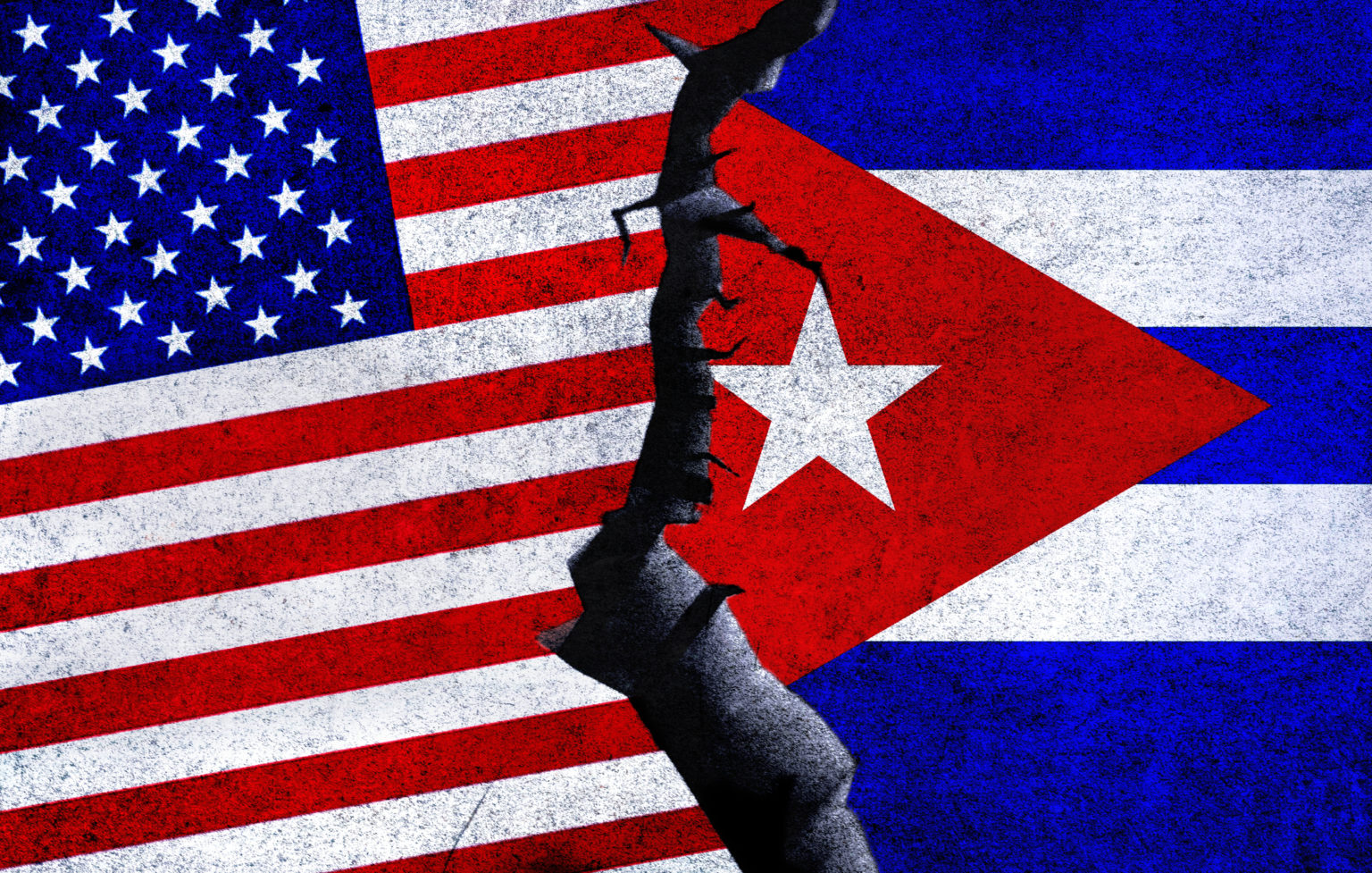
The lights are going out across Cuba, and this time, it isn't just a faulty transformer or a passing storm. It’s a calculated, high-stakes squeeze from Washington that has UN experts using a terrifying new term: "energy starvation." On May 1, 2026, the US government didn't just tweak a few rules; it effectively redrew the map of global trade around the Caribbean.
If you think this is just another round of the same old embargo we’ve seen since the sixties, you're missing the point. This new Executive Order (EO 14404) is a different beast entirely. It introduces secondary sanctions that target anyone—anywhere in the world—doing business with Cuba’s energy, finance, or mining sectors. Essentially, the US told the rest of the world: "Choose between the Cuban market and the US dollar." For most, that isn't even a choice.
The Reality of Energy Starvation
UN experts in Geneva aren't known for hyperbole. When they warn that Cuba is being subjected to "energy starvation," they’re describing a country where the basic mechanics of modern life are seizing up. We're talking about 18 to 20-hour blackouts. We're talking about surgeons performing operations by the light of cell phone screens and parents unable to find refrigerated milk for their kids.
The January 2026 fuel blockade was the first punch. It imposed heavy tariffs on any country sending oil to the island. Now, the May 1 order is the knockout blow. It doesn't just make oil more expensive; it makes it legally radioactive for foreign shipping companies and banks to touch it.
I've seen how these policy shifts play out on the ground. When a hospital loses power, it's not just the lights that go. The water pumps stop. The sewage systems fail. The UN reports a backlog of 96,000 surgeries, including 11,000 for children. This isn't just "economic pressure." It’s a systematic dismantling of a nation's ability to function.
How the Secondary Sanctions Trap Works
The genius—and the cruelty—of the new US strategy lies in its "secondary" nature. In the past, if a Mexican or Spanish company wanted to trade with Cuba using their own currency and their own ships, the US had limited ways to stop them.
Not anymore. Under the new rules, the US Treasury can now:
- Freeze any US-based assets of a foreign company trading with Cuba’s energy sector.
- Cut off foreign banks from the US dollar clearing system if they process Cuban transactions.
- Sanction foreign individuals who provide "material support" to the Cuban government's security or economic apparatus.
Take the case of PEMEX, Mexico's state oil giant. Before these measures, they were sending roughly 15,000 barrels of crude a day to Havana. After the January tariff threats and the May sanctions, those shipments have largely evaporated. Even when Russia tries to fill the gap, the logistics are a nightmare because no international tanker company wants to risk being blacklisted by OFAC (the Office of Foreign Assets Control).
The National Security Argument vs Human Rights
Washington claims these moves are necessary to protect US national security. They argue that Cuba has become a "platform for foreign intelligence and terror operations" just 90 miles from Florida. They point to the Cuban military’s control over 40% of the economy through the GAESA conglomerate as proof that any money entering the island only fuels repression.
But UN human rights experts aren't buying it. They’ve been blunt: the US hasn't actually shown how Cuba poses an "unusual and extraordinary threat" to American soil. Instead, they see a "unilateral coercive measure" that amounts to collective punishment.
It’s a classic geopolitical tug-of-war. On one side, you have the "maximum pressure" advocates who believe the regime will collapse if the pain gets high enough. On the other, you have humanitarian workers seeing a population pushed into a pre-industrial existence. Honestly, the idea that a starving population will spontaneously create a stable democracy is a theory that has failed almost everywhere it's been tried.
What This Means for Global Business
If you're an executive at a foreign financial institution or an energy firm, the message is loud and clear: Cuba is a "no-go" zone. The "rebranding" of subsidiaries doesn't work. The US has made it clear they'll look past corporate structures to the "operational function" of the business.
Even humanitarian aid is getting caught in the crossfire. The UN has a $94 million plan to deliver life-saving aid to 2 million Cubans, but they've only raised a quarter of that. Why? Because banks are too scared to transfer the funds. The "compliance chill" is real, and it’s freezing out the very people the policy claims to want to help.
Where Cuba Goes from Here
The island is at a breaking point. With Venezuela's oil supply largely cut off and the US blockade tightening, the Cuban government is desperately trying to pivot to solar power and private-sector solutions. But you can't run a national grid on a few solar panels overnight.
The immediate future looks like more rationing, more blackouts, and likely more migration. When people can't cook, wash, or work, they leave. We've seen this movie before, but the 2026 version has a much darker ending if the energy crisis isn't addressed.
Practical Steps for Those Following the Crisis
- Monitor OFAC Updates: If you're involved in Caribbean trade, the SDN (Specially Designated Nationals) list is now your daily reading. New designations are coming out weekly.
- Watch the "Secondary" Ripple Effects: Look at how countries like Mexico, Canada, and Spain respond. Will they enact "blocking statutes" to protect their companies, or will they quietly pull out of Cuba to save their US interests?
- Humanitarian Channels: If you’re looking to provide aid, work only through established international bodies like the World Food Programme (WFP), which have specific, though limited, carve-outs for "life-saving aid."
- Energy Diversification: For businesses still operating on the island, the only path forward is total energy independence—think decentralized solar and battery storage that doesn't rely on the collapsing national grid.
The "energy starvation" of Cuba isn't an accident. It's the goal. Whether it leads to political change or a total humanitarian collapse is the question the world is currently waiting to see answered.