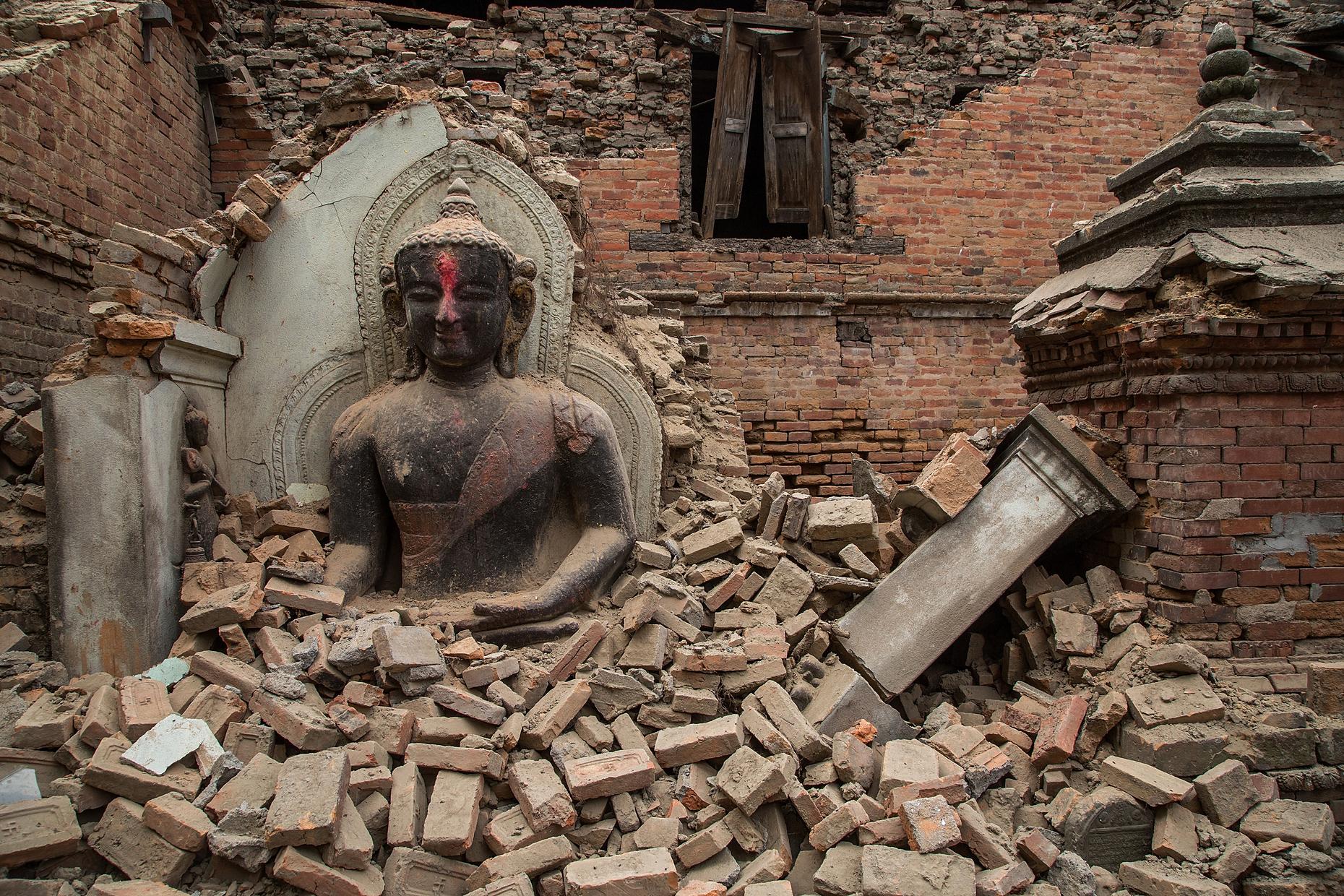
The return of a 13th-century seated Shakyamuni Buddha to Kathmandu from New York is being hailed as a triumph of cultural diplomacy. It is not. While the celebratory incense at the Itum Bahal monastery masks the stench of decades of systematic theft, the arrival of this single gilded copper figure highlights a much more uncomfortable reality. Nepal remains a crime scene where the evidence is slowly being mailed back, one box at a time, while the masterminds of the original heist remain largely untouched and the legal frameworks meant to protect global heritage remain toothless.
This specific Buddha, stolen in the late 1970s and eventually surfacing in the collection of a Manhattan billionaire, is part of a massive exodus of faith. Between the 1960s and 1990s, Nepal was effectively hollowed out. Statues that had been kissed by devotees for eight hundred years were ripped from their pedestals with crowbars, crated up, and shipped to the living rooms of the Upper East Side. The return of one statue is a drop of water in a parched ocean.
The Mechanics of a Holy Heist
To understand how a three hundred pound bronze deity moves from a remote Himalayan shrine to a climate-controlled gallery in Midtown, you have to look at the logistics of silence. This was never a disorganized scramble by local thieves. It was a sophisticated pipeline.
The process usually began with local scouts who identified pieces that were both historically significant and physically portable. These scouts worked for middlemen in Kathmandu, who in turn had direct lines to "legitimate" art dealers in Hong Kong, London, and New York. The 13th-century Buddha followed this exact trajectory. Once it left Nepalese soil, it entered the "laundering" phase.
Forged provenance papers are the oxygen of the illicit art trade. A statue stolen in 1978 might spend a decade in a private collection in Switzerland, long enough for the trail to go cold, before appearing at a major auction house with a vague description like "From a private European collection, acquired prior to 1970." That magical 1970 date refers to the UNESCO Convention on the Means of Prohibiting and Preventing the Illicit Import, Export and Transfer of Ownership of Cultural Property. Anything that can be proven to have been out of its country of origin before that year is generally considered "fair game" for collectors.
The Myth of the Good Faith Collector
For years, the narrative in the art world was built on the idea of the "clueless collector." The story went that wealthy philanthropists were simply buying beautiful things to preserve them, unaware that they were fueled by desecration. This defense is no longer credible.
When a 13th-century Buddha with distinct Himalayan iconography and evidence of ritual wear appears on the market without a clear, documented chain of custody, any sophisticated buyer knows exactly what they are looking at. They are looking at loot. The Manhattan District Attorney’s Office, which has become the de facto global police force for antiquities, has proven that many of these collectors and the museums that benefit from their donations ignored glaring red flags for decades.
In the case of the Shakyamuni Buddha returned to Itum Bahal, the piece was part of the estate of a well-known collector. It sat in plain sight. The tragedy of the Nepalese situation is that the gods were never hidden; they were displayed as trophies of "refined taste" while the communities they were stolen from suffered a spiritual vacuum.
Why Restitution is Not Reparation
Government officials in Kathmandu are quick to pose for photos with returned artifacts. It is an easy political win. However, the infrastructure for actually protecting these items once they return is catastrophically underfunded.
Returning a million-dollar statue to a monastery that lacks a basic security system is an invitation for a second theft. Many returned items end up locked away in the vaults of the National Museum of Nepal, hidden from the public and the worshippers for whom they were created. This creates a secondary theft: the theft of access. If a Buddha is returned to Nepal but kept in a steel crate in a basement because it is too valuable to be displayed safely, has it actually been "returned" to the people?
The Security Vacuum
- Lack of Digital Inventory: Most rural shrines in Nepal still have no photographic record of their heritage. When a piece is stolen, there is no "wanted poster" to send to Interpol.
- The Poverty Factor: The middlemen pay local thieves sums that represent years of honest labor. Until the economic incentive is addressed, the flow will continue.
- Museum vs. Living Culture: Western museums argue they are "universal" spaces. Nepal argues these are living deities. When they return, they often fall into a limbo between being an "art object" and a "god."
The Legal Black Hole
The international community relies heavily on the 1970 UNESCO Convention, but this treaty is not retroactive. It does nothing to address the thousands of pieces stolen in the mid-20th century that are now firmly entrenched in private hands.
The burden of proof remains almost entirely on the victimized nation. Nepal must prove the item was stolen from a specific site on a specific date. In a country where records were historically kept by oral tradition or temple priests who have since passed away, this is a legal mountain that is nearly impossible to climb.
The New York District Attorney’s office has shifted the needle by using criminal possession laws rather than international treaties. By treating stolen art as "stolen property" no different than a hijacked car or a boosted watch, they have bypassed the bureaucratic sludge of the State Department. But New York cannot police the world. There are thousands of Nepalese artifacts currently in private collections in Tokyo, Paris, and Dubai where the legal appetite for seizure is non-existent.
The Cost of Spiritual Erasure
We often discuss these returns in terms of "cultural property," a clinical term that strips the objects of their soul. For the residents of Kathmandu’s old city, these are not properties. They are the anchors of their community.
When the Shakyamuni Buddha was stolen from Itum Bahal, it wasn't just a loss of metal; it was the breaking of a ritual cycle that had survived for eight hundred years. The festivals changed. The prayers felt hollow. The community's link to its ancestors was severed with a hacksaw.
The celebration of its return is genuine, but it is tinged with the knowledge that thousands of other empty plinths remain scattered across the valley. The "return" of one statue provides a convenient narrative of progress for the American institutions looking to clean their image, but for Nepal, it is a reminder of how much is still missing.
The Path Forward is Not a Photo Op
If we are serious about ending the era of plunder, the focus must shift from the occasional high-profile return to a total embargo on unprovenanced antiquities. The art market continues to treat "provenance unknown" as a minor clerical error rather than a disqualifying red flag.
Museums must move beyond the "return and forget" model. True restitution involves funding the security and conservation of the items in their home countries. It involves creating digital archives that make stolen goods impossible to sell. It involves admitting that the "universal museum" was often just a warehouse for the spoils of a lopsided world order.
The 13th-century Buddha is back in Kathmandu. He is home, but he is a witness to a crime that is still being committed every time an auction house hammers down on a piece of "Himalayan art" with a murky past.
Demand a full audit of every Himalayan artifact in public collections. The age of the "clueless collector" is over; the age of accountability is overdue.