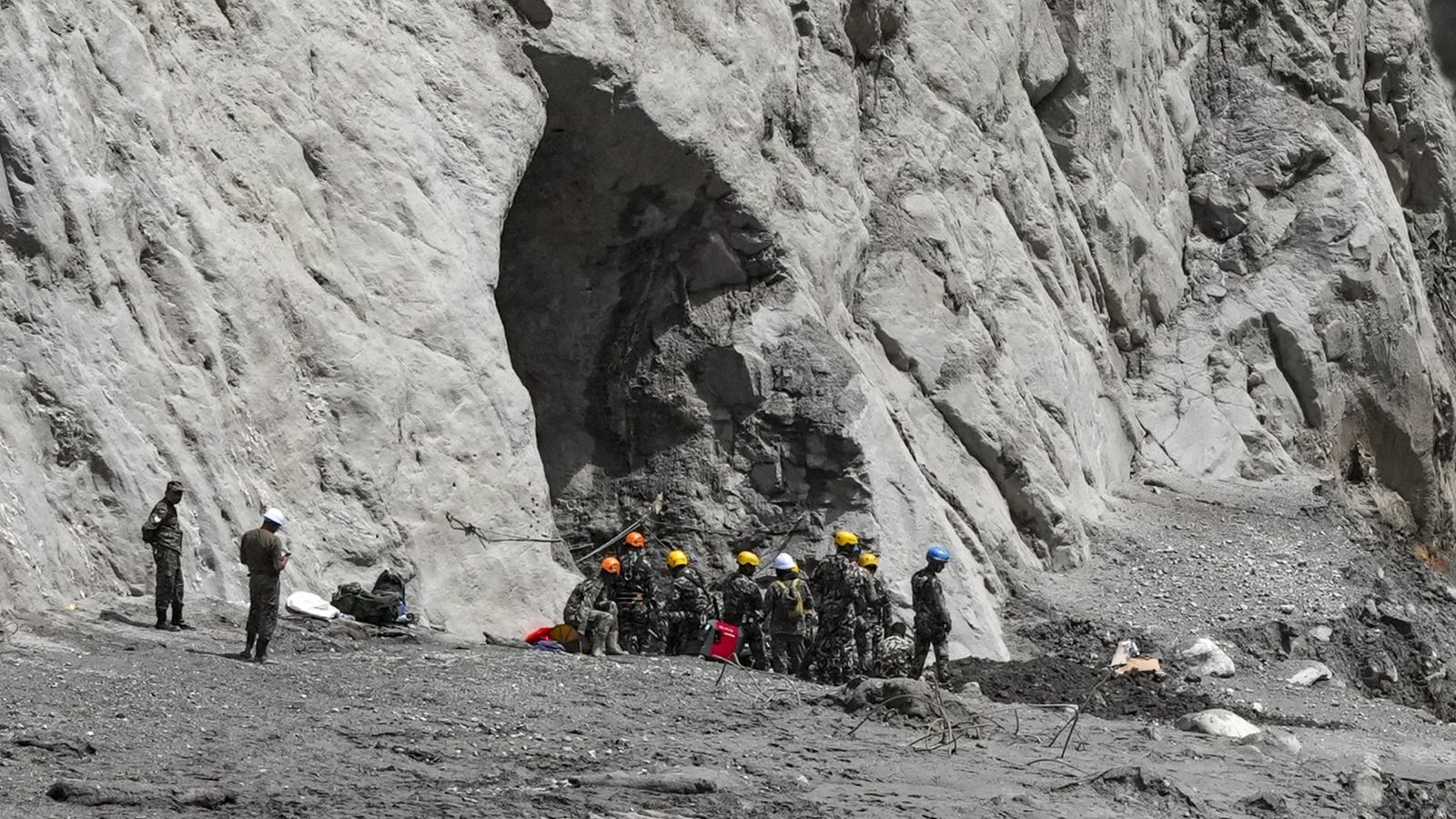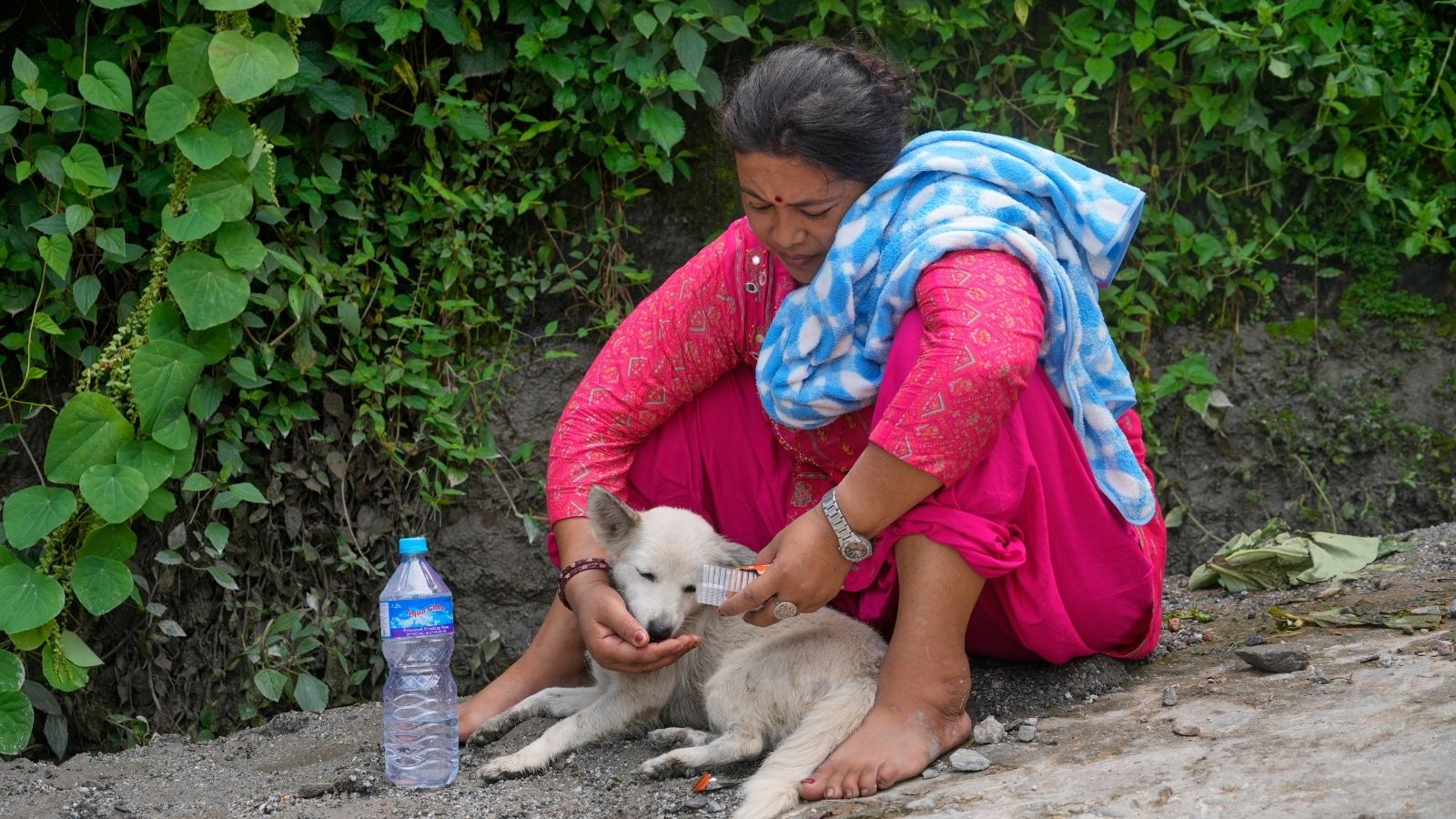
The monsoon does not negotiate. When the hills break down under weeks of unyielding water, the fury moves through the valleys as a wall of heavy grey slurry. It strips away topsoil, tears through concrete foundations, and erases the quiet labor of years in a matter of minutes. In the wake of the latest catastrophic Nepal floods, viral news cycles locked onto a strange, comforting vignette. A missing dog walked back through the mud, and a farmer stoically began washing caked grains of corn one by one. The internet called it a miracle.
That framing is a luxury of distance.
For the people standing ankle-deep in silt across the affected districts, there was no miracle. There was only the brutal, unforgiving arithmetic of survival. When your harvest is buried and your livestock is scattered, sentimentality is a secondary priority to calories. Understanding what actually happens after the cameras pack up and leave requires looking past the heartwarming social media clips. We have to examine the systemic vulnerabilities of agrarian households facing climate collapse in the Himalayas.
The Reality Behind the Mud
Flooding in South Asia is an annual certainty, but the intensity and unpredictability of recent weather events have shifted past historical baselines. Himalayan topography magnifies every drop of rain. Deforested slopes, unmitigated road construction, and shifting monsoon jet streams create flash floods that carry massive debris loads.
When that slurry hits agricultural land, it leaves behind something far worse than water. It leaves sand, gravel, and heavy chemical residue.
- Silt deposition often exceeds three feet in low-lying farming pockets.
- Traditional gravity-fed irrigation canals are routinely crushed or choked with boulders.
- Local seed stores kept in mud-brick granaries dissolve into unusable paste.
The image of a farmer washing individual kernels of corn tells a story of acute desperation rather than rural charm. When market access is severed by washed-out suspension bridges and blocked highways, every single grain salvaged represents the margin between hunger and the next harvest. If the corn rots, the family faces months of severe food insecurity before winter crops can be sown.
The Missing Dog and the Psychological Cost of Displacement
Amid the wreckage, stories of surviving pets offer an emotional anchor for a global audience desperate for good news. Animals possess an instinctive survival capacity that often outperforms human infrastructure during natural disasters. They scramble to higher ground, weather the initial crest, and wander back when the water recedes.
Yet, focusing entirely on animal reunions masks the profound mental health toll borne by rural communities.
Displacement in places like rural Nepal triggers cascading anxieties. Families lose their land deeds to shifting river channels. Property boundaries marked by stone walls vanish completely under new riverbeds, sparking bitter local land disputes that can last for generations. The psychological weight of watching your livelihood wash away down the Arun or the Koshi river is heavy. You cannot wash it off with a bucket of water.
Supply Chains on the Brink
The macro-level implications of these regional disasters extend far beyond individual homesteads. Nepal's domestic food supply relies heavily on localized terraced farming and the fragile Terai plains. When transport arteries like the Prithvi Highway or regional feeder roads collapse, national food distribution networks fracture.
Farmers who manage to salvage a fraction of their crops face crippled logistics. Fuel prices spike as transport trucks take multi-day detours around blocked mountain passes. Local middlemen capitalize on the desperation, offering depressed prices for damaged grain because they know the farmer cannot afford to haul it back home.
This is the hidden economy of catastrophe. Resilience in the mountains is not romantic; it is exhausting physical labor executed with broken tools under the threat of subsequent landslides.
Beyond the Viral Cycle
The news cycle operates on novelty. A dog returns, a crop is washed, a headline is generated, and the world scrolls to the next tragedy. But the farmer is still standing in the mud long after the internet loses interest.
True preparation requires shifting from reactive charity to structural defense. Reforestation initiatives must target vulnerable hillside zones. Early warning systems need to reach remote valley settlements via redundant communication channels that do not fail when local cell towers lose grid power. Grain storage must be elevated above historical flood lines, and agricultural insurance schemes must evolve to cover smallholder losses before entire communities are forced into permanent migration.
The next monsoon is already forming over the Bay of Bengal. The mud will dry, the corn will either feed a family or rot, and the hills will wait for the next heavy rain.