The air in Central smells of rain, sea salt, and a peculiar kind of electricity that only returns when the money starts moving again. For three years, that electricity felt like a flickering bulb in a dim hallway. The streets were there, the skyscrapers still scraped the clouds, but the heartbeat—that frantic, rhythmic thrum of capital seeking a home—was faint.
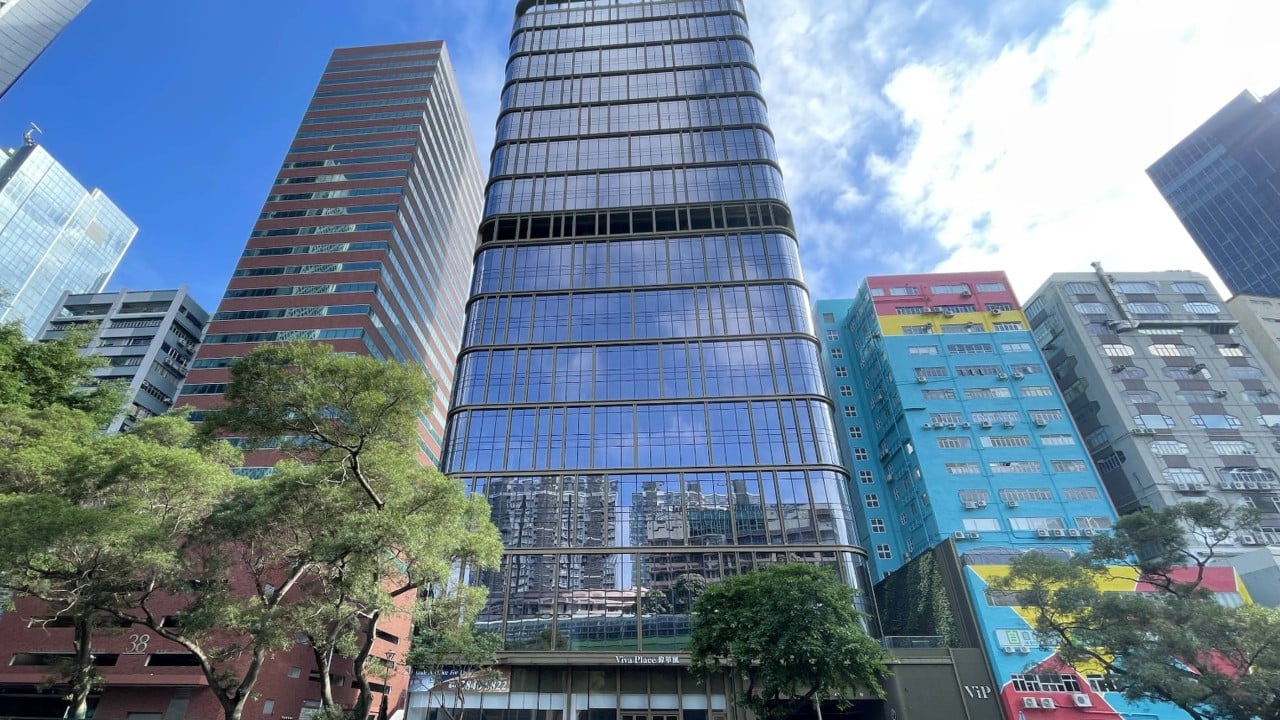
Li Wei stands on the 45th floor of a tower overlooking Victoria Harbour. He is a man who measures his life in basis points and square footage. For twenty-four months, he watched the skyline through a glass of lukewarm tea, seeing only "For Lease" signs and the grim reality of interest rates that had climbed too high, too fast. But this morning, the tea is hot. The phone is vibrating. The tide has turned.
What happened in Hong Kong this quarter wasn't just a statistical blip. It was a dam breaking.
The Cost of Waiting
To understand why investors are suddenly flooding back into the Hong Kong property market, you have to understand the agony of the pause. When the US Federal Reserve began its aggressive hike cycle, the Hong Kong Dollar—pegged firmly to the Greenback—followed suit. Suddenly, the cost of borrowing wasn't just a line item; it was a cage.
Investors like Li Wei didn't stop wanting to buy. They just couldn't justify the math. When your mortgage costs 5% and your rental yield is 3%, you aren't an investor. You are a philanthropist.
Then came the shift.
The Federal Reserve signaled a pivot. The cost of funding began its slow, deliberate descent. In the boardroom, this is called "spread compression." On the street, it's called breathing room. As the interbank rates softened, the math that had been broken for two years suddenly clicked back into place.
It is a delicate alchemy. A drop of half a percent in funding costs doesn't just save a few thousand dollars on a monthly payment. It changes the psychology of the entire city. It transforms "maybe next year" into "sign the contract today."
The Hungry Middle
While the titans of industry play with billions, the true story of this resurgence is found in the "New Hong Kongers."
Consider a hypothetical young professional named Sarah. She moved from the mainland three years ago under one of the government’s high-end talent schemes. She is brilliant, she is hardworking, and she has been living in a rented apartment in Kowloon, watching the market with the eyes of a hawk.
For a long time, Sarah was part of the "wait-and-see" brigade. But the government changed the rules of the game. They slashed the stamp duties—those punishing taxes that once acted as a firewall against foreign buyers and multiple-property owners.
Suddenly, the barrier to entry isn't a mountain; it’s a staircase.
Sarah represents a massive wave of pent-up demand. There are tens of thousands like her. These aren't speculators looking to flip a floor in a week. These are people putting down roots. When you combine cheaper money with a government that has effectively rolled out the red carpet, you get a stampede.
The volume of transactions didn't just rise; it soared. In the residential sector, the numbers are hitting highs we haven't seen in years. It is the sound of a thousand Sarahs deciding that Hong Kong isn't just where they work—it’s where they belong.
The Concrete Soul of Commercial Space
But what about the office towers? The skeptics will tell you that the "work from home" revolution killed the office. They will point to the empty cubicles in London or San Francisco.
Hong Kong is different.
In this city, space is the ultimate currency. Homes are small, and the culture is built on face-to-face friction. The office isn't just a desk; it’s the arena.
As funding costs retreat, institutional investors are looking at commercial assets that were battered during the downturn. They see value where others see vacancy. They are betting on the fact that Hong Kong remains the indispensable gateway. You can try to route your capital through other hubs, but eventually, all roads in Asian finance lead back to the narrow strip of land between the mountains and the harbor.
We are seeing a flight to quality. Corporations aren't just looking for "four walls." They are looking for ESG-compliant, high-tech hubs that can lure their employees back from the comfort of their living rooms. The demand for "Grade A" office space is being driven by a realization that in a post-rate-hike world, the winners are those who hold the best dirt.
The Invisible Stakes
Why should the average person care if a billionaire buys a shopping mall or a group of mainland investors snaps up a luxury development in Mid-Levels?
Because property in Hong Kong is the barometer of the city's soul.
When the property market is stagnant, the city feels brittle. Retailers hesitate. Restaurants stay dark. The "wealth effect" vanishes, and people tighten their belts. But when the cranes start moving and the sales halls are packed, the confidence trickles down.
It starts with the brokers. Then the interior designers. Then the furniture makers, the lawyers, the bankers, and the guy selling noodles at the corner of the street where the new development is going up.
The stakes are the city’s identity. For a moment, the world wondered if Hong Kong had lost its edge. They wondered if the dragon had gone to sleep.
The recent surge in investment is the answer to that doubt. It is a loud, expensive, concrete-and-steel "No."
The Fragility of Momentum
Let’s be honest: it isn't all sunshine and soaring charts. There is a ghost in the room, and its name is volatility.
The recovery is real, but it is sensitive. It depends on the continued softening of interest rates. It depends on the geopolitical winds remaining calm enough for trade to flow. It depends on the belief that the "one country, two systems" framework continues to provide the legal certainty that global capital craves.
Investors are smarter now. They aren't throwing money at anything with a roof. They are discerning. They are looking for yields that outpace inflation. They are looking for properties that can weather the next storm.
The "easy money" era is over. We have entered the era of the "smart recovery."
The New Map
If you walk through the streets of West Kowloon or the emerging hubs in the Northern Metropolis, you can see the new map of the city being drawn. The focus is shifting. It’s no longer just about the traditional prestige of Central. It’s about connectivity to the Greater Bay Area.
The investors who are winning right now are the ones who understand that Hong Kong is being physically and economically integrated into a megalopolis of 86 million people. The property market isn't just a local game anymore. It’s a regional play.
Li Wei looks down at his phone again. It’s an offer. Not a lowball, "vulture fund" offer, but a serious one. A fair one.
He looks out at the harbor. A container ship is sliding past a Star Ferry. The sun catches the glass of the International Commerce Centre, turning it into a pillar of gold.
The market doesn't have feelings. It doesn't care about narratives or "human elements." It only cares about risk and reward. But the people who drive the market—the Li Weis, the Sarahs, the entrepreneurs, and the families—they are driven by something else.
They are driven by the belief that this city is worth the bet.
The cost of money went up, and the city went quiet. The cost of money is coming down, and the city is waking up. It is a simple equation with a profound result.
Confidence is a fragile thing. It is built over decades and lost in weeks. But right now, in the humid, crowded, relentless streets of Hong Kong, you can feel it being rebuilt, one transaction at a time.
The "For Lease" signs are coming down. The lights are staying on later in the office towers. The electricity is back.
The dragon didn't go to sleep. It was just waiting for the right price.