The modern Homeowners Association board meeting is where rational economic thought goes to die.
Right now, in suburban developments across Georgia, a predictable drama is playing out. A creek swells. A few ornamental maples get gnawed down. A muddy dam appears near the subdivision cul-de-sac. Immediately, the community splits into two equally misguided factions.
On one side, you have the knee-jerk exterminators: HOA board members whose immediate response to any ecological disruption is to hire a pest control company to trap and kill the offending wildlife. On the other side, you have the sentimental protectionists: well-meaning residents who launch emotional petitions, weeping over the loss of "nature’s engineers" while completely ignoring the structural reality of the threat.
Both sides are completely wrong.
The exterminators are wasting thousands of dollars on a short-term band-aid that actually guarantees more beavers will arrive next season. The protectionists are blinding themselves to the fact that uncontrolled flooding can instantly vaporize their property values and compromise municipal infrastructure.
Stop treating this like a moral crusade. It is an asset management problem.
The Extermination Myth: Why Trapping is a Financial Black Hole
Let’s dismantle the "trap and kill" approach first. I have spent fifteen years managing civil engineering projects and property portfolios across the Southeast. I have seen HOAs dump five-figure sums into wildlife removal contracts, only to find themselves facing the exact same problem twelve months later.
Here is the biological reality the pest control companies won’t tell you: nature abhors a vacuum.
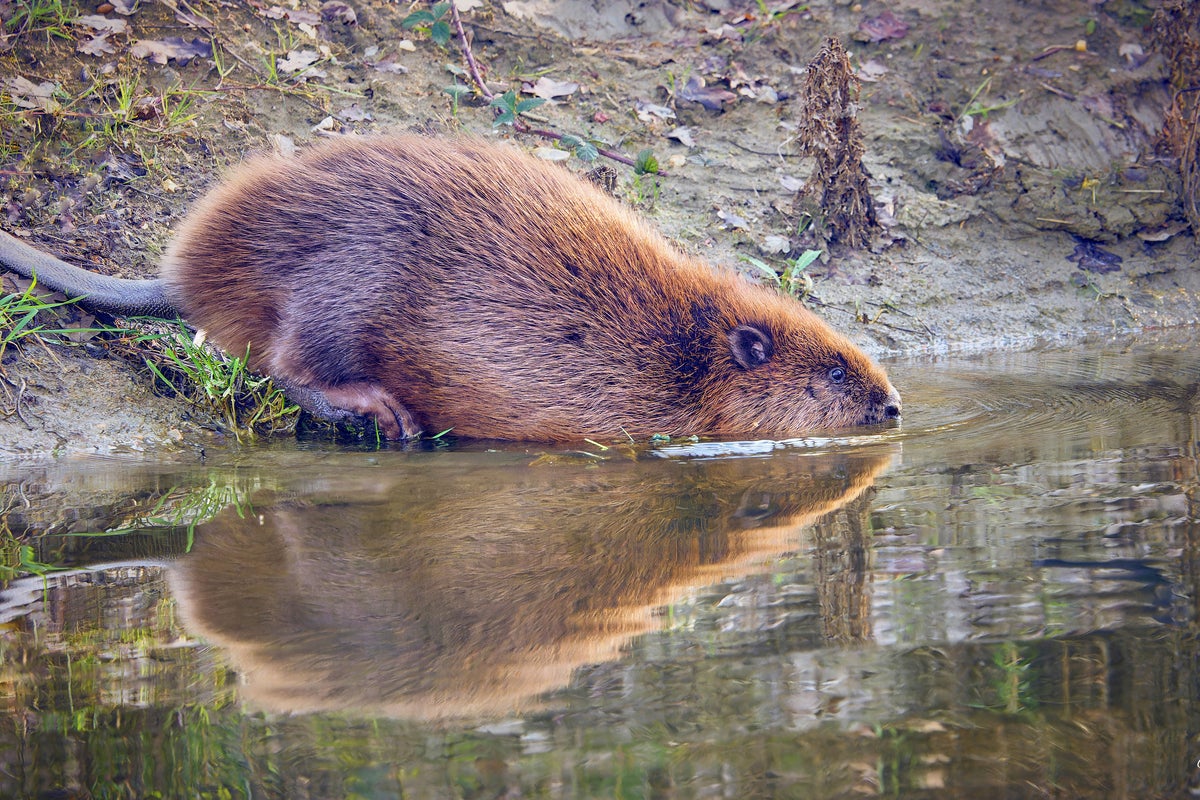
When an HOA traps and kills a resident colony of Castor canadensis, they are not solving a problem. They are simply creating a premium vacancy in the local ecosystem. The existing dam has already altered the hydrology of the area, creating a deep-water habitat that is irresistible to dispersing sub-adult beavers from neighboring territories.
If the habitat remains viable, new beavers will occupy it. Period.
[Viable Habitat] -> [Trap & Kill Colony] -> [Temporary Vacancy] -> [New Colony Migrates In]
By relying on trapping, an HOA commits its residents to a perpetual subscription model with local exterminators. It is a recurring line-item expense that yields a 0% long-term return on investment. Furthermore, standard lethal trapping often involves body-gripping traps or drowning sets. When these are deployed in suburban retention ponds, the liability skyrockets. The moment a resident’s unleashed Golden Retriever gets caught in a Conibear trap, the HOA’s legal expenses will make the cost of beaver damage look like pocket change.
The Sentimentality Trap: Nature is Not Your Friend
Conversely, the "leave them alone" crowd is operating on pure delusion.
The prevailing internet narrative suggests that beavers are flawless ecological saints that only improve biodiversity. While that may be true in a national park or a sprawling rural watershed, a master-planned suburban development is not a pristine wilderness. It is an artificial, highly engineered environment designed to shed water efficiently through a specific network of pipes, swales, and retention basins.
When a beaver builds a dam inside a suburban stormwater management system, it alters the engineering tolerances of the entire neighborhood.
- Saturated Road Subgrades: Long-term standing water seeps under asphalt roads, destroying the aggregate base and causing premature potholing and structural failure.
- Vector Breeding Grounds: Stagnant water upstream of a poorly flowing dam becomes a massive breeding ground for mosquitoes, directly impacting the usability of backyards.
- Foundation Compromise: Structural soils under nearby home foundations can shift or lose bearing capacity when the local water table is artificially raised by several feet.
To pretend that doing nothing is a viable strategy is a form of financial illiteracy. If the dam breaches during a 100-year storm event, the sudden release of water can wash out downstream infrastructure, leading to catastrophic property damage and potential civil lawsuits against the HOA itself.
The Flow Leveler: The Unconventional ROI Weapon
So, what is the alternative? You don’t kill the animals, and you don’t let them flood the neighborhood. You trick them.
Smart asset managers don't hire trappers; they hire specialized contractors to install water control devices, commonly known as "beaver deceivers" or flow levelers.
The mechanics are elegantly simple. A durable, heavy-duty polyethylene pipe is run through the center of the beaver dam. The intake side of the pipe is encased in a wide, submerged wire cage placed several yards upstream in deep water. The outlet side extends through the dam at the exact height the HOA wishes to maintain the water level.
   Upstream Pond                                            Downstream
+------------------+                                      +------------+
|                  |     +==========================+     |            |
|  [Cage Intake]   |====|=== (Pipe through Dam) ===|----> |            |
|                  |     +==========================+     |            |
+------------------+             [Beaver Dam]             +------------+
Beavers are triggered to build dams by the specific sound and feel of running water. Because the intake of a flow leveler is submerged and caged far from the dam, the beavers cannot sense the water entering the pipe. They can pile mud and sticks on top of the dam until they are blue in the face, but the water will continuously drain through the pipe, keeping the pond at a safe, predictable level.
Let's look at the actual math behind this approach.
| Expense Category | Traditional Trapping Strategy (3-Year Outlook) | Flow Leveler Installation Strategy (3-Year Outlook) |
|---|---|---|
| Initial Capital Outlay | $1,500 (Initial trapping fee) | $3,500 (Hardware and professional installation) |
| Year 2 Maintenance | $2,000 (Secondary trapping after re-colonization) | $200 (Routine debris inspection) |
| Year 3 Maintenance | $2,500 (Third wave trapping and dam breach repair) | $200 (Routine debris inspection) |
| Total 3-Year Cost | $6,000 | $3,900 |
| Asset Condition | Unpredictable flooding risk remains high | Water levels permanently stabilized |
The data is clear. The flow leveler requires a higher upfront capital expenditure, but it completely breaks the cycle of recurring costs. By year three, the device has paid for itself. By year five, the HOA has saved thousands of dollars in reserve funds that can be diverted to paving roads or upgrading pool amenities.
Dismantling the Frictional Arguments
When you present this solution to an HOA board, you will inevitably face pushback from both sides of the aisle. Here is how you shut down the flawed premises of those arguments.
"But the beavers will just build another dam somewhere else!"
This is a misunderstanding of territorial wildlife behavior. Beavers are intensely defensive of their home range. If a resident colony remains in place because their current pond is deep enough for them to survive, they will actively prevent new, outside beavers from moving into the area. By keeping a "managed" colony on-site via a flow leveler, you effectively use the resident beavers as a natural security force to block uncontrolled populations from entering your watershed.
"The hardware is ugly and ruins the neighborhood aesthetic."
What is uglier: a small piece of black polyethylene pipe barely visible beneath the water's surface, or a massive, orange mud-slick erosion scar left behind when a dynamic dam collapses and destroys your shoreline? A properly managed wetland actually becomes an asset, stabilizing banks and filtering urban fertilizer runoff before it enters municipal water systems.
Stop Voting, Start Quantifying
The core failure of the Georgia HOA currently fighting over this issue is that they have allowed the conversation to become a referendum on ethics. It is not an ethics question. It is an infrastructure equation.
Every hour spent debating whether beavers have "rights" or whether they are "vermin" is an hour of billable legal time or wasted administrative energy. The board needs to fire the traditional pest control company, ignore the emotional petitions from the neighborhood Facebook group, and hire an environmental engineer to drop a pipe through the dam.
Manage the water level, protect the subgrade of your roads, and let the animals work for you for free. Anything else is just expensive theater.