The air at four thousand meters tastes like cold iron and thin dust. Up here, where the oxygen grows thin enough to make your temples throb, the earth itself feels temporary. You do not conquer the roof of the world. You merely negotiate with it, daily, hourly, holding your breath while the avalanches rumble in the distance like distant thunder.
For years, a grand ambition has rolled down from the marbled halls of Beijing and wound its way across these ancient passes. It is a vision of steel tracks, bullet trains, and electric grids piercing the Tibetan plateau. It is concrete poured into sacred valleys. It is an engineering triumph designed to bind a fragile, restive frontier tight to the imperial core.
Then came the mud.
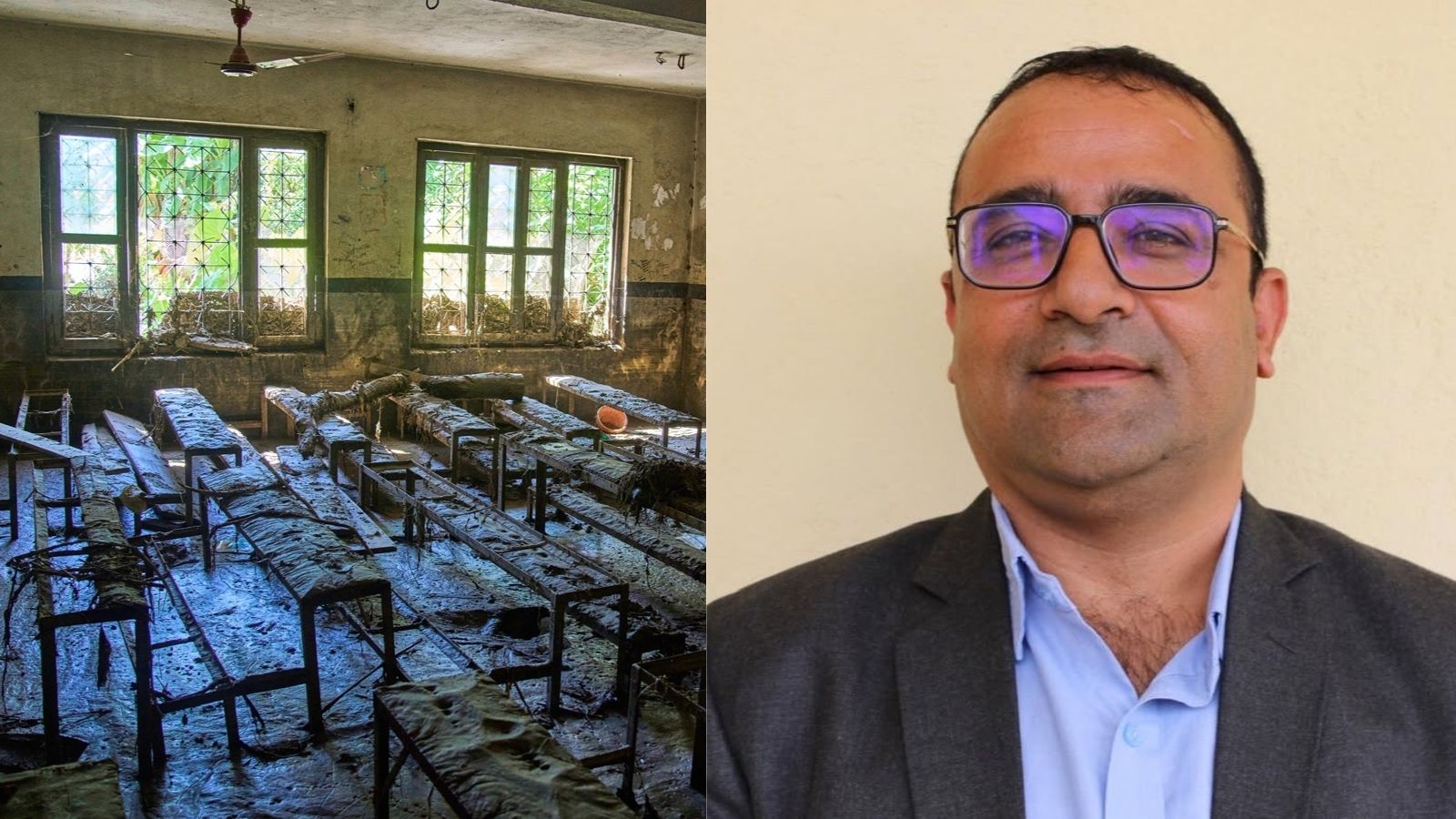
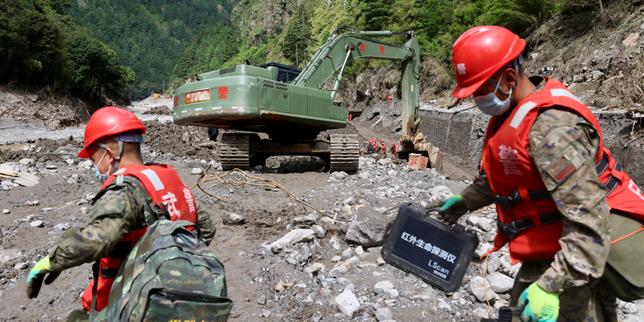
Not a dramatic earthquake that shatters the earth in a single, cinematic second. Just a heavy, relentless summer rain. Water pooling where it should not pool, saturating soil that had stayed frozen for millennia, until gravity did what gravity always does. A sudden, violent slide of earth and stone tore down a mountainside, obliterating roads, choking rivers, and burying the grand narrative under tons of gray slurry.
Xi Jinping’s Himalayan gamble was never just about steel and concrete. It was about absolute control.
To understand why a single mudslide sends tremors all the way to the capital, you have to look past the official press releases. You have to imagine a remote construction camp nestled in a jagged gorge, where workers from the lowlands battle altitude sickness while laying tracks across seismic fault lines. Let us call one of them Chen. Chen is twenty-nine, hailing from the humid flats of Sichuan, wearing a high-visibility vest coated in dust that never quite washes out. He looks up at the towering cliffs above him and feels a knot in his stomach. He knows the mountain does not care about five-year plans.
Every tunnel bored through these sacred crags, every high-voltage cable strung across the abysses, represents a staggering financial and political investment. Beijing wants to transform Tibet into an economic powerhouse and a heavily fortified borderland, projecting power toward South Asia. Trains are supposed to run silently and swiftly, carrying tourists and troops alike, erasing the brutal geography that once kept this region remote and fiercely independent.
Nature, however, reads no party directives.
Climate change is rewriting the rules of the Himalayas at a terrifying pace. Glaciers retreat, permafrost thaws, and the slopes lose the icy glue that held them together for ages. When torrential monsoon rains strike these destabilized slopes, the mountains dissolve.
(Note: The scientific consensus on permafrost degradation and increased glacial lake outburst floods in the region forms the empirical backbone of this geological vulnerability.)
When the mudslide hit, it did more than block a highway. It exposed the immense arrogance of trying to outsmart an ecosystem that is actively unraveling. Millions of dollars in infrastructure vanished into the gray soup in a matter of hours. Supply chains fractured. Construction schedules blew apart. Worse still, it shattered the illusion of invincibility.
The political cost is much higher than the economic one. When citizens see images of broken bridges and stranded convoys, doubt creeps in. The state media calls these events natural disasters, acts of God beyond human control. But the locals, the Tibetans who have watched these valleys for generations, shake their heads. They remember how the old paths wound around the moods of the mountains rather than trying to punch straight through them. They view the devastation not as an anomaly, but as a reckoning.
You can pave the plateau. You can string fiber-optic cables across the passes and station border patrols on every ridge. But you cannot negotiate with a mountain that is sliding into the valley.
Consider what happens next. The engineers will return. They always do. Heavy machinery will be dragged up the winding switchbacks, workers will shovel away the debris, and new retaining walls will rise from the wreckage. The trains will eventually run again.
Yet, the fundamental vulnerability remains. Every new megaproject in Tibet is a high-stakes gamble against an increasingly hostile environment. The rising temperatures do not negotiate. The melting permafrost does not care about political prestige.
Standing on a wind-scoured ridge, watching the dust devils swirl across the valley floor, you realize the quiet irony of it all. For centuries, empires looked at the Himalayas and saw a barrier they could never cross. Today, a modern superpower looks at them and sees a frontier it refuses to leave alone.
The earth shifts beneath our boots. The rain falls harder. And the mountain waits.