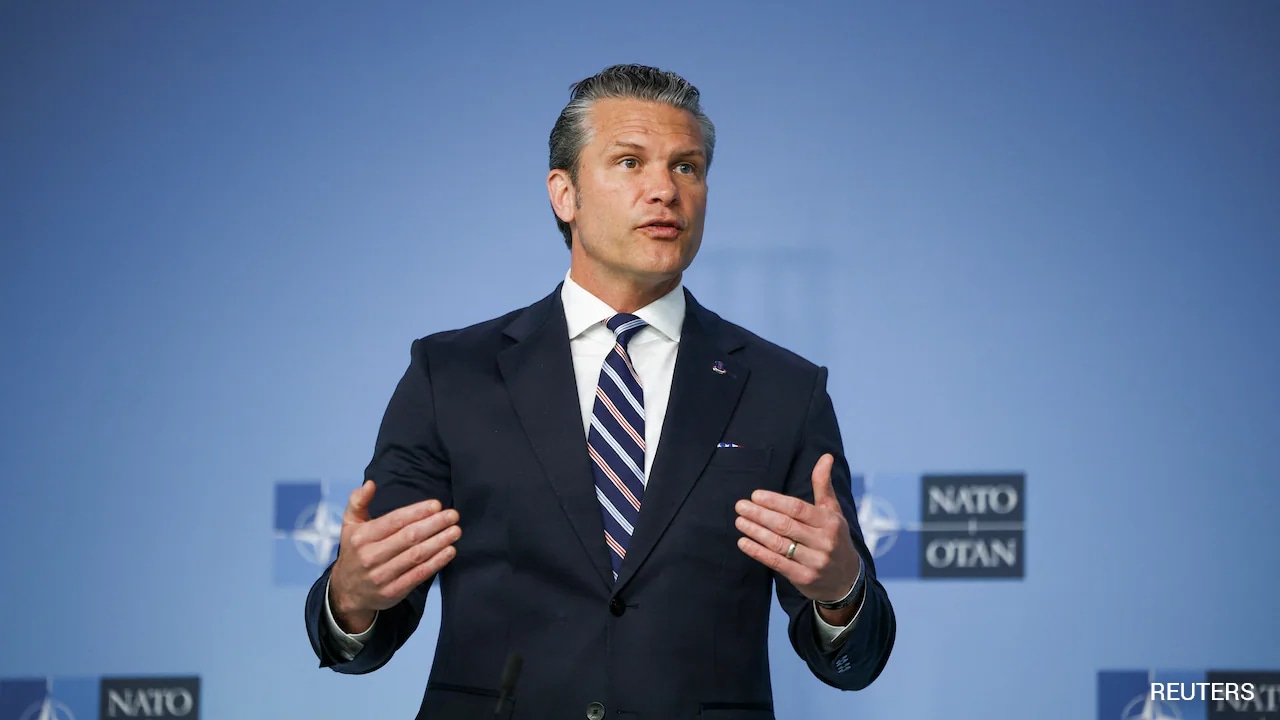
The traditional, apolitical pipeline for promoting America's top military brass has effectively shattered. Defense Secretary Pete Hegseth recently slashed nine senior Navy officers from a pre-approved promotion list to one-star admiral. The cuts included every single woman on the slate, leaving an all-male line-up of 22 nominees.
This isn't an isolated HR tweak. It's a fundamental rewrite of how the Pentagon advances its leaders. For decades, the promotion board process remained insulated from partisan interference. A board of senior officers reviewed records, weighed merit, and passed a list up the chain. Hegseth's sudden, top-down scrubbing of the Navy list—following a similar move that axed two Black and two female Army officers in March—signals a cultural purge disguised as a return to merit.
The immediate fallout is clear. The Navy won't promote a single active-duty woman to the rank of admiral this year, a stark anomaly for a service where women make up 21% of the officer corps. By trying to eradicate what he calls "woke" diversity quotas, Hegseth is creating a different kind of quota altogether—one that establishes a visible ceiling for minority and female leaders who have spent decades climbing the ranks.
The Friction Between Merit and Ideology
The Pentagon maintains that these personnel decisions focus purely on operational readiness and raw capability. Hegseth has repeatedly claimed that diversity initiatives compromise lethality, arguing that the military has promoted leaders based on race, gender quotas, and historic "firsts" rather than pure skill.
But the math doesn't back up the idea that the original list was a product of forced diversity. The initial 31-officer slate was curated by a board operating under directives from Navy Secretary John Phelan, a Trump appointee. Phelan's explicit order instructed the board to pick the "best qualified" while explicitly barring preferential treatment based on race or sex. The list was vetted and approved by both Navy leadership and the chairman of the Joint Chiefs of Staff, Gen. Dan Caine, before Hegseth took his red pen to it.
Scrubbing the final list undermines the very meritocracy the Pentagon claims to protect. When a selection board spends months reviewing blind data, deployment histories, and command records, a sudden political intervention erodes trust in the system. Junior and mid-grade officers are left watching from the sidelines, realizing that hard work, flawless reviews, and deep operational expertise can be instantly undone by political calculations at the top.
The Legal Grey Zone of Blocking Flag Officers
Hegseth's aggressive interventions push the boundaries of statutory authority, creating a quiet constitutional crisis inside the Department of Defense. Under Title 10 of the U.S. Code, the Secretary of Defense has clear authority to delay or withhold promotions if an officer faces an ongoing investigation, behavioral misconduct, or fitness-to-lead issues.
However, permanently removing a name from a flag-officer promotion list is a power historically reserved for the President. While executive orders have delegated some removal powers down to the defense secretary for lower ranks, that authority doesn't clearly extend to generals and admirals. When Hegseth pressured Army Secretary Dan Driscoll to drop names from the brigadier general list in March, Army leadership initially balked, highlighting the deep internal resistance to these unconventional tactics.
This systematic pruning opens the door for serious legal challenges under the Administrative Procedure Act, which allows courts to review agency actions if officials exceed their delegated authority. If affected officers decide to sue, the Pentagon will have to produce an administrative record proving these cuts were based on professional deficiencies—a tough hurdle given that the omitted officers had already been deemed the "best qualified" by their peers and immediate superiors.
The Talent Drain and National Security Risks
Politicizing the promotion process creates an immediate national security vulnerability: a massive talent drain. The military faces severe recruitment and retention struggles across all branches. Telling a quarter of the officer corps that their advancement depends on political alignment rather than performance is a recipe for losing top-tier tactical talent.
Female officers who spoke out anonymously note that the current environment makes long-term service look like a dead end. When high-performing captains realize the path to admiral is blocked by ideological gatekeeping, they don't stick around to fight the system; they transition to the private sector. The nation loses decades of specialized operational experience, institutional knowledge, and strategic leadership right when geopolitical tensions demand peak readiness.
If you are a mid-career officer navigating this volatile landscape, your best strategy is to document your career metrics meticulously. Focus heavily on core operational commands, specialized technical mastery, and clear, quantifiable readiness data that leaves no room for subjective interpretation. Keep your head down, emphasize mission capability, and let your objective performance record speak for itself.