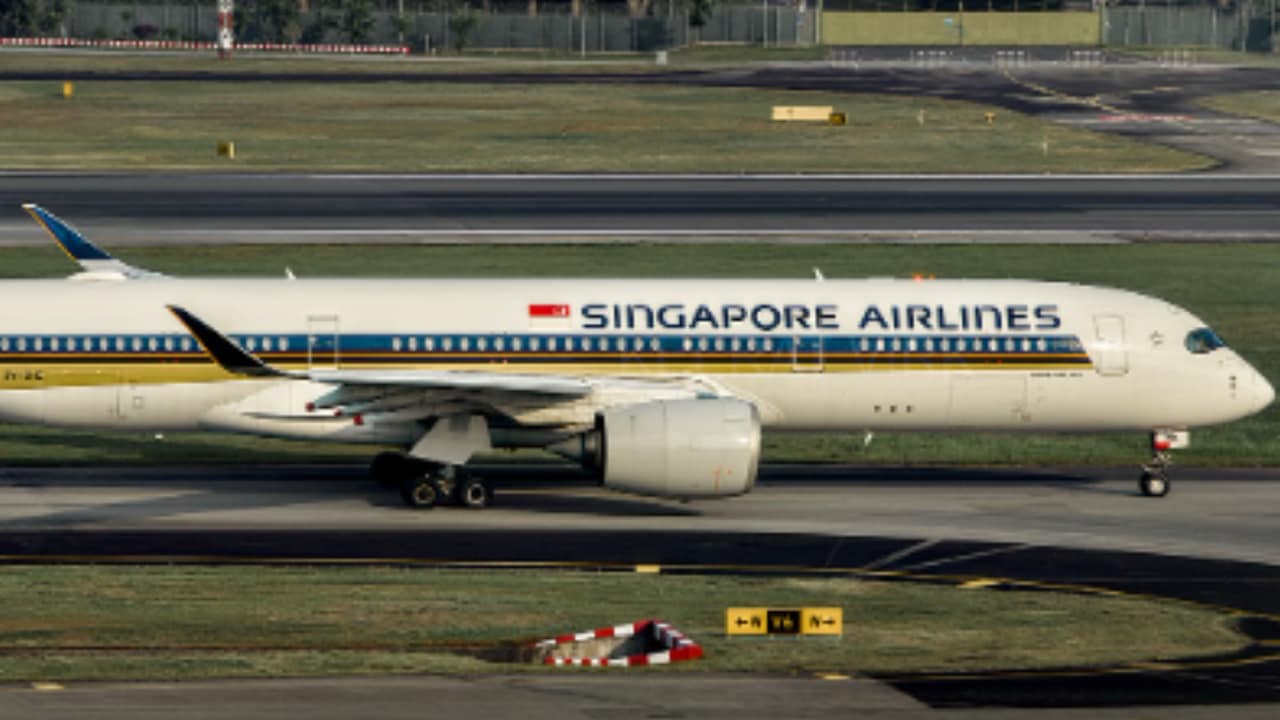
A fleeting week of peace was all global aviation got before the skies over the Persian Gulf fractured again. The European Union Aviation Safety Agency just reinstated a highly restrictive Conflict Zone Information Bulletin. It tells European carriers and international partners to entirely avoid the airspace of the United Arab Emirates, Qatar, Bahrain, Kuwait, and the Gulf of Oman.
The sudden collapse of the fragile interim ceasefire between Washington and Tehran has thrown global flight routing into disarray. For anyone holding a ticket for a long-haul flight between Europe, Asia, and the Americas, the reality of air travel just changed overnight.
The Dangerous Breakdown of the Gulf Ceasefire
Just days ago, European regulators relaxed their warnings, giving major airlines a window to plan a return to normal summer scheduling. That optimism vanished. A rapid chain reaction began when U.S. forces launched consecutive nights of strikes against military targets, following an Iranian declaration that it would close the vital Strait of Hormuz. By the time ballistic missiles targeted a U.S. air base in Jordan, aviation authorities had seen enough.
The European safety directive runs through at least July 29, though nobody in the industry expects a magical resolution by then. Crucially, this new warning is far more severe than the older "exercise caution" advisories. European regulators are bluntly signaling that these skies are no longer safe for civilian aluminum tubes flying at 35,000 feet.
The primary danger is not that a military force will intentionally shoot down a commercial airliner. The real threat is the sheer density of air defense hardware currently active in the region. When skies are crowded with automated missile defense batteries and incoming drone swarms, the risk of misidentifying a commercial passenger jet skyrockets. Mix that with the reality that major U.S. military installations sit right next to massive civilian hubs in Doha and Dubai, and you have a recipe for catastrophe.
Flight Paths Face a Distant Detour
When you block off a massive chunk of the sky over the UAE, Qatar, and the Gulf of Oman, you do not just disrupt local regional hops. You sever the primary global artery connecting West to East.
Airlines cannot simply fly slightly to the left. The alternative paths are already blocked. Regulators extended separate, absolute flight bans over Iran, Iraq, and Lebanon through the end of August. Russian airspace remains closed to Western carriers due to the ongoing war in Ukraine.
Carriers are forced to route around the entire Arabian Peninsula. They must push flights far south over Saudi Arabia and Africa before swinging back up toward Asia. These detours add hours of extra flight time, burning through thousands of gallons of expensive aviation fuel per trip.
What This Means for Your Travel Bookings
If you have upcoming travel involving a connection in the Middle East, expect immediate operational headaches.
- Longer Flight Times: Flights between Europe and Southeast Asia or Australia will take longer. Expect an extra 45 minutes to two hours in the air depending on the exact route.
- Missed Connections: With flight paths changing constantly, arrival times are unpredictable. If your connection window at a hub like Dubai or Doha is under 90 minutes, your odds of missing the next flight are high.
- Surging Ticket Prices: Extra fuel and longer crew hours cost airlines millions. Carriers will inevitably pass these costs down to passengers, especially as summer travel peaks.
Don't wait until you arrive at the airport to check your flight status. You need to download your airline’s app and turn on push notifications right now. Check the actual flight path history of your upcoming flight number on a public tracking site to see if your carrier has already shifted to the longer, safer detours. If you are booking new travel, explicitly look for longer layovers to give yourself a safety cushion against unpredictable air traffic control delays.