The air in the room was thick, heavy with the tropical humidity that clings to everything in Bangkok during the rainy season. It was 3:00 AM. Sarah sat on the edge of the crisp white hotel bed, listening to the rhythmic, labored breathing of her eight-year-old son, Leo. His skin was flush, radiating a terrifying heat that seemed to warp the very air around him. Every few minutes, he would whimper, his small body convulsing slightly with joint pain so intense that he had described it earlier as his bones snapping in half.
On the bedside table sat an empty bottle of paracetamol, a half-filled glass of water, and a smartphone glowing with a generic travel advisory page. The advisory was brief, sterile, and entirely unhelpful. It noted a "statistical uptick in vector-borne transmission across Southeast Asia" and recommended "standard mosquito avoidance protocols."
Statistical upticks don't scream in the middle of the night. Vector-borne transmission doesn't look like a terrified mother wondering if she needs to find an international hospital in a city where she doesn't speak the language.
We treat travel as a series of curated moments. We pack our bags with linen shirts, sunscreen, and the promise of escape. But we rarely pack for the reality of the ecosystems we enter. What Sarah was witnessing wasn't a freak medical anomaly. It was the predictable, aggressive expansion of dengue fever, a disease once confined to specific tropical pockets that is now marching steadily into new territories, driven by a changing climate and a globalized world that moves people and pathogens faster than ever before.
To understand why Leo was shivering under a thin sheet in a five-star hotel, you have to understand the creature that put him there. It isn't a monster. It is a tiny, delicate insect called Aedes aegypti.
Unlike the swamp-dwelling mosquitoes of popular imagination, Aedes aegypti is a sophisticated urbanite. It loves humans. It prefers to live indoors, hiding under beds, behind curtains, and in the cool shadows of closets. It doesn't hum loudly in your ear; it attacks from below, targeting ankles and elbows with a bite so stealthy you rarely feel it happen. And it requires only a bottle cap full of clean water to lay its eggs. A flower vase, the tray underneath a potted plant, a discarded plastic cup on a balcony—these are the nurseries of a global health crisis.
When that mosquito bites, it doesn't just take a blood meal. It injects a virus that immediately begins targeting the body's immune cells. For the first few days, nothing happens. The incubation period is a quiet, deceptive calm. Then, the dam breaks.
The onset of dengue is notoriously brutal. Doctors call it "breakbone fever" for a reason. The virus triggers a massive inflammatory response, flooding the bloodstream with cytokines. This biological firestorm causes severe headaches, excruciating pain behind the eyes, and a deep, aching agony in the muscles and joints that feels less like a typical flu and more like physical trauma.
But the real danger of dengue isn't the pain. It is the plumbing.
Think of your circulatory system as a vast network of tightly sealed pipes. The dengue virus attacks the integrity of those pipes. It causes the endothelial cells lining your blood vessels to become permeable. In simple terms, the pipes start to leak.
In mild cases, this leads to a distinct, patchy red rash as tiny amounts of blood seep into the skin. But in severe cases—known as Severe Dengue or Dengue Hemorrhagic Fever—the leaking becomes catastrophic. Plasma rushes out of the bloodstream and into the chest and abdominal cavities. The blood volume drops rapidly. Blood pressure plummets. Vital organs, deprived of oxygen, begin to fail.
Compounding this nightmare is the virus’s effect on platelets, the cellular fragments responsible for clotting. Dengue suppresses bone marrow production and destroys existing platelets in the spleen. Suddenly, the body loses both its structural integrity and its ability to repair itself.
This is the hidden trap of the disease. The most critical window doesn't happen when the fever is at its highest. It happens when the fever breaks.
When a patient's temperature suddenly drops back to normal after three to seven days of torment, families often breathe a sigh of relief. They think the worst is over. But for clinicians, this is the "critical phase." It is the precise moment when plasma leakage accelerates. If a patient is going to enter circulatory shock, it happens now, just as they seem to be recovering.
Sarah didn't know about the critical phase. She only knew that her son's fever was touching 40°C (104°F) and the cold compresses she was applying to his forehead were doing nothing.
The global conversation around dengue is shifting, driven by a stark geographic reality. This is no longer just someone else's problem.
Historically, dengue was a localized threat. But as global temperatures rise, the geographic boundaries of the Aedes mosquito are expanding. Winters are becoming milder, allowing adult mosquitoes to survive in regions that were previously too cold. Summers are longer, extending the transmission season. Urbanization provides a dense concentration of hosts—us—and an infinite supply of artificial breeding sites.
Parts of Southern Europe, the Southern United States, and South America are experiencing unprecedented surges. Cities that haven't seen dengue in a century are recording local transmission. The virus is moving into higher altitudes and higher latitudes, claiming territory one zip code at a time.
Yet, public awareness remains dangerously low. Travelers often obsess over malaria, taking preventative pills and dousing themselves in heavy-duty repellents at dusk. But malaria is transmitted by Anopheles mosquitoes, which bite primarily at night and are generally found in rural, forested areas. Dengue is an daytime threat, with peak biting times in the early morning and late afternoon, right when you are walking to a café or sitting poolside.
There is no magic pill to prevent dengue. There is no specific antiviral treatment to cure it.
If you contract the virus, the medical response is entirely supportive. It is a game of patience and precise fluid management. Doctors must carefully balance intravenous fluids to keep blood pressure stable without overloading the leaking circulatory system, waiting for the patient’s own immune system to clear the virus.
This lack of targeted treatment makes prevention the only real defense, yet our collective approach to protection is often flawed. Many commercial insect repellents fail to provide lasting protection against Aedes aegypti. Experts consistently point to DEET, Picaridin, or Oil of Lemon Eucalyptus as the only reliable chemical barriers. Clothing choice matters just as much; loose-fitting, long-sleeved garments treated with permethrin offer a physical shield that a hungry mosquito cannot easily pierce.
Moreover, managing the environment around us is a collective responsibility that extends far beyond municipal sprayed trucks. It requires a meticulous, almost paranoid elimination of standing water. A single overlooked plate under a balcony fern can generate hundreds of mosquitoes every week.
As the first pale light of dawn began to filter through the heavy curtains of the Bangkok hotel room, Sarah made a decision. She packed a small bag with Leo's passport, his medical records, and a bottle of water. She carried her sleeping, burning son down to the lobby and hailed a taxi to the nearest hospital.
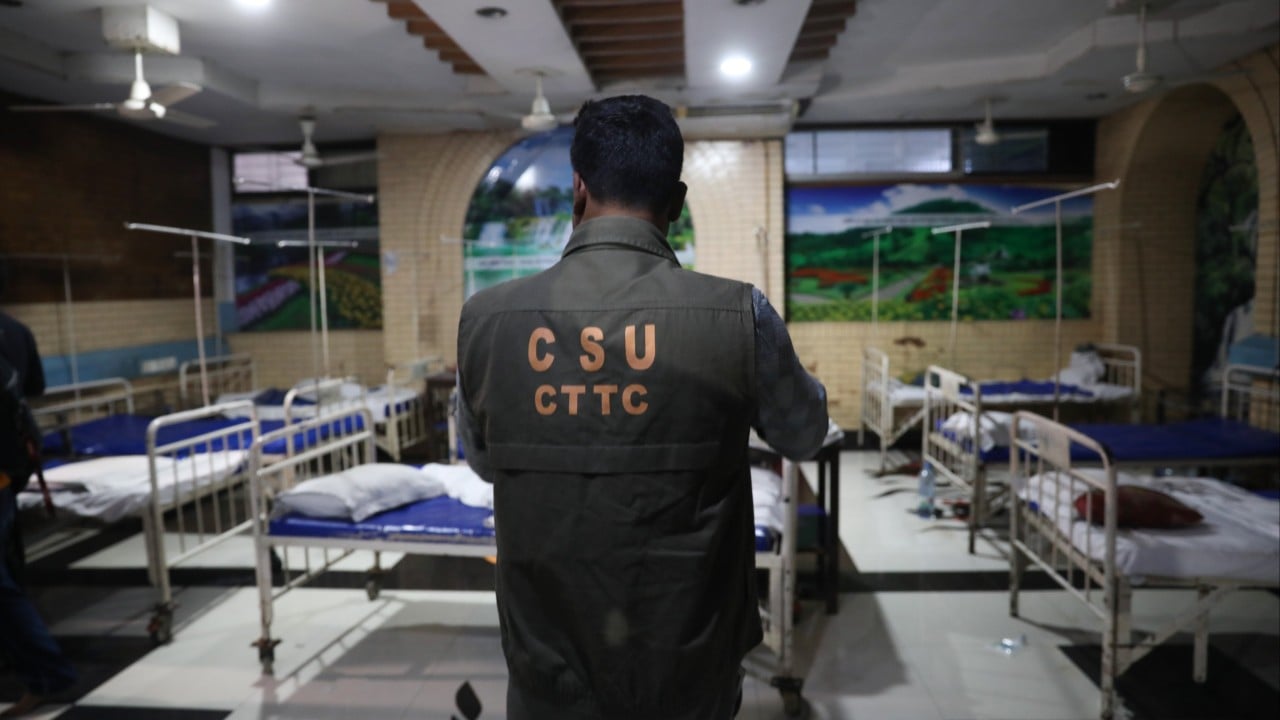
She spent the next five days in a pediatric ward, watching a digital monitor track Leo's fluctuating platelet counts. She watched nurses adjust IV drips with mathematical precision. She learned the terrifying vocabulary of hematocrit levels and plasma volume.
Leo survived. His youth, combined with immediate access to high-quality medical care, ensured a full recovery. But the experience stripped away the illusion of detachment that many travelers carry.
We look at maps and see borders, countries, and vacation destinations. The Aedes mosquito sees none of these. It sees heat, moisture, and blood. It adapts to our concrete structures, thrives in our trash, and rides the coat-tails of our changing climate into new frontiers.
The warmth of the morning sun through a window can feel like a welcome invitation to explore a new city. But somewhere in the shadows of the balcony, just out of sight, a tiny pair of patterned wings is already beating, waiting for the ambient temperature to rise just enough to begin the hunt.