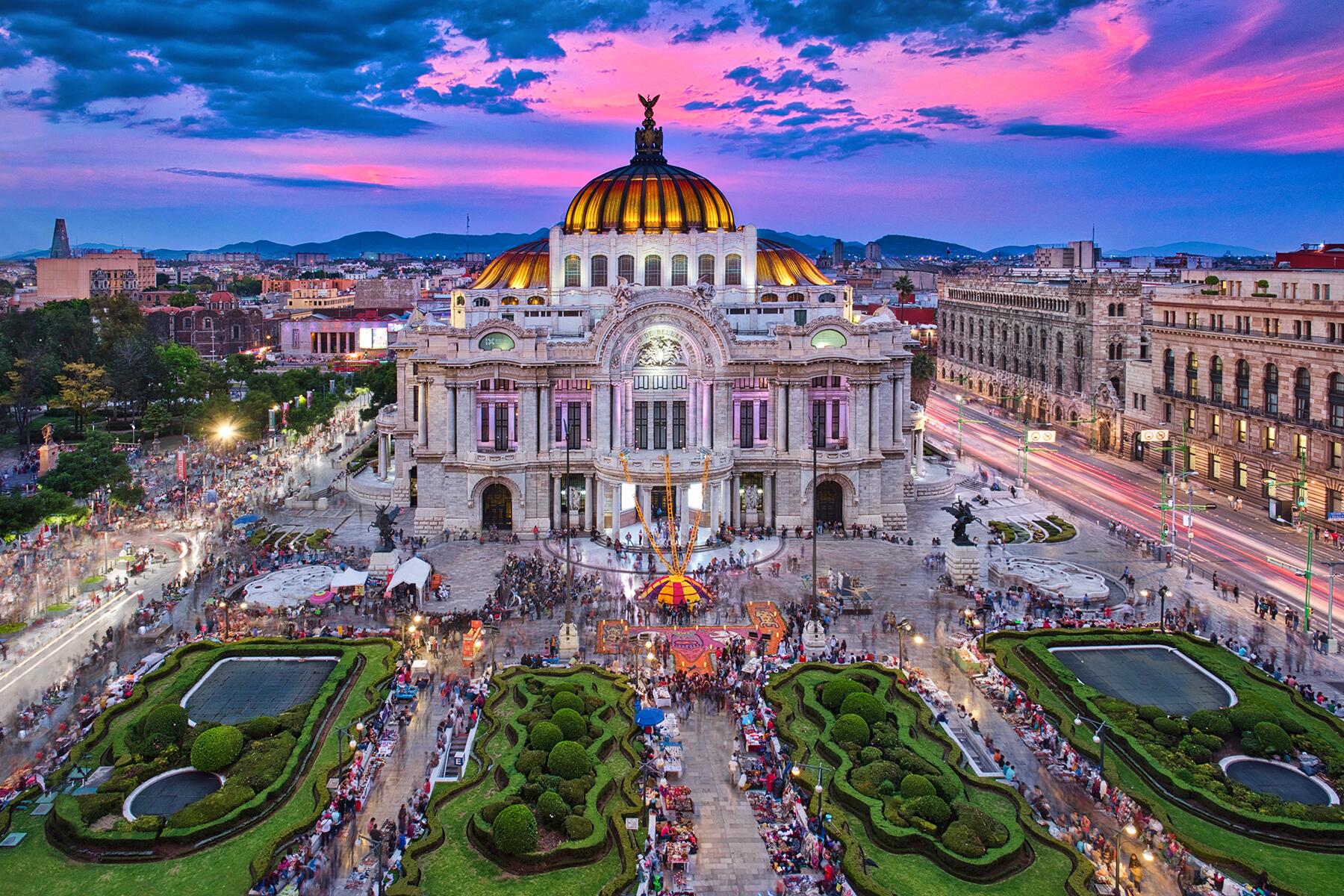
Big screens line the Paseo de la Reforma in Mexico City. Fans scream, wave flags, and drown themselves in a temporary state of pure euphoria. The national team is on an unbeaten streak, marching into the last 16 without letting in a single goal. It feels magical. It feels like a dream.
But look closer at the spaces between those massive screens. Look at the flyers taped to the concrete poles. Look at the desperate faces printed on cheap paper. Those are the faces of the disappeared. Mexico has more than 135,000 missing people right now, a number that has climbed relentlessly since the drug war officially kicked off back in 2006.
You can't ignore the clash of these two realities. On one hand, you have the historical milestone of hosting a tournament for a record third time. On the other, you have deep economic pain, rampant violence, and a population that feels completely left behind by the ticket prices. The Mexico World Cup should be a celebration of national pride, but instead, it has turned into a giant, expensive mirror reflecting the country's deepest internal fractures.
The National Dopamine Hit Versus Daily Survival
Football is a drug here. It's a powerful tool that makes you forget your problems for 90 minutes. When Mexico beat Ecuador in the last 32, securing their first knockout-stage win in four decades, the entire country lost its mind. People flooded the streets. Horns blared until dawn. It felt like anything was possible.
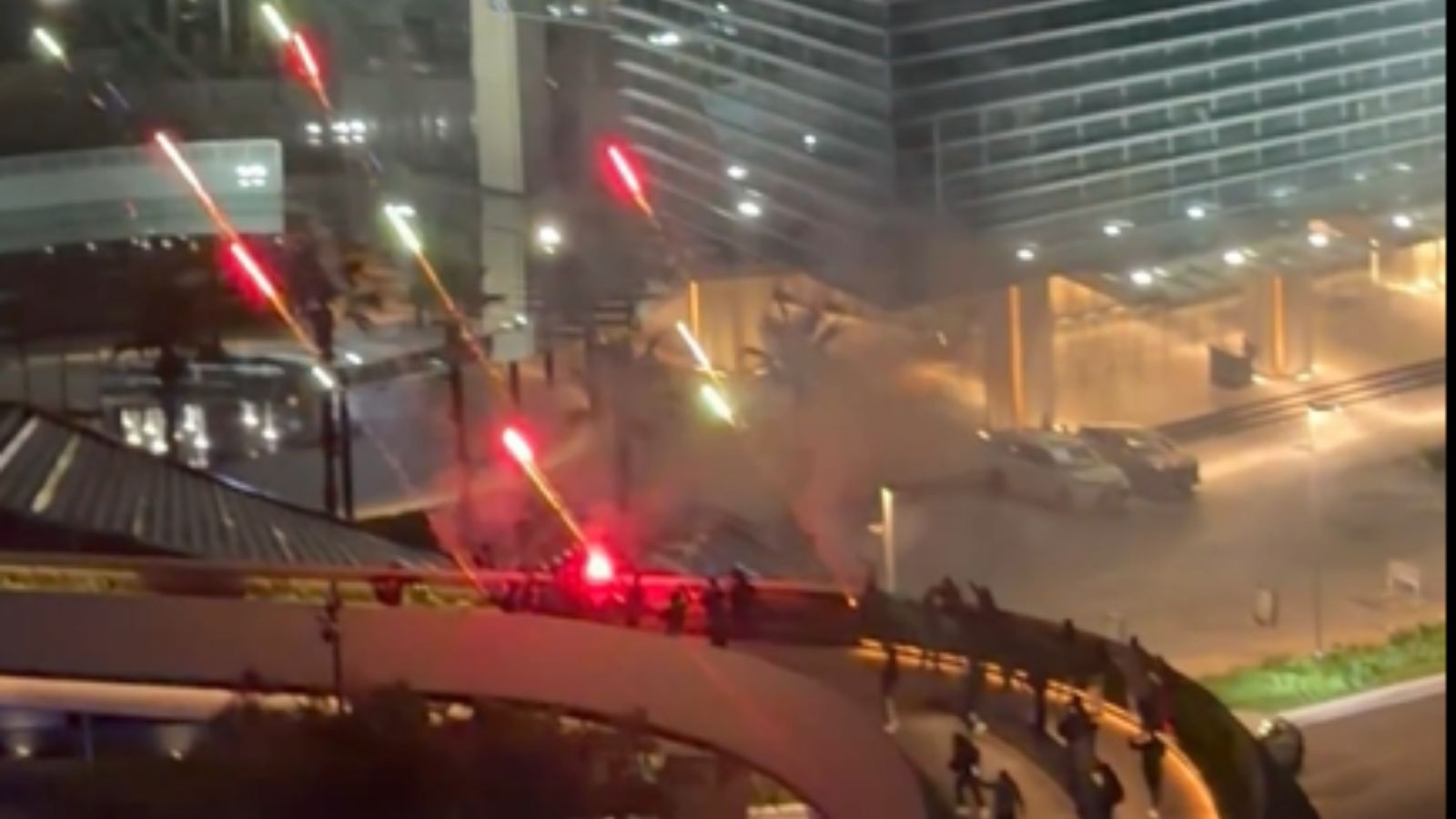
But that euphoria came with a literal body count. Four people died during the wild celebrations around Reforma alone. Even when we win, violence finds a way to creep back into the frame.
The reality is that this tournament acts as a massive distraction. Local podcaster and journalist Carlos Mendoza nailed it when he pointed out that as long as the team wins, everyone lives with a national dopamine rush. It lets people avoid thinking about uncomfortable things. It lets them ignore the heavy accusations coming out of the United States regarding alleged collusion between ruling party politicians and drug syndicates.
But a football tournament only lasts a few weeks. The world doesn't stop because a ball is rolling across the grass. When the final whistle blows and the tourists pack their bags, the reality is still waiting right outside the door.
The High Cost of Being Priced Out of Your Own Stadium
If you want to understand why locals are angry, look at the ticket prices. This tournament is being co-hosted by Mexico, the United States, and Canada, but the pricing model feels completely tailored to wealthy foreign tourists. Tickets routinely run into thousands of dollars on the secondary market.
For an ordinary Mexican worker, that isn't just expensive. It is completely impossible.
Consider the perspective of someone like Dr. Jose Luis Munoz, a 66-year-old resident who used to enjoy the lively street culture of downtown Mexico City before the local government swept the vendors away to sanitize the area for international visitors. He can't afford to go to a single match. He openly calls it discriminatory. He isn't wrong.
Historically, football was the sport of the working class. It belonged to the people who built the stadiums, not just the corporations that bought the luxury boxes. Now, the main barrier isn't finding a ticket. It's finding the money to pay for it. The stadium doors are firmly shut to the very people whose passion gave Mexican football its global reputation.
Protests on the Pitch and the Streets
Walk past the iconic Azteca Stadium right now and you will see plenty of anti-World Cup graffiti sprayed across the concrete walls. The authorities have tried to paint over it, but the anger keeps bubbling back up. The global spotlight has given local activist groups a massive stage, and they aren't wasting the opportunity.
Members of the dissident teachers' union group, known as the CNTE, have set up massive protest camps right in the middle of the city center. Their tents block entire arterial roads. They don't hate soccer. They just want the government to live up to its promises. They are demanding the repeal of a 2007 law that stripped public sector workers of their pension security, and they want real wage increases that keep pace with the rising cost of living.
President Claudia Sheinbaum is playing a highly stressful political game here. Her domestic approval rating sits at a comfortable 69 percent according to recent El Financiero polling, but the internal pressure is enormous. She has openly accused the political opposition of trying to create an impression of total chaos during an international event that took years to prepare.
But it isn't just political opportunism. It is genuine, grassroots frustration.
While the government spends millions installing fancy things like digital chandeliers in the Metro system to impress FIFA executives, regular commuters are dealing with delayed trains, broken infrastructure, and an economy where core inflation remains stubbornly above the Bank of Mexico's 3 percent target.
Five Stadiums Full of Ghosts
Let's look at the numbers. They tell a story that no slick PR campaign can hide. Over the past two decades of this internal conflict, roughly 400,000 people have been killed. Another 135,000 have vanished into thin air.
Think about the newly renovated Azteca Stadium. It holds around 87,000 screaming fans. If you gathered every single murder victim from Mexico's recent history, you could fill that massive stadium five times over. The officially recognized missing people would fill it another one and a half times.
That is the sheer scale of the tragedy hanging over this tournament.
Victims' collectives and grieving mothers aren't trying to ruin anyone's fun. They just want people to remember that while the ball is coming home, thousands of children, spouses, and parents never will. They are using the tournament to march with candles and photographs, forcing international journalists to look past the beautiful game and see the human cost of the last twenty years.
How Fans Balance the Contradiction
So, how do you handle being a fan in a environment like this? You learn to live with two completely conflicting ideas in your head at the same time.
Local resident Alejandra Gonzalez sums it up perfectly. She notes that the tournament doesn't actually clear away any of our troubles. It just lowers their priority in the public mind. The government leverages this collective euphoria to delay urgent, uncomfortable decisions.
You can scream your lungs out for El Tri on Sunday when they face England in that massive last-16 matchup. You can feel your heart race when the ball hits the back of the net. But when you walk out of the bar, you still look over your shoulder on the way to the bus stop. You still check your grocery bill and wonder how things got this expensive.
Life here isn't a neat, black-and-white story. You can love the jersey and absolutely detest the politics of the people running the country.
If you want to truly understand what is happening in Mexico right now, don't just watch the matches on television. Pay attention to what happens when the cameras pan away from the pitch. Look at the protests. Listen to the local voices. The real victory won't happen inside a stadium. It will happen when the people living here finally get the security, accountability, and fairness they have been demanding for decades. Keep your eyes on the ball, but never look away from the reality on the ground.