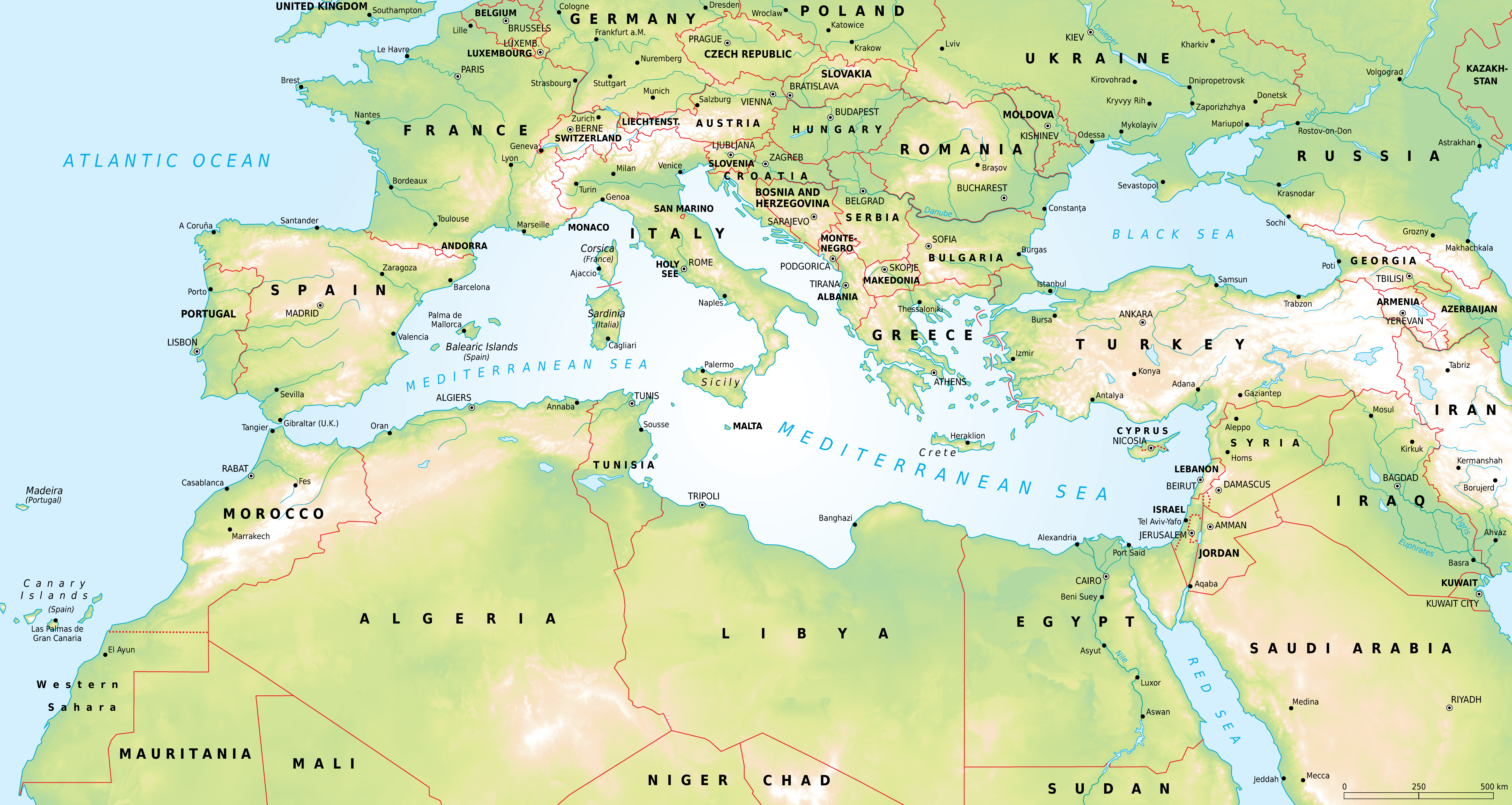
The map of the Eastern Mediterranean tells a story of acute geographical anxiety. Cyprus is a small island state sitting just a thirty-five minute flight from Tel Aviv, positioned in a maritime chokepoint that has drawn the intense focus of Israeli strategic planners. Over the past decade, this relationship has evolved from quiet diplomatic pleasantries into an operational integration that reaches deep into the Cypriot state.
When analysts ask whether Cyprus is turning into an Israeli outpost, they are usually looking at the wrong map. This is not a story of hostile acquisition or classic military occupation. It is a calculated alignment born of mutual vulnerability, where a tiny European Union member state and a regional military powerhouse are fusing their critical infrastructures under the pressure of chronic regional volatility.
To understand how this dynamic took shape, one must look at the mechanics of modern small-state survival. Cyprus has long faced an intractable division and the permanent shadow of Turkish military superiority across its northern third. Nicosia lacks the demographic depth or the defense-industrial capacity to deter an aggressive neighbor on its own. For decades, it relied on diplomatic balancing acts between Europe, the Arab world, and major global powers.
Israel, meanwhile, operates as an island of advanced technological and military capability surrounded by hostile actors, yet it suffers from severe geographic compression. Its strategic depth is measured in seconds of missile flight time. Expanding its operational horizon westward across the Mediterranean offers vital strategic breathing room.
The convergence of these two states accelerated around offshore natural gas discoveries. When massive hydrocarbon fields like Aphrodite and Leviathan were mapped beneath the seabed, the economic imperative for cooperation became undeniable. Energy security required joint defense frameworks, shared intelligence pipelines, and coordinated maritime patrols.
Yet the relationship quickly moved past gas fields and joint naval exercises. Today, Israeli fingerprints are stamped onto the vital systems that keep the Cypriot state functioning.
Consider water security. Mekorot, Israel's state-owned water management company, plays a foundational role in supplying hydration to a parched island enduring lengthening droughts. Consider air defense. The Cyprus National Guard has integrated advanced defense hardware manufactured by state-owned Israeli defense contractors, locking the island's anti-air architecture into technological ecosystems managed from Tel Aviv. Private Israeli medical networks now manage major healthcare operations on the island, while Israeli energy firms hold controlling stakes in core maritime energy infrastructure.
For Nicosia, outsourcing these functions to a technologically superior partner is an exercise in pragmatic realism. When your state budget cannot support indigenous high-tech defense industries or massive desalination projects, you buy off the shelf from the most capable provider available.
Critics inside Cyprus, however, view this creeping integration with profound alarm. Left-wing political factions and environmental groups argue that the Republic is trading one form of historic dependency for another, effectively transforming its sovereign territory into an offshore staging ground for foreign intelligence operations and military logistics. They point to joint military drills and intelligence-sharing agreements that pull Cyprus directly into the crosshairs of Middle Eastern rivalries—specifically drawing the ire of Ankara, which views the Nicosia-Athens-Tel Aviv axis as a direct geopolitical encirclement strategy.
Ankara’s concerns are not entirely unfounded. The trilateral framework binding Greece, Cyprus, and Israel has gradually institutionalized into a formidable diplomatic and military bloc. Regular air and naval exercises rehearse scenarios that range from protecting subsea energy pipelines to executing complex search-and-rescue and counter-drone operations. For Turkey, which asserts expansive maritime claims across the Eastern Mediterranean via contested agreements like its maritime demarcation with Libya, this bloc represents a hard ceiling on its regional ambitions.
The friction point for Cypriot diplomats lies in maintaining traditional ties with Arab states while granting extensive access to the Israeli military. Nicosia has historically cultivated deep diplomatic channels across the Middle East, viewing itself as a bridge between Europe and its southern neighbors. Walking that tightrope becomes exponentially more difficult when your primary defense modernization partner is locked in ongoing regional conflicts.
Yet, Israeli strategic analysts insist that the partnership is additive rather than exclusive. The argument from Tel Aviv frames a secure and prosperous Cyprus as a vital western anchor for Israel's own maritime security perimeter. In this view, a stable Cyprus prevents hostile non-state actors or rival regional powers from establishing forward naval bases directly on Europe's doorstep.
The relationship is also expanding into green energy grids and digital connectivity. Projects like subsea electrical links aim to tie the isolated Israeli power grid through Cyprus and onward into continental Europe, embedding the two economies into a permanent infrastructure web.
The reality on the ground is neither a clean narrative of imperial domination nor a simple story of mutually beneficial neighborly friendship. It is an asymmetric entanglement. Israel gains a secure operational extension in the Mediterranean, a friendly EU voting member, and a testing ground for advanced security technology. Cyprus gains a hard technological shield against existential security threats that its European partners have historically been too slow or too reluctant to counter directly.
Whether this deep alignment ultimately preserves Cypriot sovereignty or compromises its independent foreign policy remains the central gamble of Nicosia's modern statecraft. As long as the Eastern Mediterranean remains a theater of competing pipelines, contested maritime borders, and persistent kinetic threats, the island's fate will remain tethered to the security calculations of its powerful neighbor to the south.


