The glow of a smartphone screen at 2:00 AM does not look like a threat. It looks like a portal. For a teenager sitting cross-legged on a bed in a darkened room, that light is an invitation to belong, to be brave, to joke, and to exist in a space adults cannot reach. But lately, that same quiet glow has been steering children directly toward emergency rooms.
It happened five times in a single week in San Diego. Five separate homes. Five sets of parents waking up to the sound of frantic breathing, racing hearts, and eyes that looked right through them, trapped in a waking nightmare. Expanding on this idea, you can find more in: The Biomechanical Optimization of Pediatric Trauma Rehabilitation Under Siege.
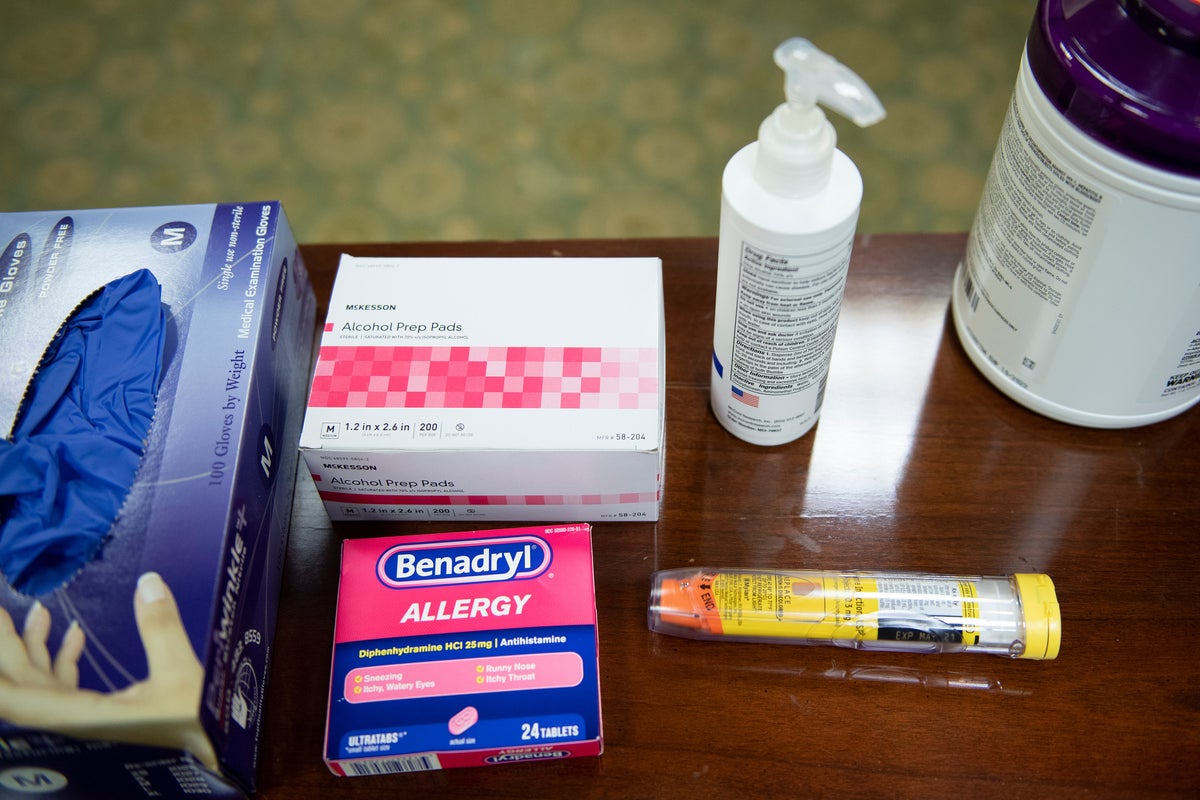
The culprit was not an illicit substance smuggled into a schoolyard. It was diphenhydramine. Most people know it as Benadryl.
We have entered an era where the most dangerous digital peer pressure does not happen in dark alleys, but in the sterile aisles of local pharmacies. The viral trend known as the Benadryl challenge asks adolescents to ingest massive, toxic quantities of the common over-the-counter allergy medication to induce hallucinations. They film the terrifying results for an audience of peers who double-tap, comment, and copy. Analysts at Mayo Clinic have also weighed in on this trend.
What the algorithms do not show is the sudden, violent shift from a teenage dare to a medical crisis.
The Illusion of the Safe High
To understand why a child swallows a dozen or more allergy pills, you have to understand how they perceive risk. To a fourteen-year-old, a blister pack sitting next to the toothpaste at home carries an inherent seal of safety. It is FDA-approved. Mom gave it to them when they had hives from a bee sting. It sits in a brightly colored box.
This familiarity breeds a lethal complacency.
Imagine a hypothetical teenager named Leo. He is fifteen, bored on a Tuesday night, and scrolling through a video feed. He sees a creator he likes laughing while describing the "trippy" effects of taking too many pink pills. The video is edited with fast cuts, upbeat music, and neon filters. It looks like a video game. It looks like a joke.
Leo does not see a drug. He sees a challenge. He sees a way to prove himself to a digital community that measures worth in views and comments.
He walks down the hallway, opens the medicine cabinet, and takes a handful. He thinks the worst-case scenario is that he gets incredibly sleepy or sees some funny shapes on the wall.
He is entirely wrong.
Diphenhydramine works by blocking histamine receptors to stop allergies, but in high doses, it attacks the central nervous system. It floods the body with anticholinergic toxicity. The human body begins to short-circuit.
What Happens When the Lights Go Out
The transition from a mild drowsiness to acute poisoning is terrifyingly swift. It begins with a dry mouth and blurred vision. The pupils dilate until the irises are almost invisible. Then, the heart begins to pound against the ribs like a trapped bird.
In the San Diego emergency rooms, healthcare workers did not just see drowsy kids. They saw patients experiencing severe agitation, confusion, and terrifying auditory and visual hallucinations.
These are not the vibrant, artistic visions depicted in pop culture. Anticholinergic hallucinations are dark, disjointed, and deeply distressing. Children see phantom insects crawling across their skin. They speak to people who are not in the room. They lash out in panic because they cannot distinguish between the bedroom they have slept in for years and a fractured reality born of chemical poisoning.
Worse than the terror is the physical jeopardy.
At toxic levels, the drug triggers severe cardiac arrhythmias. The heart loses its steady, rhythmic dance and begins to flutter erratically. Seizures can follow. In the most severe cases, the organs simply give up.
The line between a viral video and a fatal overdose is razor-thin. A few extra milligrams can mean the difference between a scary night in the ICU and a permanent tragedy.
The Algos That Feed the Fire
We cannot talk about the chemical danger without talking about the digital infrastructure that accelerates it.
Social media platforms are built on engagement. They do not have a moral compass; they have a mathematical formula designed to keep eyes glued to glass. When a video of a teenager taking a dangerous amount of medication starts getting traction, the system does not recognize danger. It recognizes profit. It pushes the content to more feeds, more screens, and more vulnerable minds.
By the time human moderators or algorithmic filters flag the trend and take the videos down, the spark has already caught. The challenge has already mutated, spreading through group chats and private messages.
This creates a massive disconnect between generations. Parents think they know what their children are doing because they are at home, safe in their rooms. We look at a closed bedroom door and feel a sense of security. But the internet has effectively dissolved the walls of our homes. A stranger can sit on your child's bed and dare them to poison themselves, and you would never hear a sound from the living room.
Flipping the Script on Prevention
The standard response to these crises is often loud panic followed by a lecture. We give assemblies at schools. We print warning labels. We tell kids to "just say no."
It fails. Every single time.
Adolescents are wired for risk-taking and social connection. It is a biological necessity of their developmental stage; they are learning to separate from their families and find their tribe. If we simply tell them an activity is dangerous, we often inadvertently make it more alluring. It becomes a test of bravery.
We have to change the narrative we present to them.
Instead of focusing solely on the medical horror, we need to strip the trend of its social currency. We need to show them the unvarnished reality of what happens behind the emergency room curtains. There is nothing cool, brave, or rebellious about sitting in a hospital gown, confused, hooked up to a heart monitor, while your terrified parents weep in the hallway corner.
We must also change how we manage our environments.
It is time to treat over-the-counter medications with the same level of security we reserve for prescription narcotics or household chemicals. Lockboxes are no longer just for prescription opioids. If a medication can hospitalize five children in a single city in a matter of days, it does not belong floating loosely in a junk drawer or sitting out on a kitchen counter.
The five families in San Diego are now picking up the pieces of a week they will never forget. Their children survived the physical toxicity, but the psychological echo of that kind of trauma lasts far longer than the chemicals stay in the bloodstream.
Tonight, millions of teenagers will sit in the dark, watching those same glowing screens. They will see challenges that promise clout, belonging, and a temporary escape from the mundane reality of adolescence.
The pink pills are sitting in the dark of the bathroom cabinet right now, quiet and accessible. They are waiting for the next child who thinks they are just playing a game.
The question is whether we will lock the door before the screen lights up again.