We eat gossip like candy and wonder why our collective attention span feels like wet cardboard. Every time a headline drops about a well-known figure facing a medical emergency, the digital machinery kicks into high gear. Vague updates, breathless speculation, and recycled statements pass for journalism. The lazy consensus says we care because we share a common humanity, a collective empathy for someone enduring physical suffering in the public eye.
Nonsense.
We watch because spectacle is a safe substitute for substance.
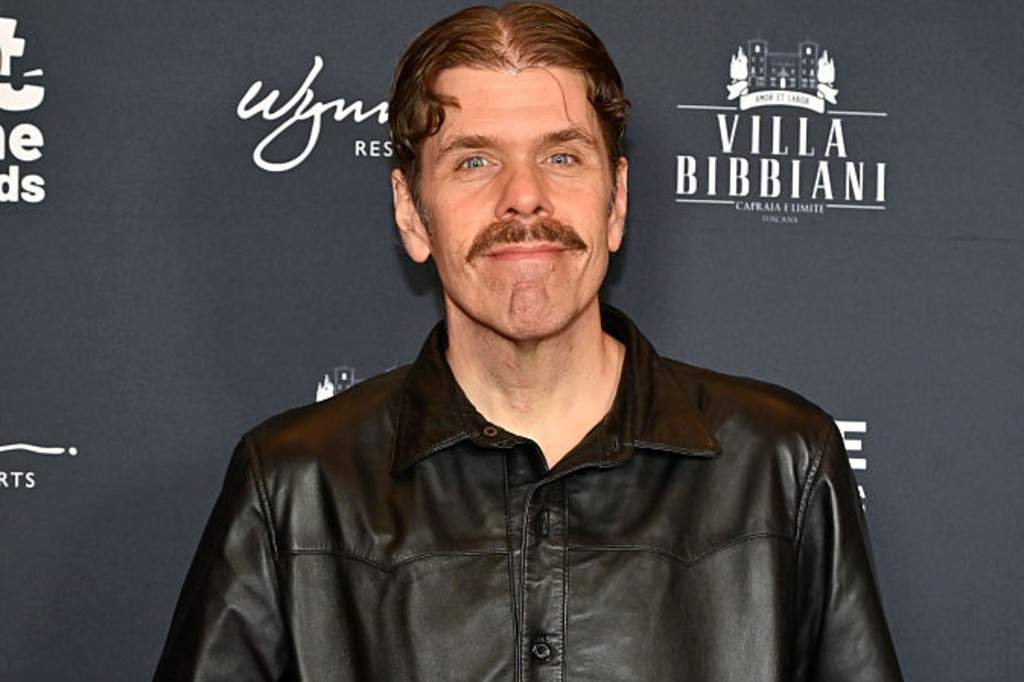
Take the recent cycle surrounding Perez Hilton facing major surgery and landing in a serious condition. The standard news loop treats this as a profound cultural event. Bulletins roll out. Social media algorithms reward rubbernecking. People type prayers into comment sections like they are inserting tokens into a slot machine, hoping for a ticket to emotional absolution.
Look past the algorithmic noise. Strip away the press releases and the calculated updates designed to maintain relevance. What remains is a stark reality about how modern media monetizes human vulnerability while shielding audiences from looking at anything that actually matters.
The Anatomy Of Manufactured Drama
Public relations teams write playbooks for crises long before a scalpel ever touches skin. When a prominent media personality hits a health wall, the initial updates follow a strict template. The phrase serious but stable does heavy lifting. It sounds alarming enough to command attention while remaining vague enough to protect future commercial interests.
I have watched public figures weaponize their medical charts to manage brand lifecycles. When a career stalls or public sentiment sours, vulnerability becomes a strategic asset.
Imagine a scenario where a high-profile figure uses a scheduled medical procedure to reset an abrasive public persona, transforming a private health hurdle into a masterclass in sympathy generation.
It works because the audience desperately wants to believe in redemption arcs. We project our own desires for a clean slate onto strangers who happen to have large follower counts. The media feeds this loop because outrage and sympathy generate identical metrics: clicks, shares, and ad revenue.
The Cost Of Consuming Manufactured Pain
Every hour spent refreshing a feed for updates on a celebrity's vital signs is an hour stolen from engagement with tangible, local realities. This is not about being cold or lacking empathy. Human suffering deserves compassion wherever it occurs. But selective empathy directed at wealthy icons while ignoring systemic failures in everyday healthcare is a form of emotional tourism.
The mechanics of celebrity news rely on proximity illusion. Platforms make you feel like you are standing in the hospital room, holding a vigil alongside family members. You are not. You are sitting at a screen, consuming targeted content designed to keep your eyeballs glued to a banner ad.
Consider the questions dominating search engines right now. People ask about recovery timelines, surgical risks, and private family statements. These queries assume the public has an inherent right to an intimate medical inventory. That assumption is broken.
Rewriting The Information Diet
Stop treating celebrity medical updates as news. Treat them for what they are: entertainment industry logistics wrapped in hospital gauze.
When a prominent name enters surgery, the medical details belong to them and their doctors. The public narrative belongs to nobody, which means it gets seized by algorithms designed to monetize your curiosity.
The counter-intuitive fix is simple. Starve the machine of your attention. Shift that exact same curiosity toward institutional healthcare realities in your own zip code. Examine why local emergency rooms face chronic shortages or how public health policy impacts actual neighbors who cannot afford a publicist to spin their medical charts.
Real life does not come with a press secretary. It is messy, unpolished, and entirely devoid of dramatic background music.
Next time a breathless headline flashes across your screen demanding your emotional investment in a famous body under the knife, close the tab. Look at your own backyard.
True clarity begins the moment you stop watching the actors and start examining the stage.