The consumer wellness market frequently obfuscates physiological mechanisms behind vague marketing copy regarding energy flows and stress relief. The acupressure mat—a high-density foam pad covered in thousands of sharp polymer spikes—is typically framed as an intimidating yet mystical tool for physical recovery. Stripping away the wellness rhetoric reveals a mechanical stimulus that interfaces directly with the human nervous and vascular systems. When analyzed through the lens of applied physiology, the tool functions not by magic, but by triggering a predictable cascade of neurological and circulatory responses. Optimizing its use requires understanding the exact cost-benefit function of cutaneous nociception.
The Biomechanical Architecture of Mechanical Cutaneous Stimulation
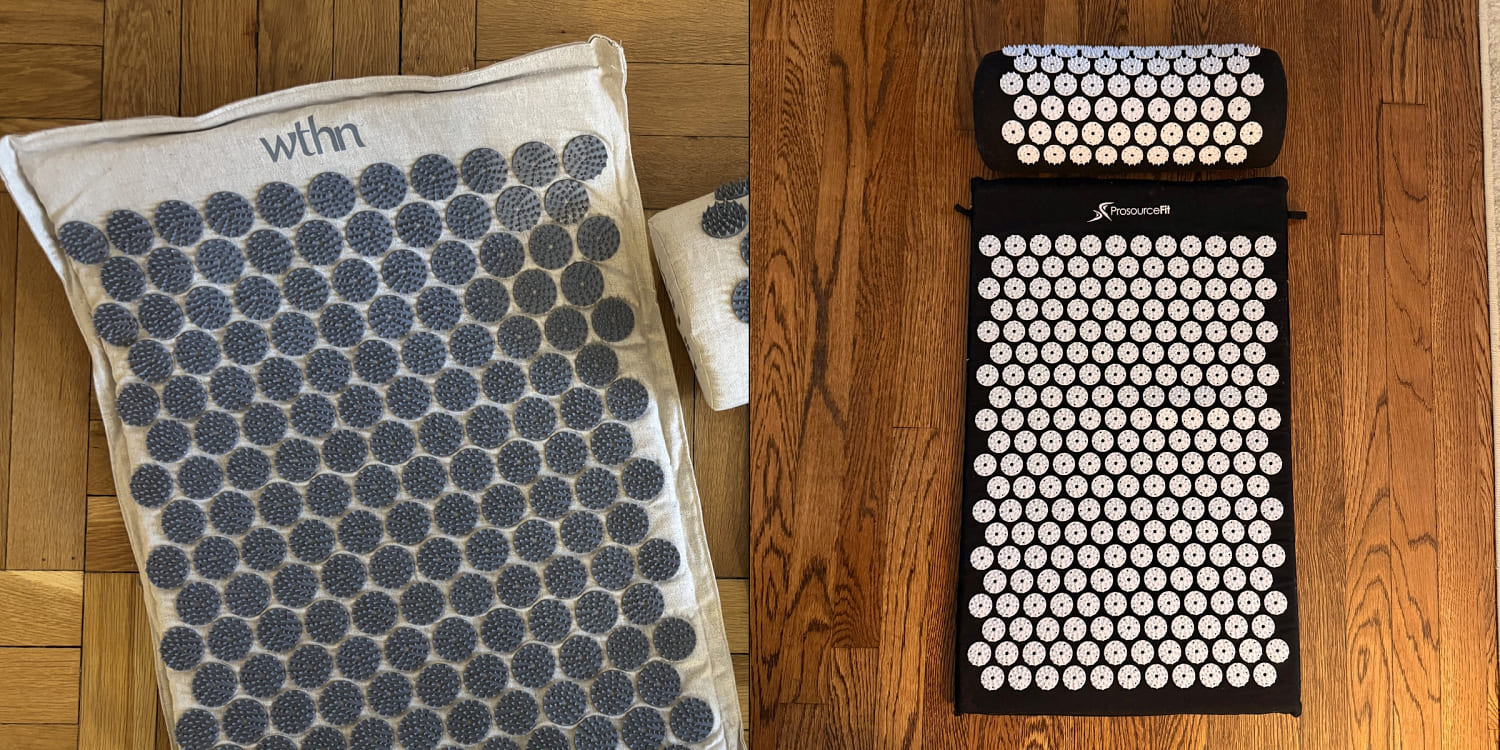
To evaluate the utility of an acupressure mat, one must first define its physical parameters. A standard mat contains between 6,000 and 8,000 engineered plastic points. When a user lies on the mat, their total body weight is distributed across these points. This configuration establishes a inverse relationship between surface area contact and localized pressure intensity.
The structural efficacy relies on three distinct physiological pillars.
- Vascular Hyperemia: The mechanical penetration of the spikes against the skin—without puncturing the epidermal layer—creates localized mechanical stress. The body responds to this micro-trauma by releasing nitric oxide, a potent vasodilator. This expands blood vessel walls, accelerating local blood flow to the targeted region.
- Nociceptive Gating: The sharp sensation stimulates A-delta and C nerve fibers. By flooding the central nervous system with benign sensory inputs, the mat disrupts the transmission of chronic, low-level pain signals originating from deeper muscle tissues.
- Diffuse Noxious Inhibitory Control (DNIC): The brain perceives the widespread, intense cutaneous discomfort as a systemic threat. In response, the periaqueductal gray region activates an endogenous opioid release, flooding the system with endorphins to dampen the perceived discomfort.
This tri-coupling of vasodilation, pain gating, and endorphin release forms the baseline operational framework of the tool.
The Neurological Toggle: Shifting Autonomic States
The primary systemic benefit of cutaneous pressure is the transition of the autonomic nervous system from a sympathetic (fight-or-flight) state to a parasympathetic (rest-and-digest) state. The initial contact with the mat invariably spikes the sympathetic nervous system due to the acute discomfort of the plastic points. The heart rate increases slightly, and respiration becomes shallow.
Surviving the initial three-minute threshold alters the neurological feedback loop. As the brain recognizes that the cutaneous puncture threat is static and non-destructive, the DNIC mechanism takes over.
[Initial Spike Contact] -> [Sympathetic Activation (0-3 Mins)] -> [Endogenous Opioid Release] -> [Parasympathetic Shift (3+ Mins)]
This shift induces a measurable drop in muscle tonus. Chronic back pain and stress-induced tension often manifest as a continuous, low-grade contraction of the paraspinal muscles. By forcing a parasympathetic transition, the mat interrupts this tonic loop, allowing myofascial structures to return to their resting lengths.
Quantifying the Recovery Protocol: A Stratified Framework
Applying an acupressure mat without a structured protocol yields inconsistent physiological results. The duration, positioning, and skin-to-spike barrier must be calibrated based on the user's specific recovery objective.
Phase 1: The Acclimatization Window (Minutes 1 to 5)
During this opening stanza, the goal is sensory habituation. The user must focus on deep, diaphragmatic breathing to actively suppress the sympathetic fight-or-flight reflex. Removing the barrier of clothing maximizes the mechanical input, but beginners can utilize a thin cotton shirt to distribute the load across a broader surface area, reducing the localized pressure vector.
Phase 2: The Hyperemic Peak (Minutes 5 to 15)
By minute five, localized vasodilation reaches its zenith. The skin surfaces in contact with the spikes will exhibit significant erythema (redness) and heat, indicating a massive influx of oxygenated blood. This phase is optimal for metabolic waste clearance in post-exertion athletes, flushing out lactic acid and cellular debris accumulated during high-intensity training.
Phase 3: The Endorphin Plateau (Minutes 15 to 30)
Prolonged exposure triggers the maximum release of beta-endorphins and oxytocin. This window yields the profound psychological relaxation and systemic analgesia required for treating chronic sleep latency and high cortisol states. Extending use beyond 30 minutes offers diminishing returns and increases the risk of superficial skin irritation.
The Constraints and Failure Modes of Cutaneous Compressive Therapy
No recovery modality operates without strict boundary conditions. The primary limitation of the acupressure mat is its superficial nature; the spikes cannot physically penetrate or directly massage deep muscle tissue layers like a licensed physical therapist or a targeted percussive therapy device. It remains an indirect tool that leverages the nervous system to affect deep tissue.
Furthermore, specific contraindications exist. Individuals with coagulation disorders or those taking anticoagulant medications face elevated risks of subdermal hematoma due to the intense localized hyperemic response. Similarly, dermatological conditions such as eczema, psoriasis, or open wounds render the mat unusable due to the risk of exacerbating inflammation or introducing infection.
The tool also presents a psychological bottleneck. Users with low pain thresholds often fail to transcend the initial sympathetic spike of the first three minutes. Because they tense their muscles to resist the discomfort, they actively counteract the parasympathetic goals of the therapy, rendering the session counterproductive.
Systemic Integration and Strategic Recommendation
To extract maximum utility from an acupressure mat, treat it as a tactical recovery component rather than a standalone cure-all. The optimal deployment window is immediately pre-sleep or within a two-hour post-workout window.
For maximum efficacy, position the mat on a semi-firm surface like a yoga mat or carpeted floor rather than a soft mattress; a surface that is too compliant deforms under body weight, reducing the pressure differential needed to trigger the vascular and neurological responses. Align the mat explicitly with the paraspinal muscles, ensuring the cervical curve of the neck is supported by a rolled towel placed underneath the mat to maintain structural contact. Track recovery outcomes not by subjective relaxation, but by quantifiable metrics: a reduction in sleep latency times or an increase in heart rate variability (HRV) measured the following morning. If HRV scores consistently fail to improve or if sleep latency remains unchanged after a 14-day cycle of nightly 20-minute sessions, the user's physiological baseline requires deeper interventions than superficial mechanical stimulation can provide.