The declaration of an open-ended military presence across Gaza, Lebanon, and Syria marks a structural transition from reactionary counter-terrorism to a permanent strategy of perimeter containment. This posture treats geopolitical borders not as political boundaries, but as active security buffers requiring continuous kinetic management. Executing this strategy requires balancing a complex equation: matching long-term operational attrition against domestic economic endurance and international alliance thresholds.
To understand the long-term feasibility of this multi-theater strategy, the operational models of each distinct territory must be isolated and evaluated based on their unique friction points and strategic objectives.
The Tri Theater Framework of Active Containment
The current posture distributes military assets across three distinct geographic spaces, each presenting a separate operational challenge and requiring a different expenditure of military resources.
The Gaza Friction Model: Total Interdiction and Governance Vacuum
In Gaza, the objective has shifted from conventional maneuver warfare to localized counter-insurgency and structural denial. The military framework relies on permanent geographical bifurcation—such as the control of strategic corridors—to restrict the movement of personnel and materiel.
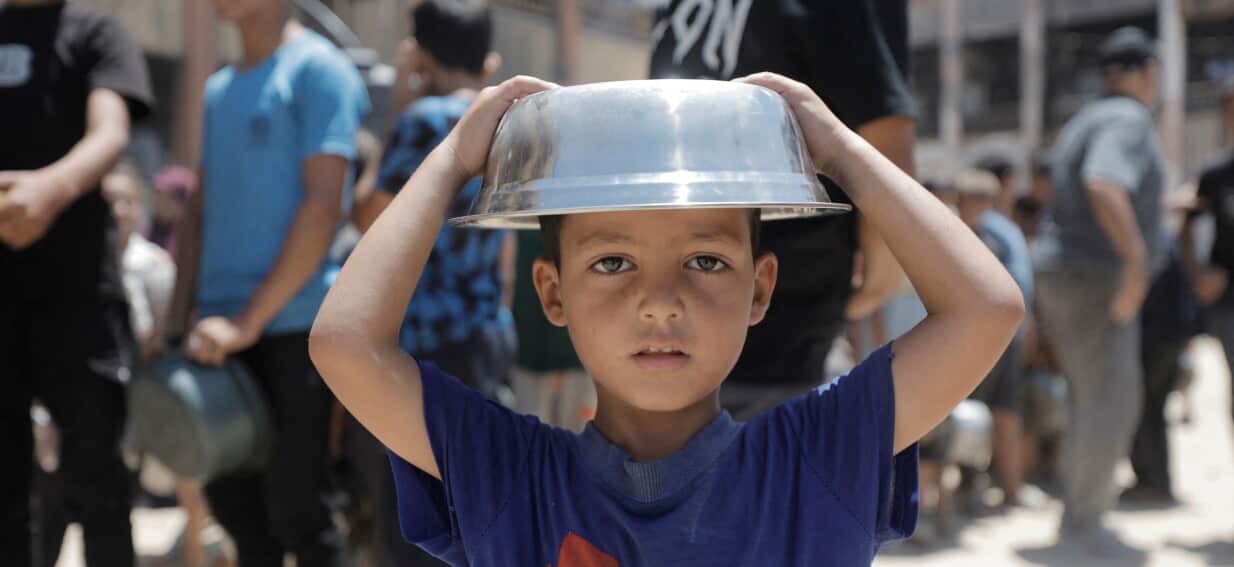
The primary operational challenge is managing a structural governance vacuum. Denying administrative control to hostile factions requires the continuous application of kinetic pressure. Without a transfer of civil administration to a neutral third party, the military becomes the de facto administrative authority. This creates a high-density deployment model, requiring significant manpower to secure infrastructure, manage humanitarian logistics, and execute repetitive clearing operations against asymmetrical insurgent remnants.
The Lebanon Friction Model: Active Buffer Enforcement
The operational logic in Lebanon operates on an attrition-based deterrence framework rather than total territorial control. The objective is enforcing a demilitarized zone south of strategic geographic markers, such as the Litani River, through active patrolling and rapid-response kinetic strikes.
Unlike the high-density urban counter-insurgency seen in Gaza, the Lebanon theater demands high-intensity, specialized combat units capable of operating in mountainous terrain and neutralizing fortified underground infrastructure. The threat profile is characterized by advanced anti-tank guided missile (ATGM) networks and short-range rocket capabilities. Maintaining a presence here requires continuous anti-missile defense readiness and localized offensive operations to prevent the re-establishment of forward launch positions.
The Syria Friction Model: Deep Logistics Interdiction
The Syrian theater represents an asymmetric interdiction campaign focused on supply chain disruption. The operational objective is the systematic destruction of advanced conventional weapons shipments, drone assembly facilities, and command nodes linked to external state actors, primarily Iran.
This theater requires a lower physical footprint on the ground but demands significant capital-intensive air assets, electronic warfare capabilities, and deep intelligence penetration. The primary risk vector is strategic miscalculation with major global powers, such as Russia, which maintain an active military presence and air defense architecture in the country. Operational success depends on maintaining clear deconfliction channels while executing high-precision strikes.
The Cost Function of Long Term Deployment
Sustaining a military footprint across three active fronts generates compounding financial, material, and human capital costs that challenge conventional defense economic models.
Total Strategic Cost = C(Manpower) + C(Materiel) + C(Macroeconomic Friction)
Human Capital and Reserve Component Attrition
A permanent multi-theater posture alters the historical balance between the standing army and the reserve component. Continuous deployments require frequent mobilization cycles for reservists, creating direct friction with civilian economic production.
- Labor Force Disruption: The prolonged removal of highly skilled workers from sectors like technology, manufacturing, and healthcare reduces gross domestic product (GDP) output.
- Operational Fatigue: Repetitive deployments reduce unit readiness, accelerate burnout, and complicate long-term retention rates among officer corps and specialized technical personnel.
- Training Deficits: Shifting reserve units directly into active combat roles reduces the time available for large-scale, multi-domain tactical training, degrading conventional warfare capabilities over time.
Materiel Consumption and Supply Chain Vulnerabilities
The rate of munitions consumption in multi-theater containment operations tests domestic production limits and creates critical dependencies on foreign supply lines. High-intensity artillery usage, interceptor missiles for multi-layered air defense systems (such as Iron Dome, David's Sling, and Arrow), and precision-guided air-to-ground munitions require continuous replenishment.
This consumption rate creates a strategic vulnerability. If domestic manufacturing cannot match expenditure rates, military operations become vulnerable to external diplomatic pressure or global supply chain bottlenecks. Securing raw materials, microelectronics, and explosives requires long-term capital allocation and shifts national priorities toward a wartime industrial economy.
Macroeconomic Instability and Fiscal Deficits
Financing an indefinite war footing requires a reallocation of national capital, altering economic stability through three main channels:
- Exploding Defense Budgets: Diverting capital from infrastructure, education, and research to fund active operations creates a structural deficit, increasing national debt-to-GDP ratios.
- Sovereign Credit Rating Downgrades: Prolonged conflict elevates the country's risk profile, increasing borrowing costs on international capital markets and restricting access to foreign direct investment.
- Currency Volatility: Continuous geopolitical tension puts downward pressure on the local currency, increasing the cost of imported goods and requiring central bank interventions to stabilize inflation.
The Friction Points of International Alignment
An indefinite military presence across Lebanon, Syria, and Gaza creates unavoidable tension with international allies and regional partners. Strategic success depends heavily on maintaining diplomatic coverage and economic integration, both of which face pressure during long-term occupations.
Alliance Erosion and Diplomatic Isolation
The strategic goals of a state engaged in permanent containment often diverge from those of its global partners, who prioritize regional stability, maritime trade security, and international legal norms. Prolonged conflict can isolate a state from traditional allies, manifesting as:
- Conditional military aid packages and restrictions on weapon transfers.
- Reduced intelligence-sharing agreements on non-immediate threats.
- Reluctance from international bodies to fund postwar reconstruction or stabilization initiatives.
Regional Integration Bottlenecks
Long-term military actions can stall or reverse diplomatic normalization efforts with regional neighbors. Economic partnerships, regional energy integration projects, and joint security architectures designed to counter state-sponsored threats are often paused when domestic public pressure forces regional governments to distance themselves from prolonged military campaigns.
Definitive Strategic Forecast
The assertion of remaining in Lebanon, Syria, and Gaza "as long as required" will likely lead to a shift toward a highly fortified, technology-dependent containment infrastructure. To manage human capital costs, the military will probably replace high-density troop deployments with automated border systems, remote-controlled weapon stations, and continuous drone surveillance.
Gaza will likely be managed through a system of restricted perimeters and fortified access points, keeping the population isolated while allowing rapid, targeted entry for counter-insurgency operations. In Lebanon, the strategy will center on maintaining a dynamic buffer zone through targeted airstrikes and special forces raids to disrupt hostile infrastructure without attempting permanent territorial administration. In Syria, high-precision air campaigns will continue to target logistics hubs, adjusting in intensity based on regional intelligence and international deconfliction limits.
This permanent wartime posture will require a restructured domestic economy. The state will need to accept structurally higher inflation, increased tax burdens, and a larger domestic defense industry to reduce reliance on external suppliers. Ultimately, the long-term viability of this strategy depends on whether defensive technological innovations can outpace the asymmetric adaptation and economic endurance of regional adversaries.