While you were offline enjoying your weekend, a series of massive geopolitical shifts, tech disruptions, and cultural milestones quietly unfolded. Keeping up with everything is exhausting. You don't need a play-by-play of every minor event, but you do need to understand the critical developments that are actively reshaping the global stage right now.
From a historic, intra-party clash over an impending Middle East peace deal to a groundbreaking intellectual property lawsuit in the AI space, the events of the last 48 hours will have massive ripple effects. Here is the breakdown of the most critical news you missed this weekend and exactly why it matters.
Inside the Fractured US Iran Peace Deal Negotiations
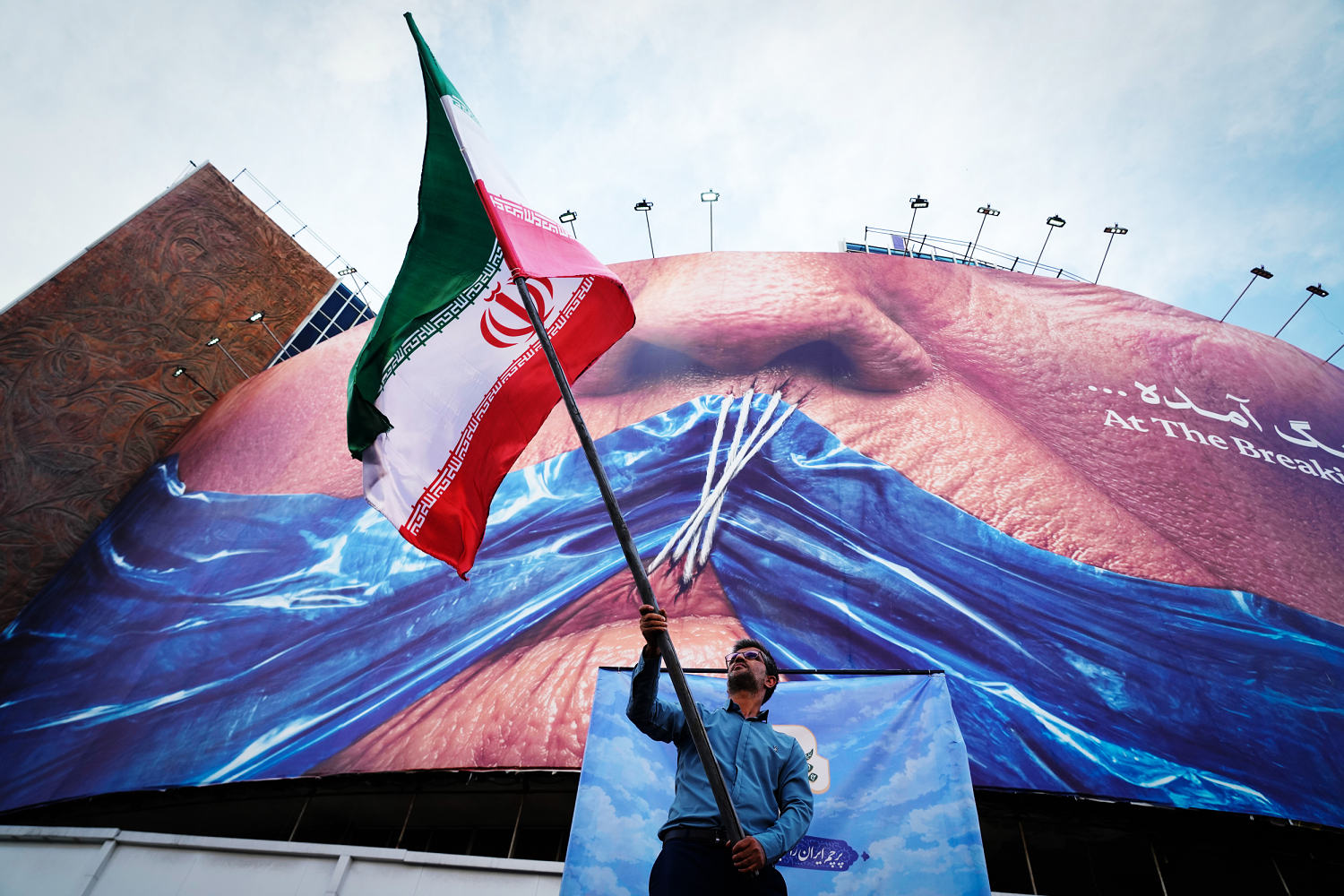
The biggest story of the weekend centers on a dramatic diplomatic breakthrough that is simultaneously triggering a fierce political civil war in Washington. President Donald Trump announced that a peace deal with Iran has been largely negotiated, aimed at ending the destructive military conflict in West Asia that ignited earlier this year.
The core of the memorandum of understanding involves Iran reopening the blockaded Strait of Hormuz. That is a massive deal for global oil stability. However, the cracks in the agreement are already showing, and they are coming from inside the White House's own camp.
Senior Republican senators are openly breaking ranks to criticize the administration's strategy. Senator Lindsey Graham publicly voiced intense skepticism, arguing that leaving the Iranian regime in a strong regional position creates a long-term nightmare for regional allies. The massive point of contention? The current framework reportedly omits restrictions on Iran's nuclear program and its stockpile of 60% enriched uranium.
Iran insists nuclear issues are entirely off the table for this specific negotiation, while US Secretary of State Marco Rubio indicated in New Delhi that a formal announcement could drop at any moment. It is a high-stakes gamble. If the deal goes through, it secures a vital global shipping lane but leaves a massive nuclear question mark completely unanswered.
A Secret Summit Clash and Rising Defenses in Asia
Tensions in East Asia escalated further this weekend as details leaked regarding the recent private summit between Chinese President Xi Jinping and US President Donald Trump in Beijing. Diplomatic sources revealed on Sunday that Xi fiercely condemned Japanese Prime Minister Sanae Takaichi during the meetings.
Xi reportedly labeled Takaichi's aggressive push to expand Japan's military capabilities as neo-militaristic. This anger stems directly from Takaichi's bold declarations in parliament suggesting Japan could deploy its defense forces if a conflict erupts over Taiwan.
Instead of backing down, Japan doubled down this weekend. Tokyo confirmed that the Filipino military will remain a recipient of Japan's official security assistance framework for the fourth consecutive year. Prime Minister Takaichi is scheduled to meet Philippine President Ferdinand Marcos Jr. in Tokyo on Thursday to solidify this defense partnership. As China asserts more dominance in the South China Sea, Japan is rapidly building a defensive wall of alliances right before our eyes.
The Voice Actor Fight Back Against Unchecked AI Cloning
The wild west of generative AI hit a major legal roadblock in Tokyo this weekend. Renowned Japanese voice actor Kenjiro Tsuda officially filed a lawsuit demanding that TikTok's parent company immediately scrub videos using an unauthorized AI imitation of his voice.
This isn't just an isolated dispute over entertainment content. It is a flashpoint for intellectual property rights in the age of automation. Synthesized voice models are flooding social platforms, but Tsuda's legal action draws a hard line in the sand regarding consent, compensation, and identity theft.
The entertainment industry is watching this case incredibly closely. If the court rules in favor of Tsuda, it sets a massive precedent that could force tech platforms to implement aggressive, proactive filters to stop unauthorized voice clones. The days of consequence-free AI scraping are rapidly coming to an end.
Historical Firsts and Sudden Departures
The sports and culture worlds delivered a few jaw-dropping moments over the weekend that deserve your attention.
- History at the Japanese Oaks: 22-year-old jockey Seina Imamura became the first female rider from the Japan Racing Association to win a prestigious Grade 1 race. She guided her horse, Juryoku Pierrot, from the absolute back of the pack to a stunning victory in the final stretch of the 2,400-meter race.
- Cannes Film Festival Triumphs: Tao Okamoto made history as the first Japanese actress to win the Best Actress award at Cannes, sharing the honor with Belgian-French performer Virginie Efira for their roles in the Ryusuke Hamaguchi film All of a Sudden.
- A Sudden Retirement: DeNA BayStars slugger Dayan Viciedo shocked baseball fans by announcing his mid-season retirement immediately following Sunday's game against the Hiroshima Carp, ending a stellar decade-long career in Nippon Professional Baseball.
- Sumo Shockwave: Komusubi Wakatakakage pulled off an incredible upset at the Summer Grand Sumo Tournament, defeating ozeki Kirishima in a thrilling tiebreaker to capture his second career Emperor's Cup.
What You Should Do Next
The world is moving fast, and these developments change the landscape of global politics, tech, and labor rights. To stay ahead of these shifting dynamics, keep an eye on how the market reacts to the upcoming Strait of Hormuz announcements. Watch the tech policy space for updates on the TikTok AI voice lawsuit, as the outcome will directly influence copyright laws globally. Talk to your peers about how regional defense shifts in Asia might impact international supply chains. Stay informed, look past the headlines, and pay attention to the systemic changes happening beneath the surface.