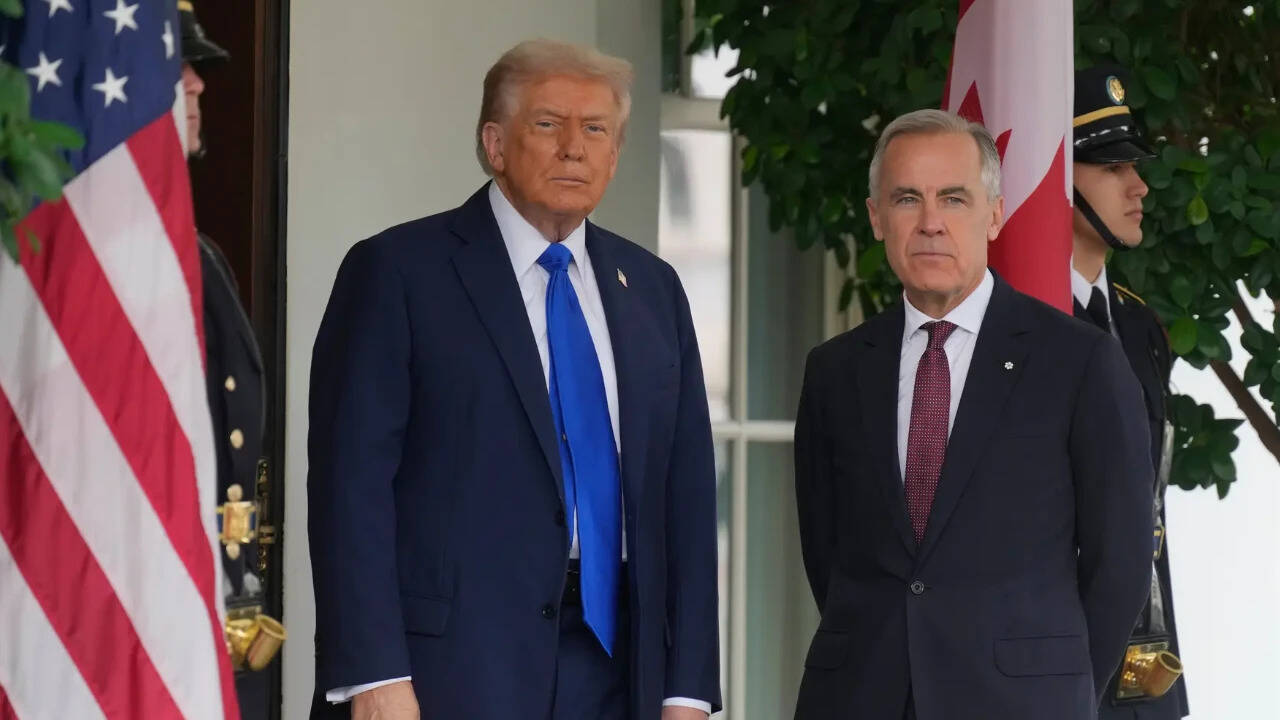
Canadian Prime Minister Mark Carney didn't hold back when addressing Washington's latest digital barrage. Telling the Trump administration to stop posting memes, dropping shade, and acting tough isn't standard diplomatic language. It's a clear signal that relations between Ottawa and its southern neighbor have hit a raw, highly public nerve.
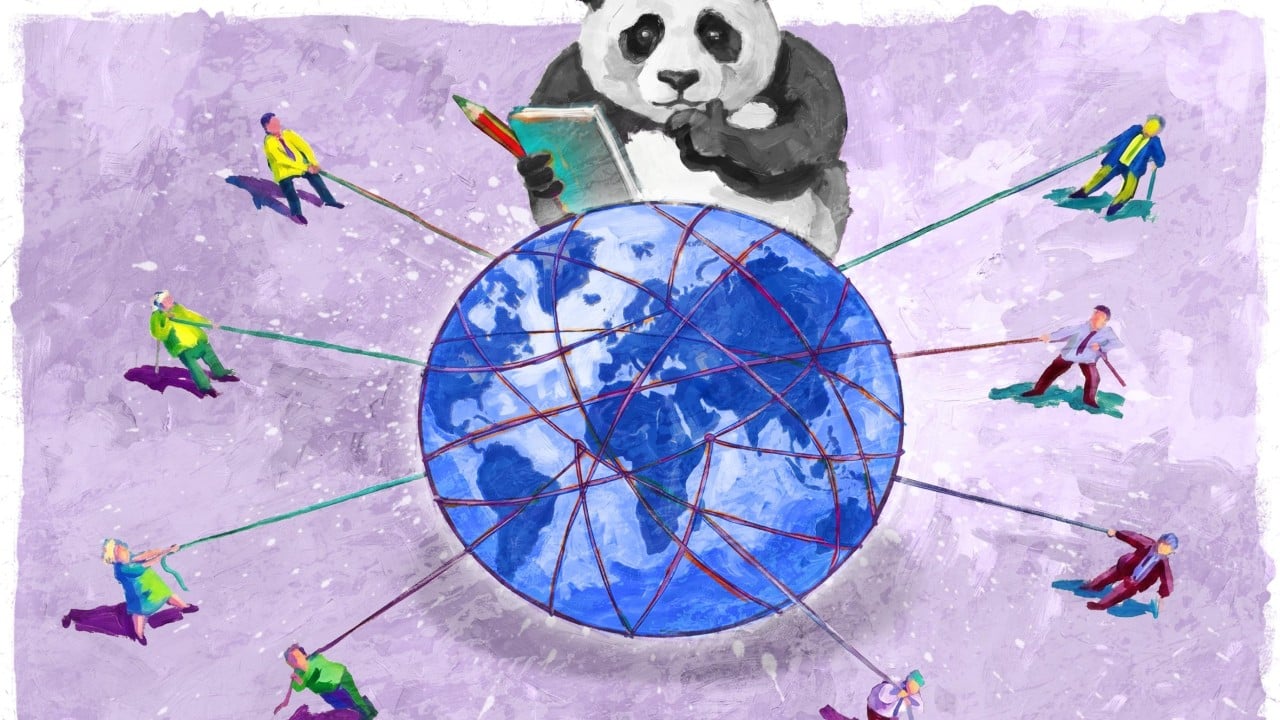
Trade negotiations collapsed on August 21, and things have spiraled downhill ever since. Instead of working through diplomatic channels, the cross-border feud spilled directly into social media feeds and executive orders. President Trump signed an order to rename Lake Ontario "Lake America" and floated ideas about absorbing Canada as the fifty-first state. Meanwhile, U.S. Treasury Secretary Scott Bessent pointed out that Canada cannot go toe-to-toe with an economy thirteen times larger.
Carney drew a hard line during a press conference in Ottawa. He made it clear that Canada won't return to the negotiating table until the United States drops the online posturing and gets serious.
What Broke the Trade Talks
The breakdown wasn't just about hurt feelings or internet trolling. The core of the collapse rests on heavy structural disagreements over economic sovereignty and industrial survival.
Washington pushed demands that would have effectively reduced Canadian industries to American subsidiaries. According to Carney, the proposed terms would have gradually wound down key domestic sectors, including the vital auto industry, leaving them wiped out over time. On top of that, the U.S. side demanded limits on Canada's right to strike independent trade deals elsewhere, alongside changes that threatened French-language and cultural protections in Quebec.
Canada refused to sign away its independence. Carney argued that any single one of those demands was enough to tank an agreement.
"Canada is a sovereign state," Carney told reporters. "We will strike free trade deals with the countries we wish to strike free trade deals."
The Escalation Game
The rhetoric grew uglier when U.S. Secretary of War Pete Hegseth posted an image of two female Canadian cadets from a training center in British Columbia, adding a mocking caption. Carney blasted the post as entirely beneath the dignity of their office. While the Pentagon stood by the post, it added fuel to an already volatile fire.
This digital taunting coincides with punishing economic measures. Washington slapped a 50 percent tariff on roughly $20 billion worth of Canadian goods. Ottawa isn't absorbing that blow quietly. Canada's retaliatory tariffs on $20 billion of U.S. products are locked in, with duties ranging from 15 to 50 percent.
Domestically, Carney's hardline stance is getting a political boost. A recent Liberal sweep in key special elections—including a notable victory in Quebec—strengthens his position at home. Analysts note that annexation threats and attacks on cultural identity play exceptionally poorly in Quebec, uniting voters behind a defense of sovereignty.
Where the Economy Goes From Here
Both sides claim they are open to a deal, but the path forward remains blocked by stubborn fundamentals. Carney admits there were mutually beneficial elements on the table before talks derailed. Yet, those elements dissolved as Washington pushed for total dominance.
If you're watching cross-border supply chains or running a business exposed to North American trade, expect high volatility through September. The scheduled implementation of Canada's counter-tariffs means businesses on both sides of the border are about to absorb higher costs.
Carney insists that cooler heads could eventually prevail if negotiations reset on equal terms. Until the meme-posting stops and mutual respect returns, expect a prolonged standoff where economic pain is traded dollar for dollar.