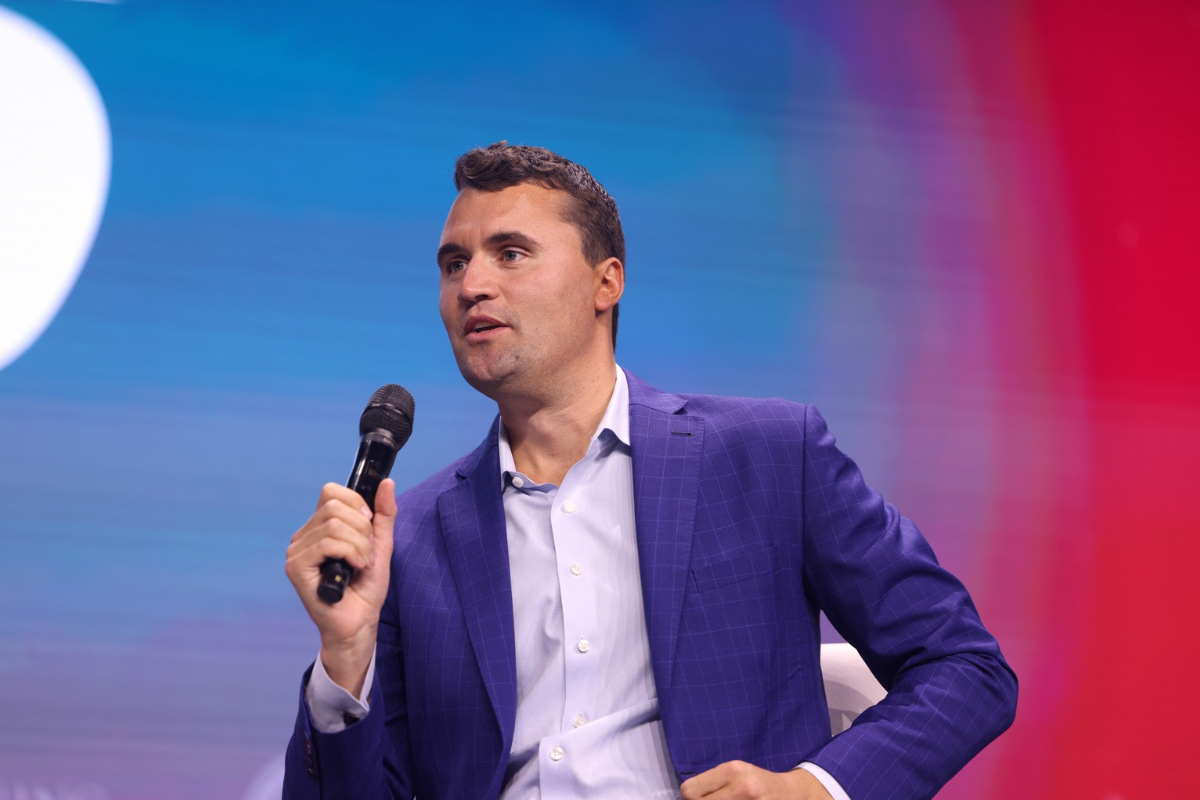
Mark Carney standing next to Volodymyr Zelenskyy promising massive Canadian capital to reconstruct Ukraine sounds wonderful on the evening news. It plays well to domestic audiences desperate for a feel-good geopolitical narrative. It feeds the lazy consensus that international finance acts as a magic wand capable of erasing the structural scars of war through sheer willpower and well-intentioned bond issuance.
It is also an economic fantasy.
I have spent years watching sovereign states and development banks throw money at broken infrastructure without altering the underlying incentive structures. When political figures talk about post-war reconstruction as a blank-check charity project, they misunderstand how capital allocation actually works in high-risk jurisdictions. You cannot simply drop billions of dollars into a geography recovering from conflict and expect a modern, transparent economy to spring up overnight like a pop-up tent.
Let us dismantle the prevailing orthodoxies surrounding how Ukraine gets rebuilt, starting with the fatal flaw in how we view foreign aid.
The Aid Fallacy and the Myth of Sovereign Charity
The conventional wisdom goes like this: Western governments pledge funds, international contractors fly in, concrete is poured, and the economy restarts. This model assumes capital is the primary constraint. It is not. Institutional capacity, security guarantees, and structural corruption controls are the real bottlenecks.
Imagine a scenario where Canada transfers ten billion dollars directly into Ukrainian reconstruction funds tomorrow. Without radical administrative reform, that money does not build modern hospitals or high-speed rail lines. It leaks into legacy procurement networks, inefficient state monopolies, and bureaucratic black holes.
Carney knows finance. He understands risk-adjusted returns. Yet, his public-facing rhetoric treats public capital injection as a substitute for private investment appetite. Private capital does not flow because a former central banker gives an inspiring speech in Kyiv. Private capital flows when the risk-reward ratio makes sense. Right now, with active hostilities and uncertain legal protections, that ratio is radioactive.
Instead of treating Ukraine as a recipient of endless state-sponsored charity, we need to look at what actually drives economic survival in shattered states: hyper-localized resilience, decentralized tech integration, and brutal market efficiency.
Why Centralized Reconstruction Plans Fail
Top-down state planning has a miserable track record in peacetime. Applying it to a post-conflict zone is an economic suicide mission.
When bureaucrats in Ottawa or Brussels design a master blueprint for a foreign city, they optimize for checkboxes, not market realities. They want ESG compliance metrics, diverse supplier mandates, and bureaucratic oversight committees that take years to approve a single bridge repair. Meanwhile, local entrepreneurs on the ground in Lviv and Kyiv are already bootstrapping solutions using private capital and digital agility.
Let us look at the numbers. Historically, large-scale international aid packages suffer from massive friction costs. A substantial percentage of pledged funds never touches the ground; it gets absorbed by administrative overhead, consultancy fees paid to Western firms, and insurance premiums required to operate in high-threat environments.
The structural flaw in the Carney doctrine is its reliance on institutional intermediaries. Ukraine does not need another layer of international bureaucracy telling its citizens how to spend foreign currency. It needs direct access to trade routes, technology transfer, and deregulation that allows small businesses to operate without paying protection money to old-guard bureaucrats.
The Private Sector Will Not Rescue a Sovereign Vacuum
The mainstream narrative assumes private institutional investors are just waiting for the ceasefire to sign multi-billion-dollar infrastructure deals. This is wishful thinking.
Institutional capital requires predictable legal frameworks, dependable contract enforcement, and robust property rights. When a country's land registry is partially compromised, physical assets face ongoing kinetic risks, and the judiciary remains tied to historical corruption patterns, Wall Street and Bay Street stay on the sidelines. No amount of political signaling changes fiduciary duty. Fund managers cannot explain to their limited partners why they invested pension funds into a war zone without ironclad guarantees.
The uncomfortable truth is that foreign direct investment will not return en masse until the domestic market proves it can self-police its worst impulses. That has nothing to do with how many billions Canada or the G7 promise on paper. It has everything to do with whether local courts can settle a commercial dispute without a bribe.
Stop Treating Ukraine Like a Museum Exhibit
The most insidious aspect of the current reconstruction discourse is the paternalism baked into it. Western leaders talk about Ukraine as if it were a fragile museum piece that needs to be restored to its exact 2021 condition, only with greener paint and digital smart-meters.
This approach ignores the reality that the old Ukrainian economy was deeply flawed, over-reliant on oligarchic heavy industry, and burdened by sclerotic Soviet-era infrastructure. Rebuilding it the way it was is an invitation for the exact same systemic vulnerabilities to re-emerge.
A genuine recovery strategy requires creative destruction. Let the old inefficiencies stay buried under the rubble. Ukraine's best path forward lies in leapfrogging legacy systems entirely—building a hyper-digitized, decentralized, low-tax economy that attracts risk-tolerant entrepreneurs who view chaos as an arbitrage opportunity rather than a deterrent.
Mark Carney can pledge all the political solidarity he wants. Until international policymakers stop treating economic recovery as a public relations exercise and start treating it as a ruthless exercise in institutional restructuring, these grand announcements will remain what they are: expensive poetry designed for the headlines.
The reconstruction of Ukraine will not be funded by compassionate bankers in tailored suits. It will be forged by survivors operating in the grey markets who figured out how to build a functional enterprise while the rest of the world was still holding press conferences.