Washington is rewriting the rules of engagement across South America. U.S. Secretary of State Marco Rubio just wrapped up a high-stakes, three-nation tour in Lima, Peru, cementing a aggressive new security pact aimed squarely at Latin America's sprawling drug cartels. If you think this is just another diplomatic meet-and-greet, look closer. The Trump administration is stitching together a right-leaning regional coalition to hunt transnational crime syndicates with hard military power.
Rubio's itinerary took him straight through conservative-led strongholds, stopping first with Colombia's President Abelardo de la Espriella and Ecuador's President Daniel Noboa before landing in Peru. The core objective? Enlisting local governments into the U.S.-led "Shield of the Americas" coalition. This initiative moves past traditional law enforcement cooperation. We are talking about joint military operations, intelligence sharing, and immediate cross-border strike coordination against organizations labeled as narcoterrorists.
Why Peru Just Became Ground Zero
Peru occupies a massive footprint in the global narcotics trade. According to United Nations data, it stands as the world's second-largest cultivator of coca leaf, trailing only Colombia. For years, vast swaths of the Peruvian jungle have functioned as unchecked factories for cocaine production, feeding international markets in North America and Europe.
Domestically, Peru is boiling over. Street-level crime has spiked dramatically. Official data shows extortion cases skyrocketed from 2,421 in 2019 to a staggering 26,734 in 2025. President Keiko Fujimori stepped into office facing a severe public safety crisis, prompting emergency declarations in Lima, the port of Callao, and multiple high-security prisons. Aligning with Washington's hardline anti-cartel framework gives Fujimori access to rapid intelligence and tactical support. During their joint press conference in Lima, Fujimori formally announced Peru's entry into the coalition, heralding a new era of bilateral defense.
The Regional Domino Effect
Ecuador set the aggressive template just days prior. During his stop in Quito, Rubio designated the violent local gang Los Tiguerones as a foreign terrorist organization. These groups aren't operating like standard street gangs anymore. They possess heavy military-grade hardware, run sophisticated maritime supply lines, and openly engage in urban warfare.
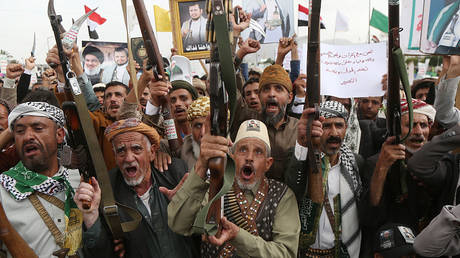
By freezing assets and applying terrorist designations, Washington opens the door for direct military interventions against these networks. Yet, backlash is fierce. In Lima, hundreds of demonstrators flooded the streets upon Rubio's arrival, waving red flags and chanting anti-imperialist slogans. Protesters argue that foreign security pacts infringe on national sovereignty, pushing back against what they view as heavy-handed U.S. interventionism. Meanwhile, the Chinese Embassy issued sharp warnings noting that the Western Hemisphere is "nobody's backyard," highlighting the intense geopolitical tug-of-war playing out behind the scenes.
Sovereignty Versus Strike Power
A central tension of Rubio's tour involved the limits of American intervention. Following months of controversial unilateral U.S. maritime strikes against alleged drug boats in international waters—actions that critics note have resulted in over 200 deaths—Rubio offered a significant policy clarification in Lima. Standing alongside Fujimori, he pledged that the United States will not launch military actions inside partner countries without explicit local approval.
"We're not going to do anything that our partners don't ask us to do," Rubio told reporters.
This concession balances Washington's desire for an ironclad regional security grid with the political sensitivities of Andean leaders who cannot afford to look like junior partners under foreign control. Peru and Colombia want the intelligence and operational muscle to smash cartels, but they need to retain domestic political legitimacy.
Expect rapid tactical shifts in how narcotics interdictions are handled off the Pacific coast. With formal coalitions established and intelligence pipelines accelerated, joint patrols will scale up immediately. Watch for local security forces to spearhead ground raids while U.S. logistical and surveillance assets provide the backbone. The drug trade in South America just entered a volatile new phase.
Marco Rubio Meets Peru President Keiko Fujimori on Final Stop of South America Tour
This video provides an on-the-ground look at Secretary of State Marco Rubio meeting Peru's President Keiko Fujimori in Lima to finalize critical bilateral security and anti-cartel agreements.
http://googleusercontent.com/youtube_content/1