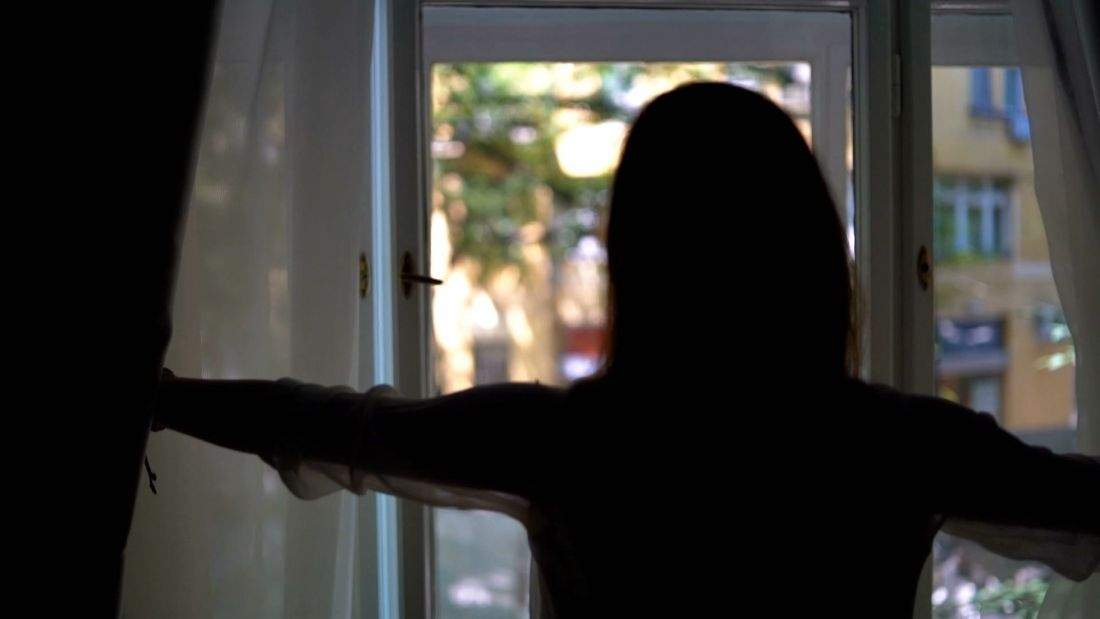
Scrapping the clock switch sounds like a gift until you realize what Manitoba just traded away. You get brighter evenings after work. Great. You also get pitch-black mornings when school buses roll out and alarms go off.
People talk about ending the time change like it's pure upside. It's not. Every time a province or state ditches the twice-a-year shift, someone gets stuck with an awkward compromise, and Manitoba is right in the middle of that trade-off. If you live there, you're staring down dark mornings and lighter evenings in the same breath, wondering whether anyone checked the sun angle before cheering the vote.
Why Manitoba Braces for Dark Mornings When Time Change Ends
Let's get the basic math out of the way first. There are only so many hours of daylight in a prairie winter, and moving the clock doesn't manufacture extra sun.
When Manitoba drops the seasonal clock swap, the province locks into one standard time reference instead of bouncing back and forth. That sounds tidy on paper. No spring-forward grogginess. No fall-back confusion on your microwave. Yet the trade-off hits immediately once autumn turns into winter.
Think about what a dark morning actually looks like in Manitoba. At high northern latitudes, winter sunrises already drag late. Keep the clock set so evening light stretches later, and sunrise gets pushed deeper into the morning commute. Kids wait for rides in the dark. Drivers navigate slush and ice before dawn breaks. Workers walk into offices having seen zero sunlight outside their headlights.
Meanwhile, the flip side shows up at 4:30 or 5:30 p.m. Instead of darkness crashing down while you're still stuck at a desk, there's a sliver of light left for errands, a quick walk, or getting home before full black settles in. For folks who hate walking out of work into pitch blackness, that lighter evening feels huge.
Here's the catch nobody likes admitting out loud. You don't get bright mornings and bright evenings together in December. You pick which side of the day takes the hit.
The Daylight Trade-Off Nobody Explains Clearly
Most coverage of ending the time change treats circadian rhythm like a light switch. Flip it off, problem solved.
Honestly, human biology doesn't care what lawmakers pass. Your internal clock runs on light exposure, especially morning light hitting your eyes shortly after waking. Cortisol rises, melatonin shuts down, and your brain gets the memo that the day has started.
When mornings stay dark, that natural cue disappears. I've watched people assume waking up at the same clock time every day fixes sleep. It doesn't if your biological morning is still sitting in the dark for another hour or two. You end up dragging through mid-morning, reaching for extra coffee, and feeling wired right when you should be winding down.
On the flip side, lighter evenings have their own quirks. Extra evening light can nudge bedtime later, especially for kids whose bodies take cues from bright skies outside. Over weeks, a tiny nightly drift turns into chronic sleep debt.
Research from sleep medicine groups like the American Academy of Sleep Medicine has pointed out for years that permanent standard time aligns better with morning light exposure than permanent daylight saving time. Still, political debates rarely follow sleep science cleanly. Lawmakers hear loudest from people tired of losing an hour in spring or people desperate for after-work sun. Manitoba's shift puts those competing instincts head-to-head.
How Manitoba Compares to Neighbors Playing Clock Musical Chairs
Look across North America and you'll see a patchwork of half-finished experiments. Some jurisdictions passed bills years ago waiting on neighbors to move first. Others stalled out after realizing nobody agreed on which clock to keep.
Manitoba stepping away from the old back-and-forth puts it in the thick of a regional conversation. When neighboring provinces or U.S. states run on different schedules for part of the year, cross-border calls, flights, sports broadcasts, and supply chains all feel the friction. Even within a single province, rural routines and city schedules don't react to dark mornings the same way.
Farmers, shift workers, parents with school-age kids, and retail staff all experience that clock change differently. A 7:00 a.m. start means one thing when the sun is up and something entirely different when streetlights are still glowing.
Real Ways People Adapt to Dark Mornings and Lighter Evenings
Waiting for the sky to cooperate won't help much in January. Once Manitoba locks in darker mornings and lighter evenings, day-to-day habits do the heavy lifting.
Some adjustments sound obvious until you try sticking to them on a Tuesday in February.
Anchor Your Morning Light Even When the Sky Is Black
If the sun isn't helping at 7:00 a.m., artificial light has to pinch-hit. A 10,000-lux light therapy lamp on the kitchen table while you drink coffee isn't magic, yet it gives your brain a strong morning signal. Keep it positioned off to the side rather than staring straight into the bulb, and run it for twenty to thirty minutes right after waking.
Turn on overhead lights right away, too. Walking around a dim house in winter tells your body to stay in night mode.
Protect Your Evening Wind-Down
Lighter evenings tempt you to pack one more task into the end of the day. That's fine occasionally. Every night? Your sleep pays for it.
Dim indoor lamps an hour before bed. Push heavy meals and intense workouts earlier when you can. Even if the sky outside looks softer than you're used to, treat your bedtime routine like the sun went down on schedule.
Watch School and Commute Routines Early
Families feel dark mornings fastest. Reflective gear on backpacks, extra patience at crosswalks, and checking exterior porch lights before kids head out aren't dramatic changes, just practical ones.
Drivers should expect glare on wet roads at dusk and poor visibility before dawn. Give yourself an extra ten minutes when weather turns messy. Rushing in the dark is how minor fender-benders happen.
What Most People Miss About Ending the Time Change
People love a clean villain. For decades, the twice-yearly clock jump was that villain. Every March and November, headlines piled on about groggy commuters, missed appointments, and grumpy kids.
Ditching the switch solves that specific annoyance. You stop losing an hour of sleep in spring. You stop resetting clocks twice a year.
What it doesn't solve is geography. Manitoba sits far enough north that winter days are short no matter what numbers sit on your phone screen. Trading away the clock change simply shifts where the darkness lands. You get lighter evenings to breathe a little after work, and you pay for it with darker mornings when the day starts.
If you're adjusting to the new rhythm, don't judge the change in week one. Give your sleep schedule a few weeks to settle, build real morning light into your routine, and see how your evenings feel once the initial novelty wears off.
Start tonight by setting out what you need for tomorrow morning before you sit down to relax, pick a firm lights-out window, and put a bright lamp where you actually eat breakfast so your mornings don't start in the dark.