Dust gets into everything. It settles in the creases of your knuckles, coats the back of your throat like fine chalk, and bakes into a permanent crust on the windshield of a pickup truck. For years, that dust was the only resident of the place they called Haller Park, though no one called it a park back then. They called it a wound.
To stand on the edge of the Bamburi quarry north of Mombasa in the 1970s was to look into the mouth of a void. Acres of jagged, bleached coral rock glared under an equatorial sun. Nothing lived there. Nothing could. The cement factory had stripped the earth bare, scraping away every vestige of topsoil to feed the hungry kilns, leaving behind a sterile moonscape of gray limestone. Geologists shook their heads. Botanists packed up their clipboards. The land was dead, and the ledger was closed.
Then came René Haller.
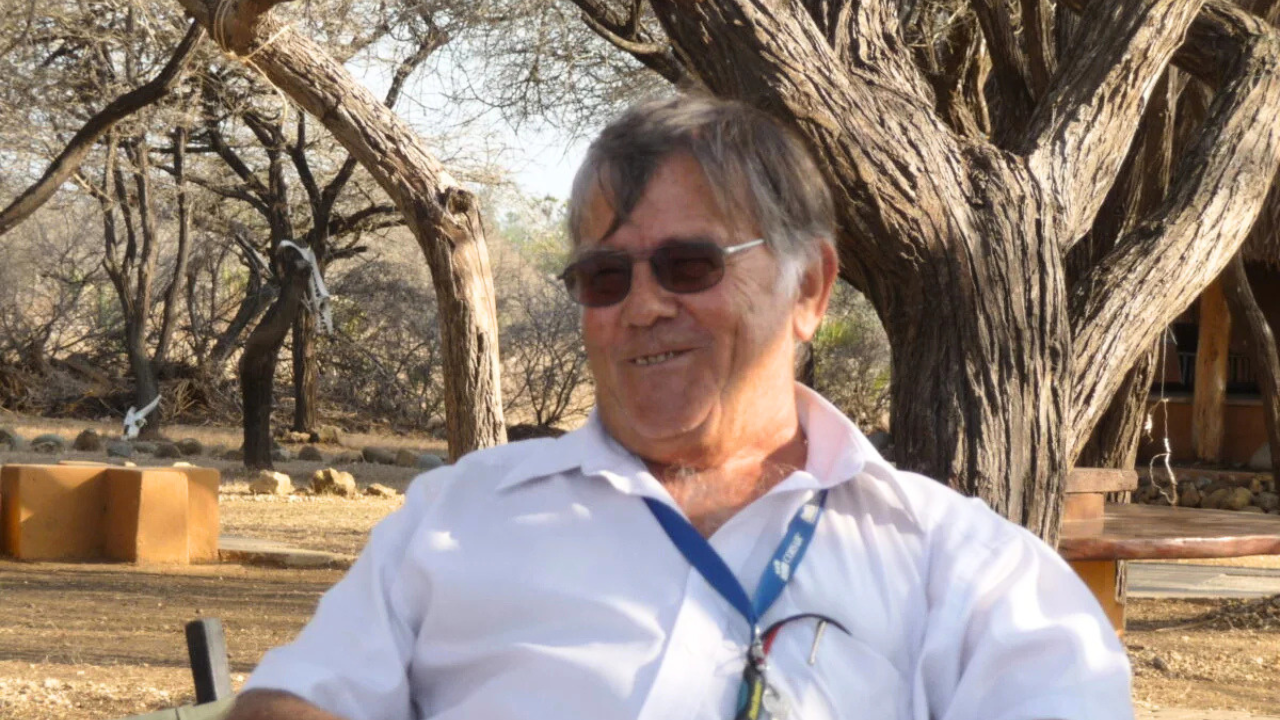
He did not look like a savior. He looked like a man who had spent too many hours under a glaring sun with a notebook that was rapidly running out of blank pages. He was an agronomist, a naturalist with a stubborn streak and an uncomfortable belief that nature was not as fragile as we pretend, nor as unforgiving as we fear. When he looked at that scorched, calcified wasteland, he did not see an impossibility. He saw a beginning.
Silence. That was the first thing you noticed when you walked onto the quarry floor forty years ago. No birds. No rustling leaves. Just the relentless hum of heat radiating off the white stone.
Haller started with a tree. Not because a single Casuarina equisetifolia could magically heal a desert, but because it was tough enough to die trying. These Australian pine trees possessed a stubborn tolerance for saline winds and punishing heat. They dropped needles, creating an acidic mulch that slowly began to dissolve the unyielding coral beneath them. It was a microscopic war waged by a stubborn botanist against a mountain of cement raw material.
Most people give up when the first attempt fails. Haller watched his early saplings wither, adjusted his approach, and planted thousands more. He brought in red-legged millipedes, creatures most people would instinctively crush underfoot. Those millipedes ate the pine needles, digested them, and excreted nutrient-rich earth. Millions of tiny, crawling engineers doing the heavy lifting while humanity watched from the sidelines, waiting for the inevitable failure.
Gradually, the gray gave way to green. The green drew insects. The insects drew birds.
It is easy to look at a thriving ecosystem today and imagine it was always there, waiting to be uncovered. That is the great lie we tell ourselves about nature. We think of wilderness as a backdrop, a permanent fixture of the planet that humans either preserve or destroy. We forget that wilderness is an act of will. It is a verb.
By the 1980s, the quarry had transformed from a jagged graveyard into a dense coastal forest. But Haller was not finished. He understood that a forest without its architects is just a museum of trees. He needed animals.
Enter a hippopotamus named Mzee.
If you mention Haller Park to anyone who grew up in Kenya, their eyes light up at the mention of that name, though usually in connection with the famous orphaned giant tortoise Owen decades later. But long before viral internet fame, Mzee was simply a refugee of circumstance, an abandoned hippo calf dropped into a strange sanctuary managed by a man who treated every displaced creature as a personal responsibility.
Haller’s philosophy was simple, terrifyingly so: let nature remember how to balance itself.
He introduced giant Aldabra tortoises, vervet monkeys, elands, and oryx. He dug ponds where tilapia and water lilies established a quiet, pulsing rhythm. Where there was once only the deafening silence of crushed stone, there arose the high-pitched click of cicadas, the booming calls of weaver birds, and the heavy, rhythmic thud of hooves on damp earth.
We live in an era obsessed with scale. We want trillion-dollar interventions, massive carbon-capture machines, and global policy summits that produce glossy brochures and very little shade. We look at climate collapse and habitat loss like deer caught in the headlights of a freight train, paralyzed by the sheer magnitude of our own mess.
Haller’s work offers a different kind of math. One man. One shovel. Decades of unglamorous, sweaty, mosquito-bitten persistence.
Consider the alternative we chose for most of the twentieth century. We carved up the earth, extracted what we needed, erected chain-link fences around the damage, and walked away, slapping warning labels on the perimeter. We treated nature as a fragile museum piece to be kept behind glass. Haller treated it like a patient on an operating table, messy, unpredictable, and entirely dependent on steady, patient hands.
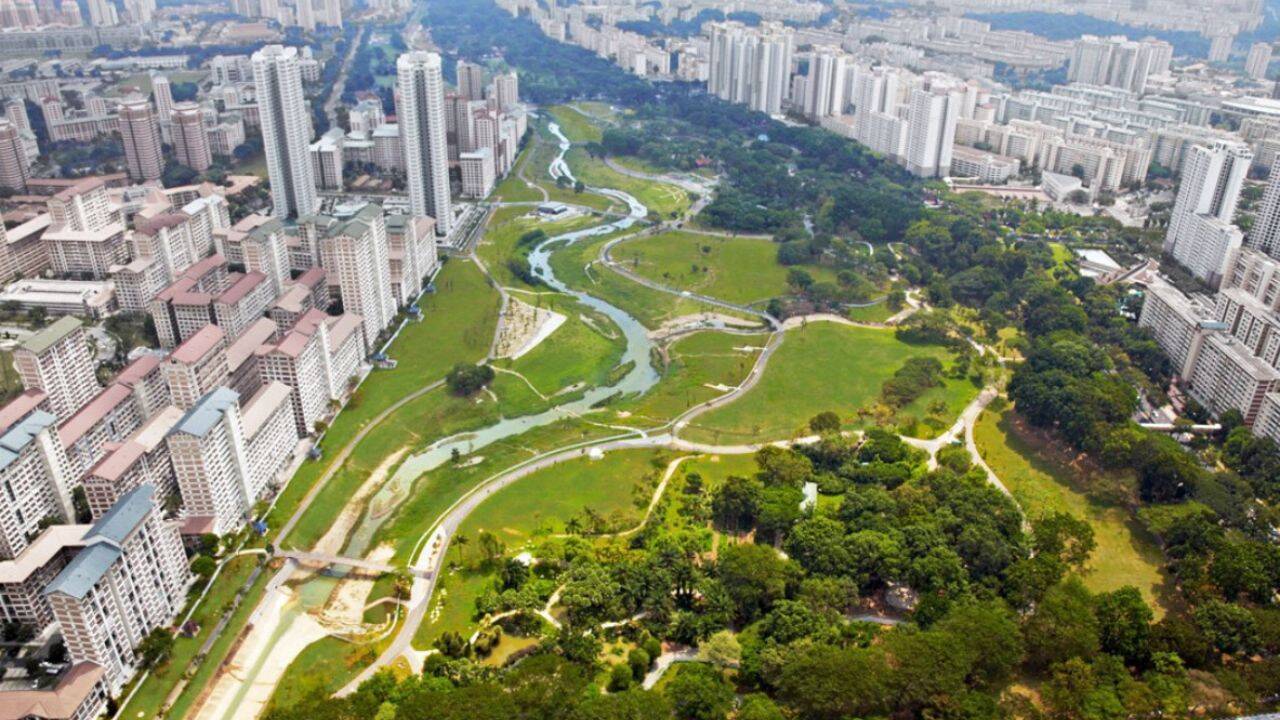
Walk through the shaded trails of the sanctuary today, and the air is twenty degrees cooler than the highway just beyond the gates. The canopy overhead filters the brutal coastal sun into shifting pools of gold and emerald. Colobus monkeys launch themselves effortlessly through the branches, their white tails streaming behind them like brushstrokes.
Visitors pay their admission fees, buy ice cream for their children, and marvel at the leopards and giraffes roaming through what was once an industrial wasteland. They take selfies against the backdrop of towering trees. Very few of them pause to look down at the dark, rich soil beneath their sneakers—soil that was literally manufactured by millipedes and fallen pine needles over the span of a human lifetime.
We are terrible at understanding deep time. We want our revolutions delivered in twenty-four-month venture capital cycles. We want a smartphone app that plants a forest overnight. When reality refuses to cooperate, we throw our hands up and declare the damage irreversible.
The limestone quarry stands as a permanent, living rebuke to that cynicism.
The story of how a barren Kenyan quarry became a thriving wildlife sanctuary is not really a story about trees, or hippos, or clever agronomy. It is a story about stubbornness in the face of absolute proof that you are wasting your time. It is about the radical proposition that destruction is not the final chapter unless we put down the pen and walk away.
The sun dips low over the Indian Ocean now, casting long, bruised shadows across the Kenyan coast. Deep within the forest canopy, a bushbaby lets out a sudden, piercing cry, slicing through the gathering dusk. Down on the forest floor, millions of unseen organisms continue their silent, relentless work of turning stone into life.