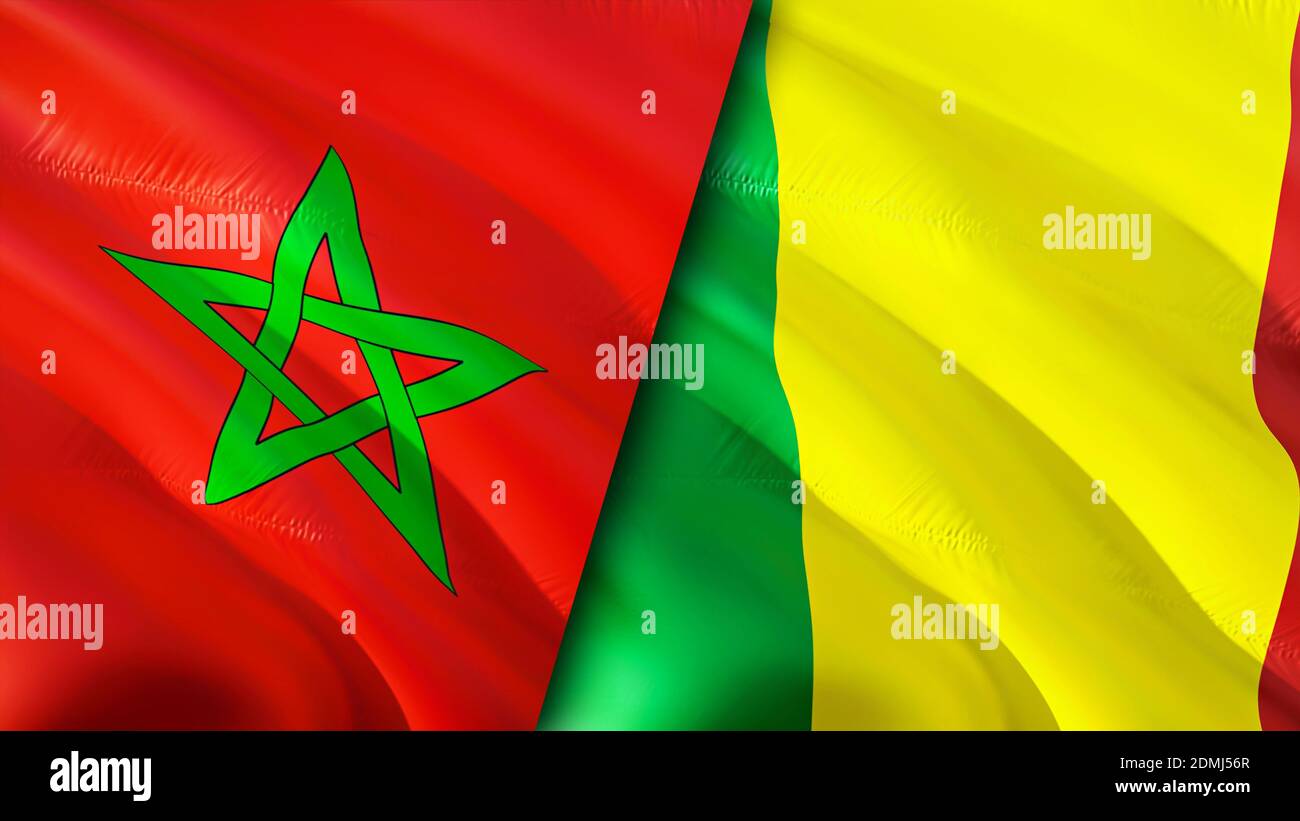
The map of Northwest Africa is being redrawn by hand in real-time. Mali has officially thrown its diplomatic weight behind Morocco’s autonomy plan for Western Sahara, a move that fundamentally alters the balance of power in a region already scorched by instability. This is not just another routine communiqué from a foreign ministry. It is a calculated realignment. By backing Rabat's proposal to grant Western Sahara internal self-rule under Moroccan sovereignty, Bamako is signaling a definitive break from decades of Algerian influence and an embrace of a new, transactional security architecture.
For years, Mali maintained a delicate, often strained neutrality on the Western Sahara issue. That era is over. The decision, confirmed by Mali’s Foreign Minister Abdoulaye Diop, aligns the landlocked nation with a growing international consensus that includes the United States, Spain, and several Arab states. But while Washington or Madrid might see this through the lens of long-term regional stability, Mali’s military leadership sees it as a lifeline.
The Death of the Old Guard
To understand why Mali made this jump, you have to look at the wreckage of the Algiers Accord. For nearly a decade, Algeria acted as the primary mediator between the Malian state and northern rebel groups. That relationship has disintegrated. Bamako now views Algiers with deep suspicion, accusing its neighbor of harboring terrorists and meddling in internal affairs.
By endorsing Morocco’s claim over Western Sahara, Mali is punching back. Algeria considers the Sahrawi people’s right to self-determination—and their representative body, the Polisario Front—a matter of national principle. Mali knows this. Supporting the Moroccan autonomy plan is a direct diplomatic strike against Algerian regional hegemony. It is the geopolitical equivalent of burning a bridge to build a fortress.
The Moroccan Atlantic Initiative
Morocco is playing a long game that has little to do with traditional aid and everything to do with infrastructure. King Mohammed VI has proposed the "Atlantic Initiative," a project designed to give landlocked Sahelian states like Mali, Niger, and Burkina Faso access to the Atlantic Ocean.
Currently, Mali is choked by its geography. It relies on ports in countries like Senegal or Ivory Coast, with whom relations have been icy due to various coups and sanctions. Morocco is offering a different path. By integrating Mali into its port infrastructure in Dakhla—located in the very territory under dispute—Morocco creates a mutual dependency. If Mali wants the road to the sea, it must recognize who owns the road.
This is a masterclass in soft power backed by hard concrete. Rabat isn't just asking for diplomatic support; it is buying it with the promise of trade routes that could bypass the volatile Mediterranean and the restrictive borders of West African neighbors.
Security Without the West
The departure of French forces and the UN’s MINUSMA mission left a massive vacuum in Mali. While Russian Wagner Group mercenaries (now rebranded as Africa Corps) have stepped in to provide kinetic military support, they do not provide diplomatic legitimacy or long-term economic frameworks. Morocco fills that gap.
Rabat offers a brand of "South-South" cooperation that appeals to the military juntas in the Sahel. It doesn't lecture on human rights or democratic transitions. Instead, it focuses on intelligence sharing, counter-terrorism training, and religious diplomacy. Morocco’s training of Malian imams to promote a "moderate" form of Islam is a subtle but potent tool against the radicalization bleeding across the border.
The Risks of Radical Realignment
This shift is not without its dangers. By siding so decisively with Morocco, Mali is effectively ending any hope of Algerian cooperation in its northern territories. The border between Mali and Algeria is vast and porous. Without Algiers' cooperation, managing the Tuareg insurgencies and jihadist groups becomes significantly harder.
Furthermore, the Polisario Front has warned that such diplomatic maneuvers will only prolong the conflict. If the Sahel becomes a proxy battleground for the Morocco-Algeria rivalry, the existing humanitarian crisis will only deepen. We are seeing the "Sahelization" of the Western Sahara conflict, where local grievances are tethered to a much larger, much older territorial dispute.
Economic Necessity vs Sovereignty
Mali’s economy is in a tailspin. Sanctions and the withdrawal of Western development funds have left the central government desperate for partners who can provide immediate logistics. Morocco’s OCP Group, a global leader in phosphates and fertilizers, already has a massive footprint in Africa. For a country like Mali, where agriculture is the backbone of the economy, a partnership with a global fertilizer giant is a matter of national survival.
The autonomy plan is the entry fee for this partnership. The Moroccan proposal, first tabled in 2007, suggests that the Western Sahara should have its own legislative, executive, and judicial bodies, but remain under the Moroccan flag for matters of defense and foreign policy. For Mali, agreeing to this is a small price to pay for the prospect of a permanent trade corridor to the Atlantic.
The Continental Ripple Effect
Mali is not an island. Its decision is likely to influence its partners in the Alliance of Sahel States (AES)—Niger and Burkina Faso. If these three nations move in unison toward Rabat, it creates a solid pro-Morocco bloc in the heart of West Africa. This would leave Algeria increasingly isolated on the African stage, despite its vast gas wealth.
This is a pivot away from the post-colonial influence of France and the traditional mediation of the African Union. It represents a new era of "realpolitik" where African nations choose partners based on immediate security needs and infrastructure promises rather than shared history or ideological alignment.
The move by Bamako is a high-stakes gamble. It bets that the future of the region is Atlantic, not Mediterranean, and that the path to stability runs through Rabat rather than Algiers or Paris. Whether the infrastructure can be built fast enough to outpace the spreading insurgency in the north remains the critical, unanswered question.
History shows that in the Sahel, alliances are as fluid as the dunes. But for now, the alliance between the crescent and the star has never been more vital to the survival of the Malian state. It is a cold, hard calculation based on the reality that in today's geopolitical climate, a port in the hand is worth more than a thousand diplomatic nuances.