The United Kingdom has entered a period of heightened security anxiety. Following a quiet but firm recalibration of domestic threat assessments, the United States Embassy in London recently issued a security alert to its citizens, urging increased caution in public spaces. This isn’t just bureaucratic noise or a routine reminder to watch your pockets. It is a calculated response to a "severe" threat level—a designation that means an attack is not just a possibility, but highly likely.
For the millions of Americans living in or visiting the UK, the shift feels sudden. However, for those monitoring the geopolitical fault lines beneath the surface of the British Isles, the tremors have been building for months. The escalation reflects a volatile cocktail of domestic radicalization, organized crime spillover, and the long shadows cast by conflicts in the Middle East and Eastern Europe.
While the "severe" rating primarily targets internal security concerns, the public-facing warning from the U.S. State Department highlights a widening gap between official British "calm" and the raw data handled by intelligence agencies. This is the reality of modern urban security in a global hub. It is messy, unpredictable, and increasingly difficult to contain within the traditional cordons of police work.
The Mechanics of a Severe Rating
The UK’s threat level is determined by the Joint Terrorism Analysis Centre (JTAC). This body operates independently of government ministers, drawing on raw intelligence from MI5, the police, and international partners like the CIA. Moving to "severe" is a heavy decision. It places immense pressure on the Metropolitan Police and regional counter-terrorism units, forcing a reallocation of budgets and man-hours away from everyday crime and toward surveillance and proactive intervention.
Understanding what "severe" actually entails requires looking past the word itself. In the UK’s five-tier system, "severe" sits just one step below "critical," which is reserved for when an attack is expected imminently. By holding at "severe," authorities are signaling that the intelligence suggests active plots are in motion, even if the specific time, place, or method remains shrouded in the fog of clandestine communication.
The U.S. Embassy’s decision to broadcast this to its citizens serves a dual purpose. First, it fulfills the "no double standard" policy, which mandates that if the government shares threat information with the official community, it must also share it with the public. Second, it acts as a diplomatic nudge. By making the alert public, Washington is acknowledging the gravity of the British assessment while subtly pressuring local authorities to maintain high visibility in tourist-heavy corridors like the West End, South Bank, and major transport hubs.
The New Face of the Threat
The profile of the potential attacker has shifted. Ten years ago, the primary concern was organized cells with direct links to foreign command structures—groups capable of executing complex, multi-point strikes. Today, the landscape is dominated by the "lone actor." These are individuals who may have no formal ties to a terrorist organization but are radicalized through digital echo chambers.
They are harder to track. They don't need a supply chain of explosives when they can use a rental car or a kitchen knife. This "low-sophistication, high-impact" model is the nightmare scenario for security services because the lead time between an individual deciding to act and the act itself can be minutes rather than months.
Radicalization and Social Fragmentation
British society is currently grappling with intense internal pressures. Economic stagnation and social friction have created fertile ground for various forms of extremism. While Islamist radicalization remains a primary focus for MI5, there has been a documented rise in extreme right-wing terrorism (ERWT). The "severe" rating encompasses both, recognizing that a flashpoint in one community can often trigger a violent reaction in another.
The threat isn't just about ideologies, though. It is about the availability of information. The dark web and encrypted messaging apps have made it possible for a teenager in a bedroom in Birmingham or Leeds to access manuals on weaponization that were once the sole province of military specialists.
The Logistics of Urban Surveillance
Walking through London, the sheer number of CCTV cameras suggests a city under total observation. This is an illusion. While the UK has one of the highest densities of surveillance cameras in the world, the vast majority are privately owned and not monitored in real-time by the police.
The real work happens in the data. Intelligence agencies are currently leaning heavily on Signal Intelligence (SIGINT) to find patterns in the noise. When the threat level rises to "severe," the legal threshold for certain types of intrusive surveillance often becomes easier to meet in the eyes of oversight bodies.
The Ring of Steel and Beyond
The City of London—the financial heart of the capital—is protected by a "Ring of Steel," a sophisticated network of barriers, bollards, and specialized tracking cameras. But the threat isn't confined to the skyscrapers of the banking district. The U.S. Embassy warning specifically mentions locations frequented by Westerners: shopping centers, places of worship, and transportation hubs.
The vulnerability of the London Underground remains a persistent headache. With millions of passengers moving through a subterranean labyrinth every day, total security is a physical impossibility. The strategy here isn't to stop every person for a bag check; it’s to use behavioral detection officers—undercover police trained to spot the physical tics and anomalies of someone under extreme stress or conducting reconnaissance.
Geopolitical Catalysts
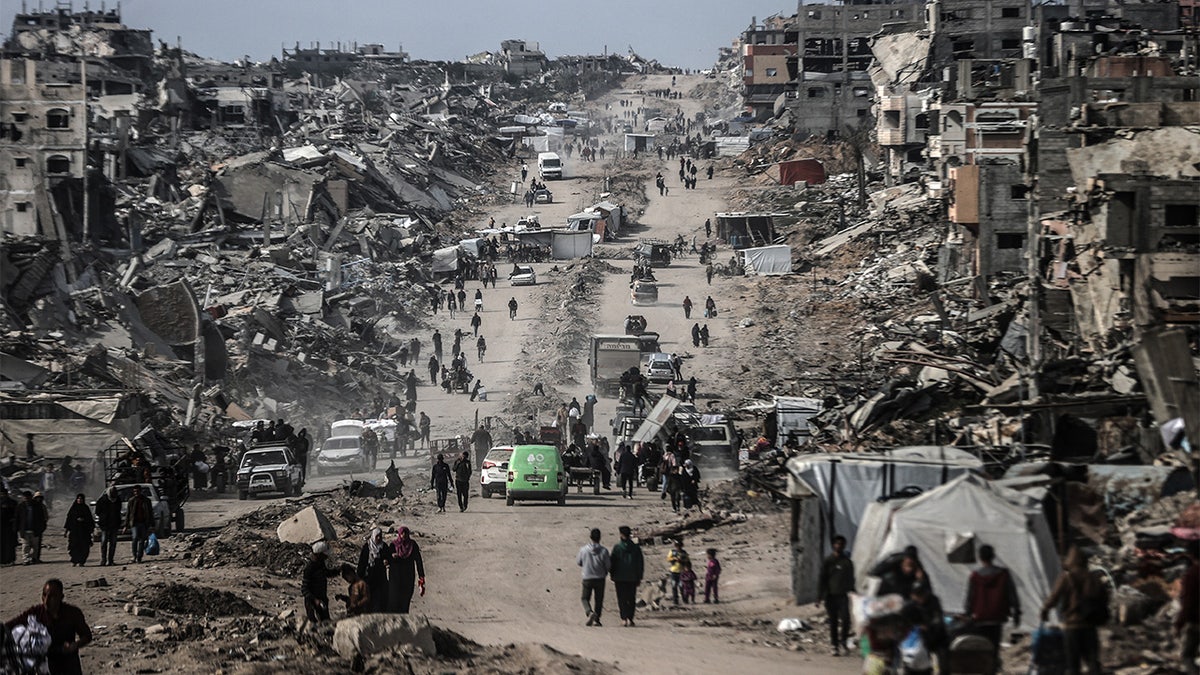
The timing of this alert cannot be separated from the global context. The ongoing conflict in Gaza has served as a massive recruitment and radicalization tool across the political spectrum. It has increased the temperature of public demonstrations in London, which regularly draw hundreds of thousands of people. While these protests are largely peaceful, they provide cover for agitators and stretch police resources to their breaking point.
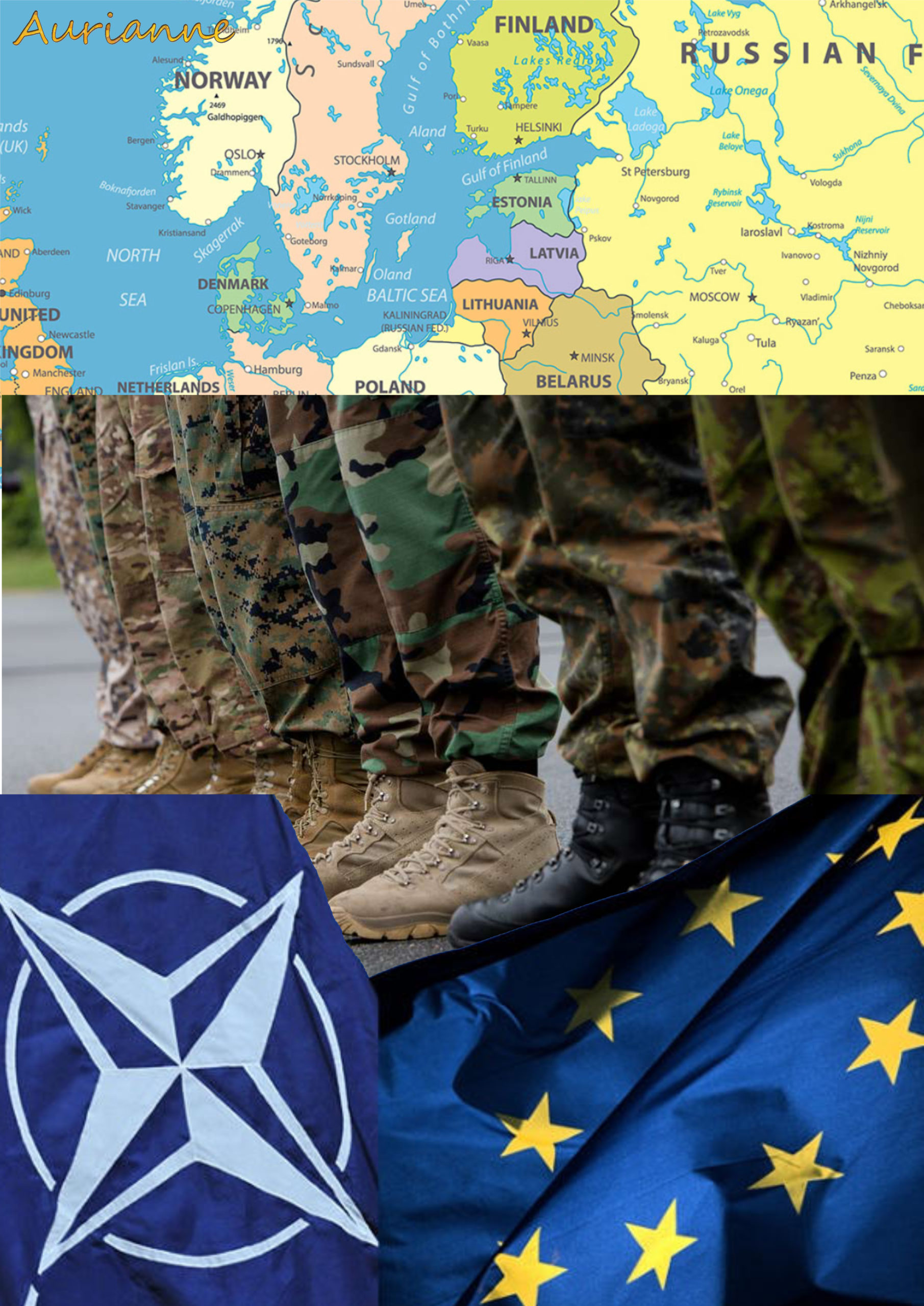
Furthermore, the UK's aggressive stance in supporting Ukraine has made it a target for "gray zone" tactics from state actors. While a state-sponsored bombing is unlikely, the use of proxies or the encouragement of civil unrest is a very real component of the current security calculus. When the U.S. warns of a "severe" threat, they are accounting for this messy overlap between traditional terrorism and foreign interference.
The Economic Shadow
Security alerts carry a hidden cost. For the UK, a country whose economy is heavily reliant on tourism and international investment, the "severe" label is a brand-damaging necessity.
- Tourism Impact: American tourists are the highest-spending demographic in the UK. Even a slight dip in their confidence can lead to millions in lost revenue for hotels, theaters, and luxury retail.
- Insurance Premiums: For businesses in central London, a raised threat level often triggers clauses in insurance contracts, increasing the cost of doing business in "high-risk" zones.
- Public Morale: Constant vigilance breeds a specific kind of urban fatigue. It changes how people interact with their city, leading to a "hunker down" mentality that stifles the vibrant street life London is known for.
Why the Embassy Acted Now
The U.S. Embassy doesn't issue these alerts every time MI5 updates a spreadsheet. The decision to go public suggests that there is specific, albeit perhaps non-specific, intelligence that suggests a window of vulnerability. This might be linked to upcoming public holidays, major sporting events, or anniversaries of previous attacks.
There is also the matter of the "Special Relationship." The intelligence sharing between the UK and the U.S. is the most intimate in the world. If the U.S. is telling its citizens to be careful, it is because they have seen the same raw data the British have—and they have judged the risk to be tangible enough that silence would be a liability.
Navigating a High-Threat Environment
For those on the ground, the advice is often frustratingly vague: "be aware of your surroundings." In practice, this means more than just looking up from your phone. It means identifying "hard" and "soft" targets.
A hard target is somewhere with visible security, controlled entry, and physical barriers. A soft target is a crowded street, an open park, or a busy pub. The current threat environment favors attacks on soft targets because they require less planning and offer a higher probability of success for an unsophisticated actor.
The reality of living in a "severe" threat environment is that the "normal" has shifted. Large-scale police presence at train stations and random bag searches at museums are no longer outliers; they are the baseline.
The Limits of Intervention
We must acknowledge that no security apparatus is perfect. The shift to "severe" is an admission that the state cannot guarantee safety, only manage risk. The "lone wolf" problem remains the most significant crack in the armor. If an individual with no prior record and no digital footprint decides to act tomorrow, there is very little a surveillance state can do to stop the first strike.
The goal of the current security posture is to disrupt the networks that enable these individuals and to harden the city enough that a potential attacker chooses a less impactful path or hesitates long enough to be spotted.
The Intelligence Paradox
The more successful security services are, the more the public questions the necessity of the high threat level. When no attacks happen, the "severe" warning looks like alarmism. This is the paradox of prevention. The absence of an explosion is not proof that the threat was non-existent; it is often proof that the surveillance and disruption worked.
As the summer progresses, the heavy presence of the Metropolitan Police's Specialist Firearms Command (MO19) will be a common sight. These are the officers carrying Carbines and wearing tactical gear, stationed at key landmarks. Their presence is as much about psychology as it is about firepower—a visible deterrent designed to reassure the public and unnerve the scout.
The situation remains fluid. Intelligence is a living thing, changing with every intercepted message and every border crossing. For now, the "severe" rating stays, and the U.S. Embassy's warning remains active. The city continues to breathe, but its pulse is undeniably faster.
Keep your eyes open, not out of fear, but out of a necessary, modern pragmatism. The threat is real, the state is on high alert, and the margin for error has never been thinner.