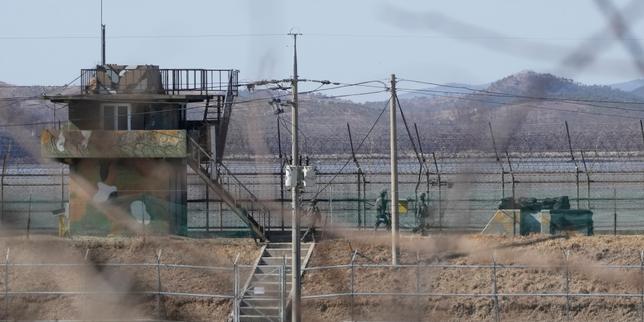
Silence has a weight here. It presses against the eardrums, heavy with the ghosts of a war that never officially ended.
To the untrained eye, the Demilitarized Zone looks like an accidental sanctuary. Nature has reclaimed the scarred earth. Tall grasses wave in the wind. Rare birds nest within the rusted tangles of barbed wire. It is green. It is quiet. It is breathtakingly deceptive. Beneath that tranquil surface lies a legacy of steel and malice, buried just inches deep, waiting for a misplaced foot.
August. The air is thick, stifling, heavy with the humidity of the Korean peninsula.
Imagine a patrol moving through the brush. Boots crunching softly on gravel. The rhythmic hum of distant cicadas. The men are talking in hushed tones, trading mundane complaints about the heat, the weight of their gear, the humidity clinging to their skin. They are young. They have families waiting in Seoul, mothers who pack too much food, friends who talk about weekend plans.
Then.
A sound that tears the morning apart.
It is not a grand cinematic explosion. It is sharp, violent, and absolute. Dust and shrapnel erupt into the sky. In a fraction of a second, the mundane reality of routine patrol vanishes, replaced by smoke, ringing ears, and the terrifying realization that the earth itself has turned against them. Two soldiers fall. Their legs are shattered by an invisible enemy planted quietly in the dark of night.
When the smoke clears, the silence rushes back, heavier now, soaked in blood.
Seoul reacted swiftly. The accusations did not take days to form; they erupted from the highest offices of government almost as fast as the shockwaves traveled. South Korea pointed north across the Military Demarcation Line. The evidence, officials argued, was unmistakable. Wooden-box landmines, freshly laid, bearing the undeniable craftsmanship of a regime obsessed with asymmetric warfare. North Korea denied everything, dismissing the incident as fabrication, a clumsy theatrical stunt staged by the South to justify aggression.
Yet the border does not lie. The metal fragments do not care about propaganda.
This is the grim reality of life along the 38th parallel. It is a razor-thin strip of land where peace is nothing more than a fragile ceasefire held together by mutual exhaustion and hair-trigger vigilance. Every tree, every patch of tall grass, every meter of dirt carries a history of hostility.
Consider what happens next in a crisis like this.
Diplomacy stalls. Megaphones roar back to life across the border, blasting propaganda and K-pop anthems into the wind, a surreal psychological warfare echoing across empty fields. Artillery batteries shift in underground bunkers. Soldiers tighten their grip on their rifles, sleeping with one eye open. The tension spirals upward, fueled by grief, anger, and the terrifying momentum of escalation.
For the families of the injured men, the politics matter very little. Geopolitics cannot stitch bone back together. Accusations cannot restore a lost limb. For them, the war is not an abstract news headline broadcasted on evening television; it is a permanent scar, a sudden and brutal fracture in an ordinary Tuesday.
The DMZ stands as a monument to human division. It is a scar that refuses to heal, stitched together with millions of unexploded devices and guarded by men who hope every single day that they will not be the next step on the path.
The wind blows through the valley, rustling the tall grass where the mines still sleep. The border remains. The silence remains. And somewhere in the dark, the line waits.



