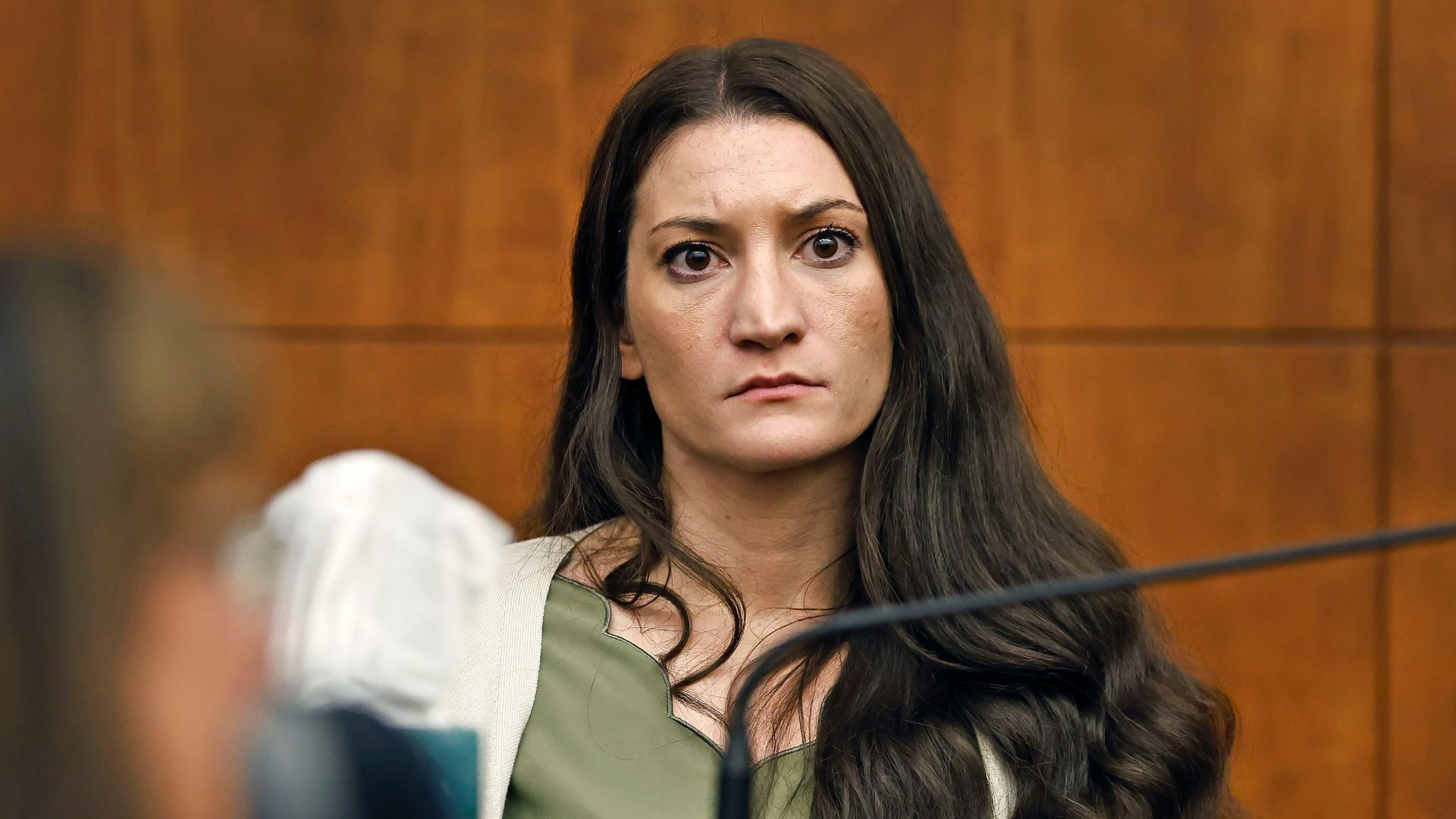
The legal battle surrounding Lindsay Clancy isn't over yet. A Massachusetts judge recently shut down a defense bid to throw out murder charges, clearing the path for an upcoming retrial. If you've been following the headlines, you know this case has divided public opinion ever since the tragic January 2023 deaths of Clancy's three young children in Duxbury.
Her initial trial ended in a dramatic mistrial when jurors couldn't reach a unanimous decision after weeks of grueling testimony. Eleven jurors leaned toward acquittal by reason of insanity, while a single holdout dug in. Now, the legal machinery is gearing up all over again.
What Led to the Mistrial
To understand why we're looking at a second trial, you have to look at what happened behind closed doors during the first round. Clancy has never denied that she killed her children—Cora, Dawson, and Callan. Instead, her defense team rested entirely on a severe mental health argument. They maintained she was suffering from debilitating postpartum psychosis, a rare condition that can completely disconnect a mother from reality.
Her lawyers argued she lacked criminal responsibility under Massachusetts law. Prosecutors countered with a very different narrative. They pointed to evidence of planning, arguing she understood her actions when she sent her husband out of the house before the killings took place.
After nearly 38 hours of deliberation, the jury hit a brick wall. Judge William Sullivan declared a mistrial, leaving both sides empty-handed and thrusting the case into legal limbo.
The Rejected Bid for an Acquittal
Following the mistrial, the defense tried a high-stakes maneuver. They pushed for a judgment of acquittal, arguing the state failed to prove its case or that the charges should be tossed out entirely.
Judge Sullivan said no. He rejected the motion to dismiss and ruled that moving forward with a second trial doesn't violate constitutional protections against double jeopardy. In plain English, the state gets another shot to prosecute her on first-degree murder charges.
The defense also raised red flags about the lone holdout juror, questioning whether outside influences or religious beliefs improperly derailed the first verdict. Those motions didn't stop the train from moving forward, though.
What to Expect Next
The court has officially locked in March 29 for the start of the retrial in Plymouth Superior Court. Both legal teams are facing months of preparation, and jury selection is expected to take a massive amount of time given the intense global attention the case has received.
Public response remains deeply polarized. One side views Clancy as a victim of a medical system that failed to treat her severe postpartum psychosis. The other side sees a calculated crime that demands accountability regardless of mental state.
When March rolls around, prosecutors and defense attorneys will make their arguments to a brand-new panel. The core question remains identical to the first time around: can the state prove criminal responsibility beyond a reasonable doubt when severe mental illness enters the courtroom?
The legal system is about to find out.