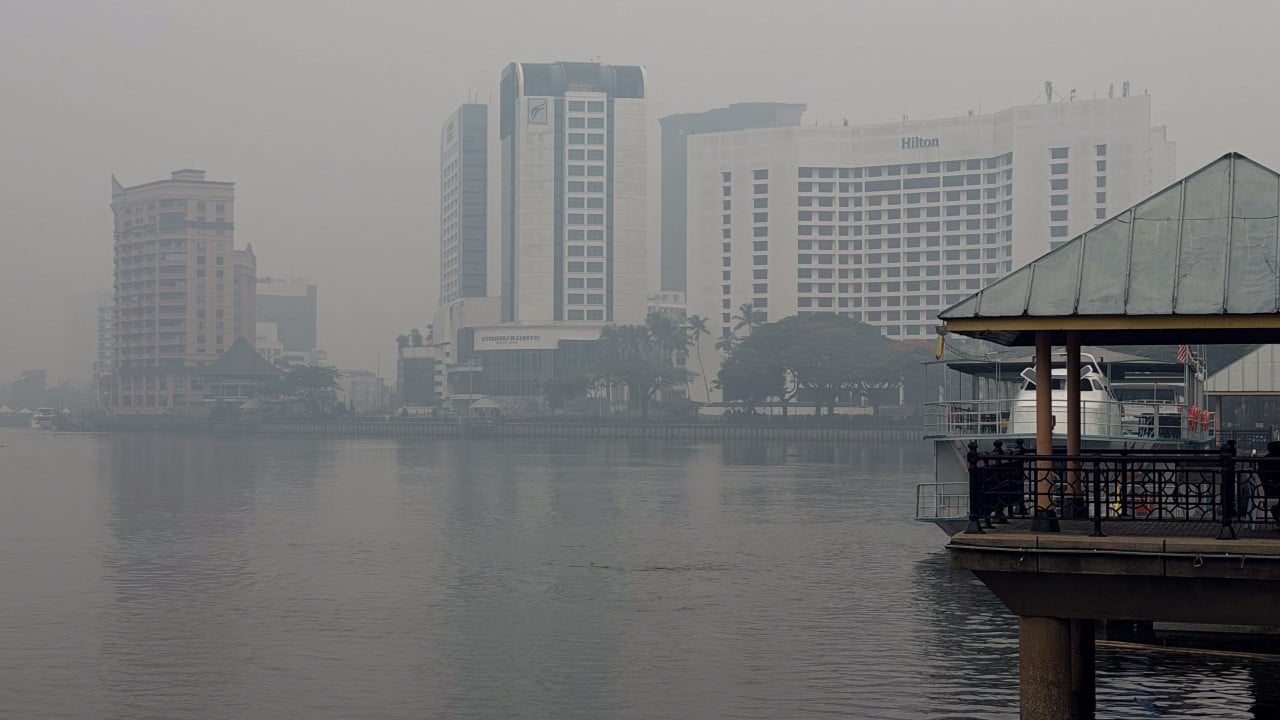
The emergency status in Serian is officially over, but the air outside still tastes like a campfire. If you live in Sarawak, you know the recent lifting of the state emergency is more of a bureaucratic sigh of relief than an actual environmental fix.
When the Air Pollutant Index (API) in Serian smashed past the 500 mark to hit 519 last Friday, the government had no choice. Crossing 500 triggers an automatic local emergency under the National Haze Action Plan, shutting down non-essential sectors and forcing panicked residents indoors. By Monday, rainfall brought relief and dropped the API reading down to 222. King Sultan Ibrahim, acting on advice from Prime Minister Anwar Ibrahim and Sarawak Premier Abang Johari Openg, consented to lift the emergency decree.
End of story? Not even close.
The Reality Behind the Numbers
An API reading of 222 is classified as very unhealthy, not safe. Dropping below the catastrophic 300 hazardous threshold means the emergency powers lapse, but the microscopic soot hanging heavy over Borneo hasn't vanished. Samarahan and surrounding districts are still choking on thick air.
Cross-border smoke from raging forest fires in Indonesia's Kalimantan region keeps blowing across the sea. Jakarta struggles to contain the blazes scorching vast acreage on Borneo and Sumatra, leaving neighboring countries like Malaysia, Singapore, and Brunei to deal with the atmospheric fallout.
Why Regional Cooperation Keeps Failing
Every few years, the same script plays out. Transboundary haze plagues Southeast Asia. Finger-pointing starts between capitals. Agreements get signed, and then the dry season rolls around, the fires reignite, and millions of citizens reach for cheap surgical masks that do almost nothing against fine particulate matter.
Malaysia wants tougher legal frameworks and stricter regional penalties within ASEAN to hold errant plantation companies accountable for slash-and-burn clearing. Yet, sovereignty rules and economic friction block real enforcement. Indonesian authorities battle massive terrain challenges, but weak local monitoring allows illegal burning to persist unchecked until dry winds push the resulting smog across international borders.
Protecting Yourself When the Air is Still Toxic
Official decrees change faster than wind patterns. Just because an emergency order gets lifted doesn't mean your lungs can handle a morning jog.
You need to take practical steps to minimize exposure while the pollution lingers:
- Check real-time API numbers through official environment department apps before stepping outside, rather than relying on how the sky looks.
- Ditch standard cloth masks and upgrade to certified N95 or KN95 respirators if you must commute through heavy haze. Regular masks let fine particles straight through.
- Seal your indoor spaces tightly. Run air purifiers equipped with true HEPA filters on high settings in your bedrooms and workspaces.
- Limit strenuous outdoor exercise entirely. Pumping high volumes of polluted air deep into your respiratory tract during a heavy haze episode invites immediate asthma flare-ups and long-term lung damage.
Rainfall helped clear the worst of the toxic blanket via localized cloud-seeding efforts, but until regional land-clearing practices change fundamentally, you should keep your N95 masks handy. The skies over Sarawak might clear today, but the next wind shift could bring the smoke right back. Stay updated with local advisories and prioritize your health over shifting administrative thresholds.