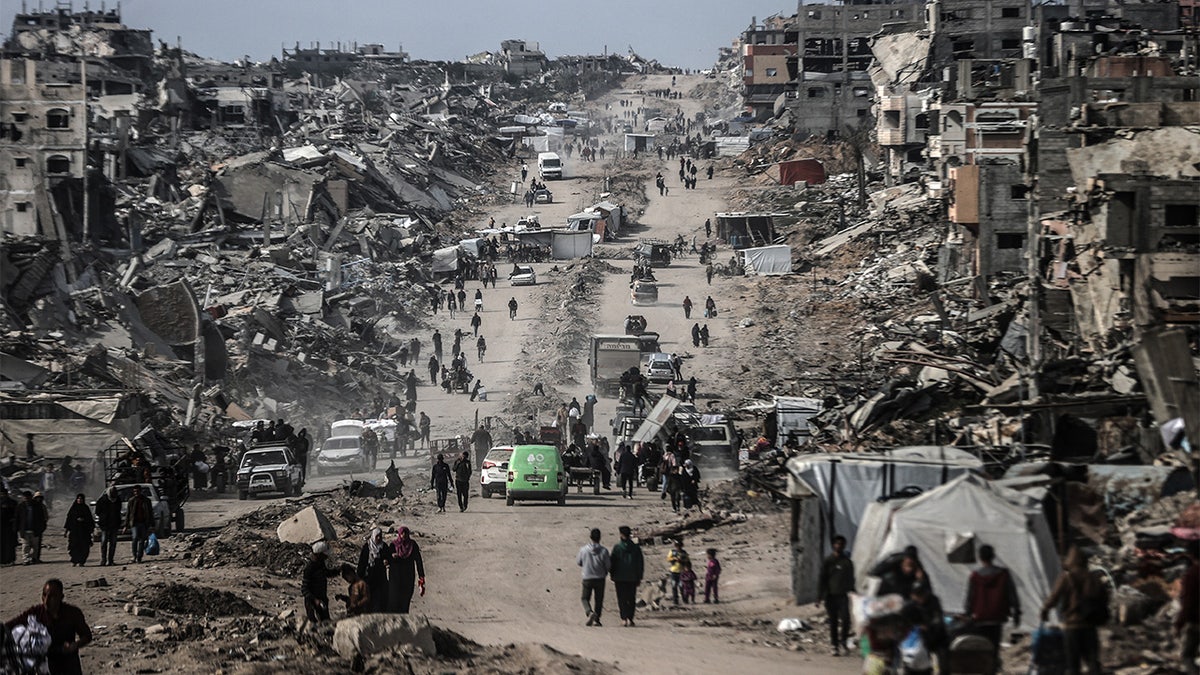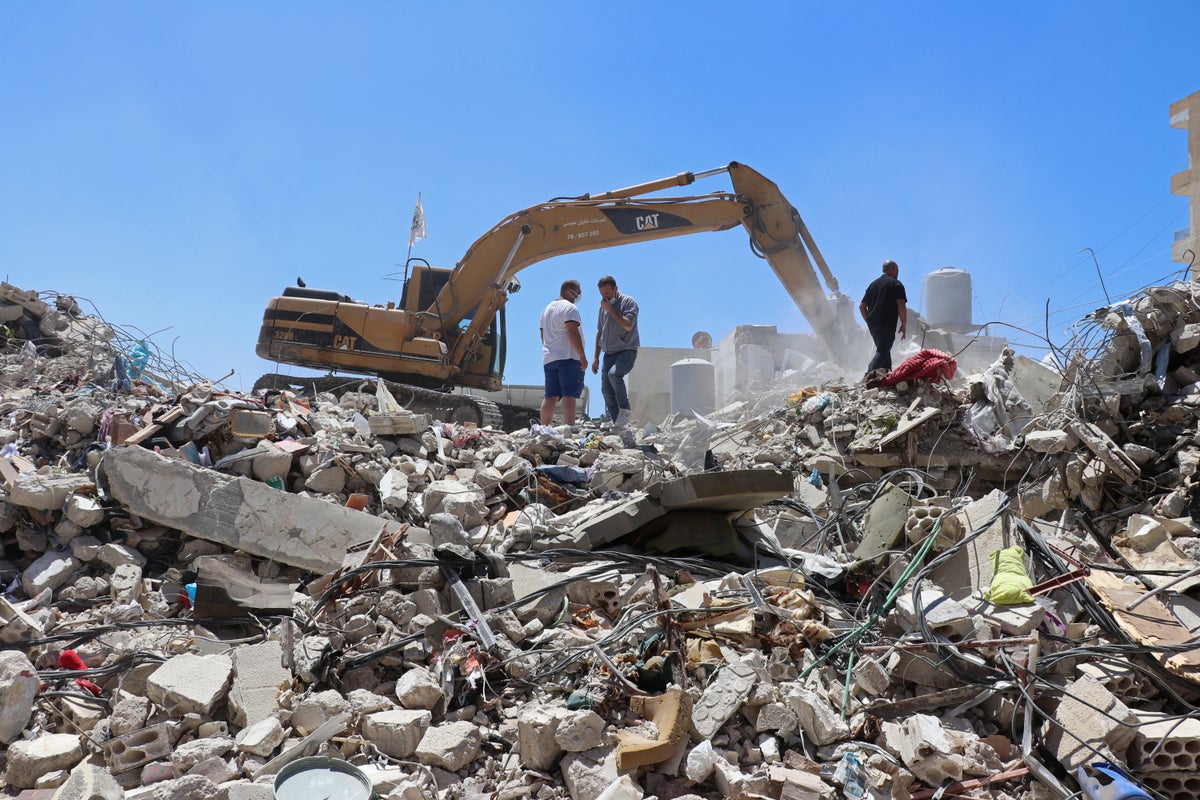
Stop looking at the humanitarian crisis in Lebanon through the lens of a natural disaster. It isn’t one. When the media screams about a "humanitarian catastrophe" after months of conflict, they are peddling a lazy narrative that ignores the mechanics of how power actually functions in the Levant. They want you to believe that more blankets, more flour, and more emergency medical kits will "save" Lebanon.
They won't. In fact, the surge of international aid is currently the only thing keeping a corrupt, sclerotic political class from facing the consequences of their own incompetence. We are witnessing the ultimate moral hazard. By flooding the zone with short-term relief, the international community is inadvertently subsidizing the very instability it claims to want to end.
The Myth of the "Sudden" Collapse
The headlines suggest this crisis started sixty days ago. That is a lie of omission. Lebanon’s economy didn't fall; it was pushed. Long before the first missile crossed the border in this recent escalation, the Lebanese Lira had already lost 98% of its value. The World Bank called it one of the top three worst economic collapses globally since the mid-nineteenth century.
The conflict didn't create the "catastrophe." It merely exposed the fact that the state had already ceased to exist as a functional provider of services. When aid agencies warn that the healthcare system is on the brink, they fail to mention that the healthcare system has been a hollowed-out shell for years, surviving on the fumes of NGO grants and diaspora remittances.
If you treat a structural cancer with a topical bandage, you aren't a savior. You're an enabler.
Aid as a Political Currency
In Lebanon, aid is not neutral. It never has been. The country operates on a sectarian power-sharing model—the muhasasa system—where every resource, from electricity to bread, is filtered through political gatekeepers.
When a billion dollars in "emergency relief" enters this ecosystem, it doesn't just reach the "needy." It flows through channels controlled by the same factions that have held the country hostage for decades. These groups use the distribution of aid to reinforce patronage networks.
- Step 1: The state fails to provide basic security or infrastructure.
- Step 2: Conflict ensues, exacerbating the vacuum.
- Step 3: International donors bypass the state to fund local "partners."
- Step 4: Those partners, often tied to sectarian interests, distribute the goods, earning the loyalty of a desperate populace.
The result? The citizen's relationship isn't with the state; it's with the provider. The "humanitarian" intervention actually prevents the formation of a legitimate social contract. It keeps the warlords in business because they no longer have to worry about the cost of governance. The West pays the bills while they play the games.
The Logistics of Displacement are a Business
We hear constantly about the "unprecedented" numbers of displaced people. While the human suffering is undeniable, the management of that suffering has become a lucrative industry.
I’ve seen this play out in conflict zones from Kabul to Kinshasa. An entire economy springs up around the "displaced." Rent for warehouse space triples. Local fixers become millionaires overnight. The "relief" becomes a GDP driver that no one actually wants to see end because the alternative—political accountability and reconstruction—is far more difficult and offers lower margins for the middleman.
In Lebanon, the "catastrophe" narrative is the pitch deck for the next round of funding. If things were "improving," the budget would be cut. There is a perverse incentive for aid agencies to emphasize the "brink of collapse" indefinitely. It’s a permanent state of emergency that serves everyone except the people actually living in the tents.
The Sovereign Debt Reality Check
Let’s talk about the math that the humanitarians ignore. Lebanon defaulted on its sovereign debt in 2020. It has no functioning banking system. It has no central bank transparency.
When aid agencies demand more "support for the Lebanese people," they are asking for capital to be injected into a black hole. Without a total overhaul of the financial sector—which the current leadership refuses to implement because it would reveal their own complicity in the Ponzi scheme—any money sent is effectively a transfer to the offshore accounts of the elite.
The Fallacy of "Neutral" Humanitarianism
The "People Also Ask" sections of the internet are filled with queries like "How can I help Lebanon?" or "Where is the aid going?"
The honest, brutal answer: It’s going to keep the status quo alive for another six months.
True "help" would involve the immediate cessation of unconditional aid in favor of strict, invasive oversight. It would involve sanctioning the individuals who profit from the chaos, even if those individuals are the same ones shaking hands with UN officials at the border.
We are told that we cannot let people starve. This is the emotional cudgel used to silence any critique of the aid industrial complex. But by preventing the "starvation" of the system, we are ensuring a slow, agonizing death for the nation.
The Sovereignty Trap
Lebanon is a country that has outsourced its sovereignty. It has outsourced its security to non-state actors and its social welfare to the United Nations.
When a country no longer provides for its people, it is no longer a country. It is a geographic location under administration. The "humanitarian catastrophe" isn't a result of war; it is a result of a nation-state that has effectively resigned.
By treating this as a "war crisis," we allow the Lebanese political class to hide behind the "victim" label. They aren't victims of the war. They are the architects of the vulnerability that made the war so devastating.
The Actionable Pivot: Hard-Nosed Realism
If you actually want to "save" Lebanon, stop donating to the massive, multi-national agencies that spend 40% of your dollar on "administrative overhead" and "security assessments."
- Fund Local, Secular Grassroots Only: Look for the groups that were born out of the 2019 protest movement. They are the only ones trying to build a post-sectarian future.
- Demand Forensic Audits: Stop supporting any "emergency" fund that doesn't publish a real-time, blockchain-verified ledger of where every cent goes. If they say it's too difficult because of the "crisis," they are lying.
- Pressure for Political Default: The international community should treat Lebanon not as a "distressed nation," but as a "failed corporation" in Chapter 11. No new money without a complete turnover of the Board of Directors—i.e., the political elite.
The "brink of catastrophe" is a comfortable place for many people. It brings in the cameras. It brings in the cash. But it is a death trap for the Lebanese people.
Stop funding the failure. Stop buying the narrative. The only way to save Lebanon is to let the current system die so something functional can finally take its place. Every dollar sent without conditions is just another nail in the coffin of Lebanese sovereignty.
The catastrophe isn't coming. It’s been here for years, and we’re the ones paying the rent.