The package arrived in a plain brown envelope, tucked neatly between a stack of junk mail and a utility bill. To anyone else, it looked entirely ordinary. A small foil pouch, brightly colored, stamped with a logo that hinted at ancient wisdom and organic peace. Inside was a fine, greenish powder. It smelled faintly of dried earth and cut grass, an aroma reminiscent of a walk through the woods after a heavy summer rain.
For nineteen-year-old college students juggling the crushing weight of organic chemistry midterms, rent anxiety, and the quiet, persistent hum of modern loneliness, this powder promised an anchor. The neon sign at the corner smoke shop had spelled it out in glowing block letters: all-natural, herbal relaxation, botanical focus.
It was cheap. It was legal. It was sold right out in the open, next to energy drinks and lighters.
Nobody warned them about the math. Nobody explained that when nature is distilled, concentrated, and stripped of its context, it stops being a plant and starts behaving like a drug.
The Quiet Entrance
To understand how a tropical tree leaf from Southeast Asia ends up at the center of a public health crisis in the American South, you have to look at the illusion of safety wrapped in green packaging.
Kratom, known scientifically as Mitragyna speciosa, is a tree native to Thailand, Malaysia, Indonesia, and Papua New Guinea. For centuries, rural laborers in those regions chewed the raw leaves or brewed them into a bitter tea. They used it the way a tired office worker uses a double espresso or a construction worker uses a chew of tobacco—to stave off fatigue, dull the ache of manual labor, and push through long, humid days. The cultural footprint was localized, traditional, and bounded by community norms.
Then came the modern supplement market.
Picture a bustling industrial warehouse halfway across the world, where massive hydraulic presses grind tons of raw leaves into microscopic dust. Picture chemists isolating specific alkaloids, boosting concentrations by orders of magnitude, and packing the resulting sludge into slick shots sold at gas station counters from Jackson to the Gulf Coast.
This is the first great deception of the unregulated supplement industry: the branding of raw botany. When a product is marketed as an herb, our brains automatically file it under harmless. We think of chamomile tea, peppermint oil, lavender sachets. We do not think of receptor binding affinities, respiratory depression, or toxicology reports.
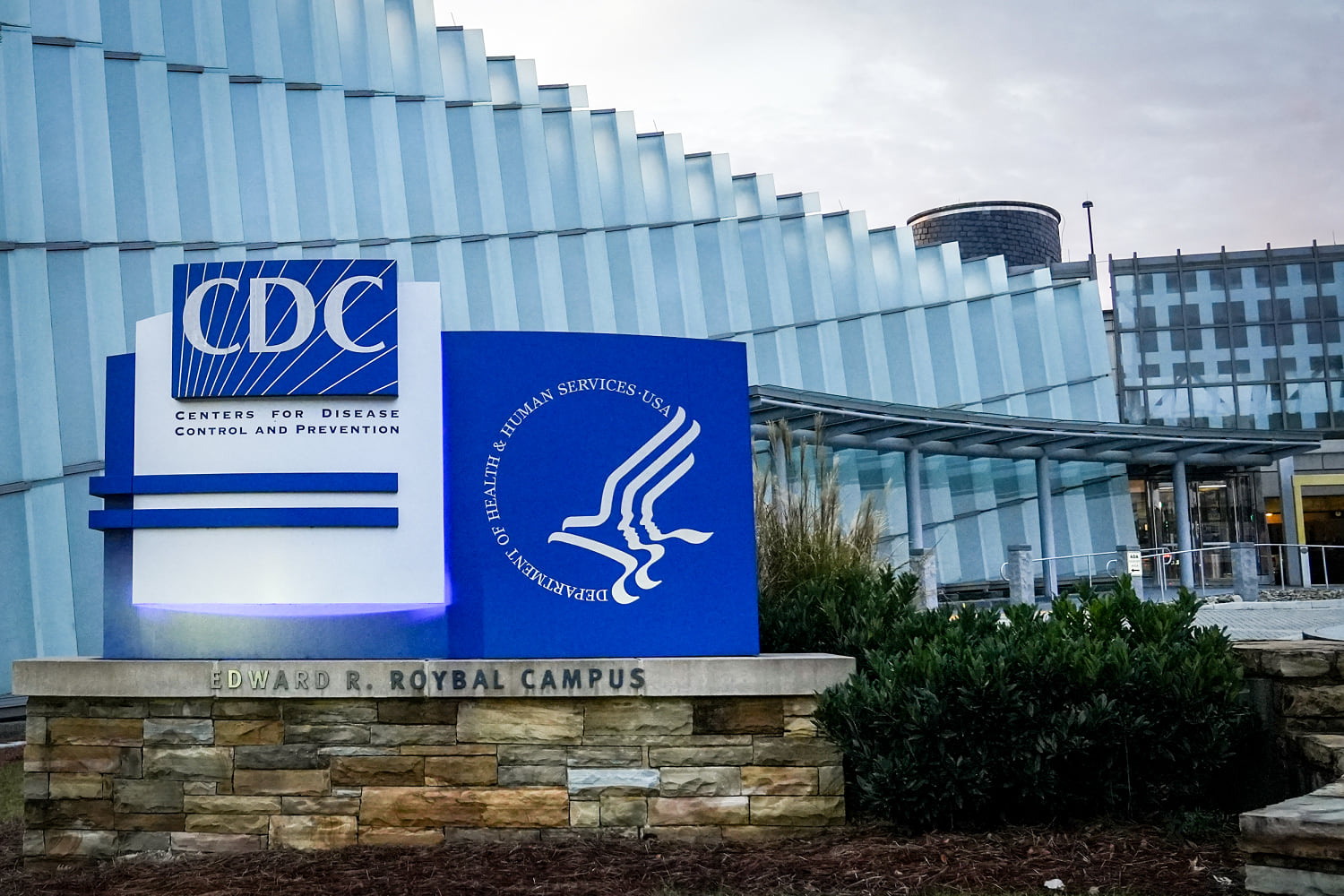
When Mississippi health officials began issuing urgent warnings following a series of tragic student deaths, they were trying to pierce through this exact fog of misinformed comfort. They were looking at toxicology screens that told a terrifying story of substances far more potent and unpredictable than anything found on a traditional Southeast Asian farm.
The Anatomy of an Invisible Trap
Consider what happens inside the human body when a concentrated botanical extract enters the bloodstream.
Kratom contains active compounds called mitragynine and 7-hydroxymitragynine. These molecules are botanical chameleons. When they reach the brain, they dock onto the exact same mu-opioid receptors that respond to prescription painkillers and illicit narcotics. They trigger euphoria. They numb physical pain. They quiet a racing, panicked mind.
For a young person dealing with undiagnosed anxiety or the grueling pressure to perform academically, that relief feels miraculous. It whispers a dangerous lie: You are finally okay.
But biology does not negotiate with marketing.
Unlike tightly regulated pharmaceuticals, where every milligram is strictly calibrated and tested for purity, commercial kratom products exist in a Wild West of manufacturing standards. One capsule might contain a mild dose of raw leaf powder. The next bottle off the assembly line might be spiked with potent extracts, heavy metals, or dangerous adulterants like synthetic opioids and prescription medications mixed in to boost the high.
There is no quality control department checking the lot numbers. There is no pharmacist standing behind the register to ask about contraindications or preexisting conditions.
When state epidemiologists trace the timeline of a young life cut short, the narrative is almost always heartbreakingly quiet. There is no dramatic alleyway scene, no illicit drug den. There is just a bedroom desk, a laptop glowing with open browser tabs for research papers, and a half-empty bottle sitting beside a glass of water.
The student thought they were just taking something to help them sleep. Or study. Or simply breathe easier for an hour.
The Cost of the Gray Market
Public health warnings do not emerge in a vacuum. They are written in the aftermath of empty chairs at dinner tables, sudden emergency room sirens, and frantic phone calls in the middle of the night.
When health departments in Mississippi and neighboring states flagged the spike in kratom-associated fatalities, they highlighted a grim statistic: a significant portion of these cases involved young adults who had no history of chronic drug abuse. These were honor roll students, athletes, artists, and dreamers who encountered a legal product with lethal blind spots.
The defense often argued by supplement manufacturers sounds reasonable at first glance: People have used this plant for generations without issue.
That argument collapses under the weight of scale and concentration. Drinking a weak leaf tea in a rural village in Borneo is chemically worlds apart from swallowing a concentrated liquid shot containing fifty times the alkaloid yield of the natural plant, washed down with alcohol or mixed with prescription anxiolytics.
It is the equivalent of comparing chewing a coca leaf to injecting pharmaceutical-grade cocaine. The plant ancestry is identical; the pharmacological reality is catastrophic.
Yet, because kratom occupies a regulatory gray area—neither fully approved as a safe food additive nor uniformly scheduled as a controlled substance across every jurisdiction—it remains dangerously accessible. Young people possess a natural invincibility shield, an evolutionary trait that makes them feel bulletproof. When something is sold legally in a brightly lit store next to chewing gum, that shield thickens.
If it were dangerous, they wouldn't sell it here, the internal logic goes.
That assumption is the trap.
Dismantling the Myth of Natural Safety
We have a cultural blind spot when it comes to the word "natural." Poison ivy is natural. Hemlock is natural. Death cap mushrooms are natural, possessing a subtle, pleasant taste before they systematically destroy human liver tissue.
Nature is not inherently benevolent; it is indifferent. Plants developed potent chemical defenses precisely to deter predators, insects, and herbivores from consuming them. Alkaloids like mitragynine are chemical weapons evolved by a tree to protect its foliage.
When humans harvest and ingest those defenses, we are playing chemistry with evolutionary designs we barely understand.
The tragedy unfolding among students and young adults is not just about a single botanical substance. It is a symptom of a larger, systemic vulnerability. We live in an era of hyper-acceleration, where the demands for cognitive performance, emotional resilience, and constant productivity outpace human biological limits.
When young people turn to the shelves for relief, they are searching for a bridge across an unmanageable chasm of stress. They are looking for a way to quiet the noise.
The market rushed in to fill that chasm with green powders and sleek bottles, capitalizing on desperation while hiding behind botanical romanticism.
The Turning Point
Every warning issued by public health officials, every toxicology report filed by a medical examiner, and every grieving family member speaking out at a town hall meeting represents a crack in the silence.
The conversation is shifting away from naive acceptance toward rigorous accountability. States are beginning to reevaluate classification laws, pushing for mandatory product testing, age restrictions, or outright bans on concentrated extracts that pose acute toxicity risks.
But legislative bans and warning labels alone cannot rewire a culture that teaches young people to self-medicate their stress with whatever is convenient, legal, and cheap.
True safety requires dismantling the isolation that drives individuals toward chemical shortcuts in the first place. It requires honest conversations in dorm rooms, high school classrooms, and kitchen tables about the hidden potency of modern substances. It demands that we look at the bottles on the counter not as harmless herbal tea, but as powerful pharmacological agents that demand respect, caution, and, in many cases, total avoidance.
The package arrived in the mail.
The foil pouch sat on the desk.
The human cost of underestimating that small green leaf is a ledger that no family should ever have to balance. The warnings are clear now, spelled out not in marketing copy, but in the stark, unyielding language of science and survival.
Listen to the warning before the silence takes over the room.