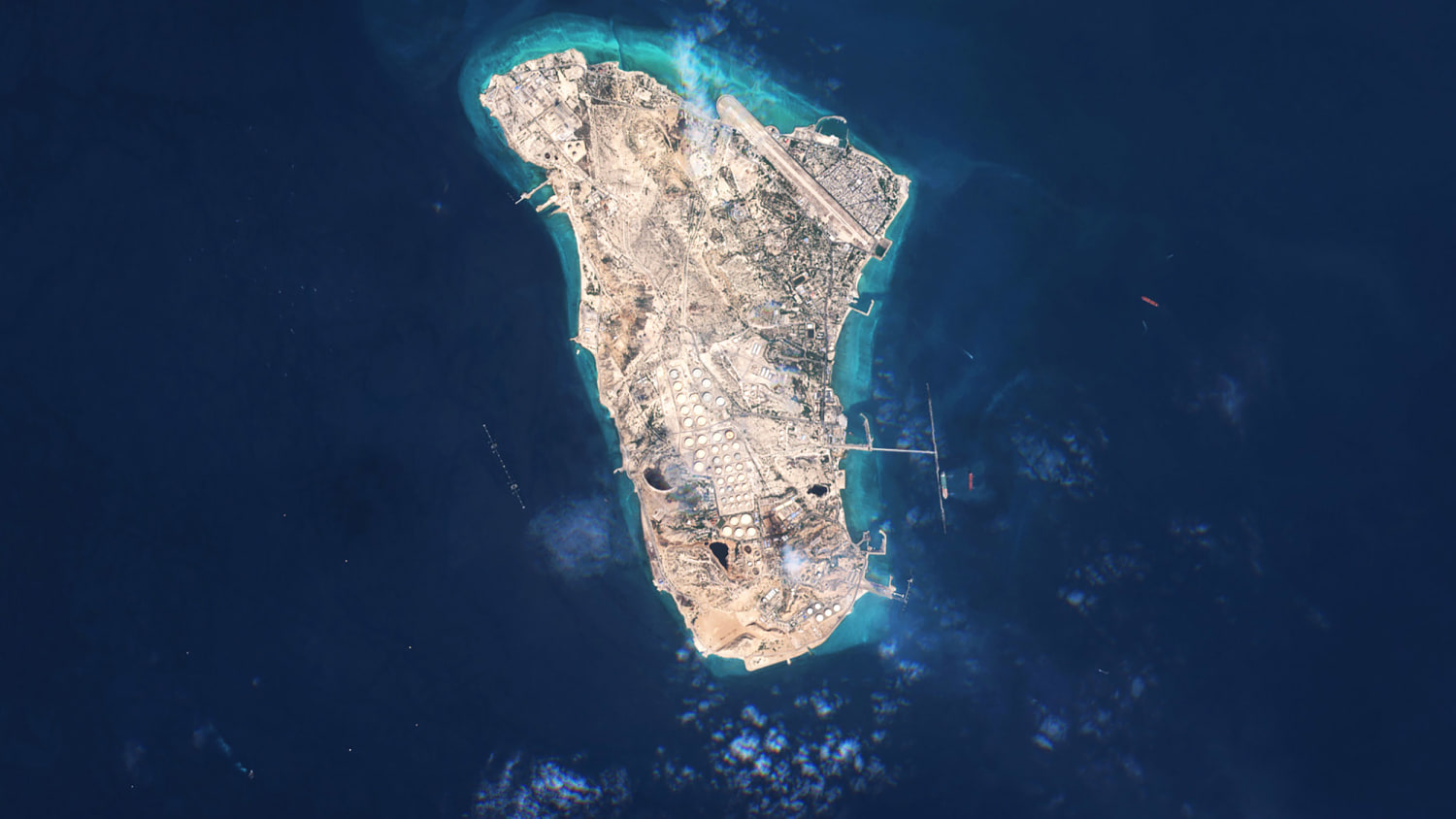
When the military starts taking out commercial tankers, the rules of engagement have officially shifted. The United States military confirmed it struck three Iranian oil tankers—identified by U.S. Central Command as the M/T Downy, M/T Stark 1, and M/T Kylo—following an unprovoked missile attack by Iran's Islamic Revolutionary Guard Corps targeting American warships.
If you think this is just another routine exchange in a stagnant regional dispute, look closer. This marks a sharp escalation in a conflict that has dragged on for months. Washington is no longer just playing defense. They're going straight for the financial jugular of Tehran's shadow shipping network.
The Anatomy of the Strike
Let's look at the operational details because they tell a very specific story. According to CENTCOM statements, an American aircraft carrier and a guided-missile destroyer successfully evaded multiple ballistic missiles fired by Iranian forces in regional waters.
Instead of absorbing the blow and filing diplomatic protests, the Pentagon retaliated hard.
- The M/T Downy was permanently disabled off the coast of Kharg Island.
- The M/T Stark 1 met a similar fate near the southern port town of Jask.
- The M/T Kylo, which was unladen at the time, was completely destroyed in the Gulf of Oman after crews were told to abandon ship.
CENTCOM commander Admiral Brad Cooper didn't mince words about the objective. The message was blunt: if you shoot at American assets, you will pay an exponentially higher economic cost. Tehran's limited and exposed oil fleet is now a primary target.
Economic Shockwaves and Market Realities
Why do these specific vessels matter so much? Because they are part of a multibillion-dollar shadow network designed to bypass international trade blocks and fund the IRGC alongside its regional proxy groups. Iran relies heavily on these maritime workarounds to keep cash flowing into a regime that has spent decades weathering sanctions.
When you squeeze that revenue stream, the effects ripple globally. Traffic through critical trade corridors like the Strait of Hormuz has slowed to a crawl. That bottleneck is already translating into surging fuel costs and record-high diesel prices domestically.
Higher energy prices create immediate political headaches and economic friction. Yet, political leadership in Washington has tried to shrug off the severity of the ongoing friction, with the White House famously referring to the broader theater as "small potatoes" just a day before these strikes occurred. Call it whatever you want in a press briefing, but targeting active oil carriers proves the kinetic reality on the ground is anything but minor.
Where This Leaves Regional Security
Diplomacy is effectively dead for the moment. Negotiations collapsed after months of stalled talks, leaving both sides convinced that brute force is the only language left to speak.
Iran's hard-line leadership is digging in, refusing to back down despite severe domestic economic pressure and thousands of casualties reported since the conflict ignited. Meanwhile, analysts note that targeting a U.S. aircraft carrier directly shows Tehran is willing to accept extreme risks it used to shy away from.
Expect tighter security escorts for commercial traffic, further disruptions to global energy markets, and a heightened state of readiness across all Middle Eastern outposts. The window for a cool-down period has closed. Keep a close eye on insurance rates for shipping in the Gulf, as maritime commerce is about to get much more expensive and hazardous.


